
The Curious Case of the Disappearing Dhabas



In this issue, FHM finds out where, and why have our favourite dhabas disappeared from our highways…
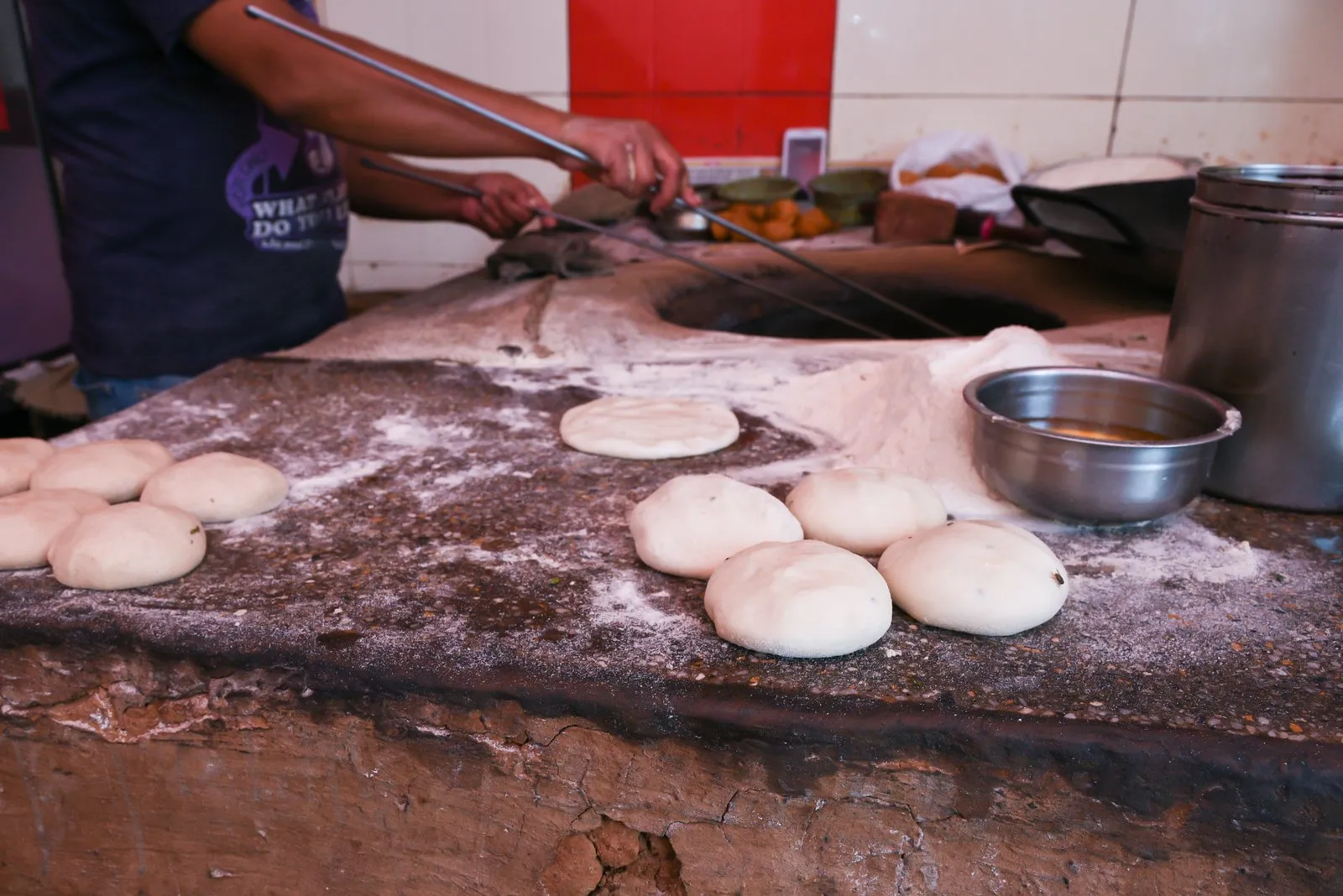
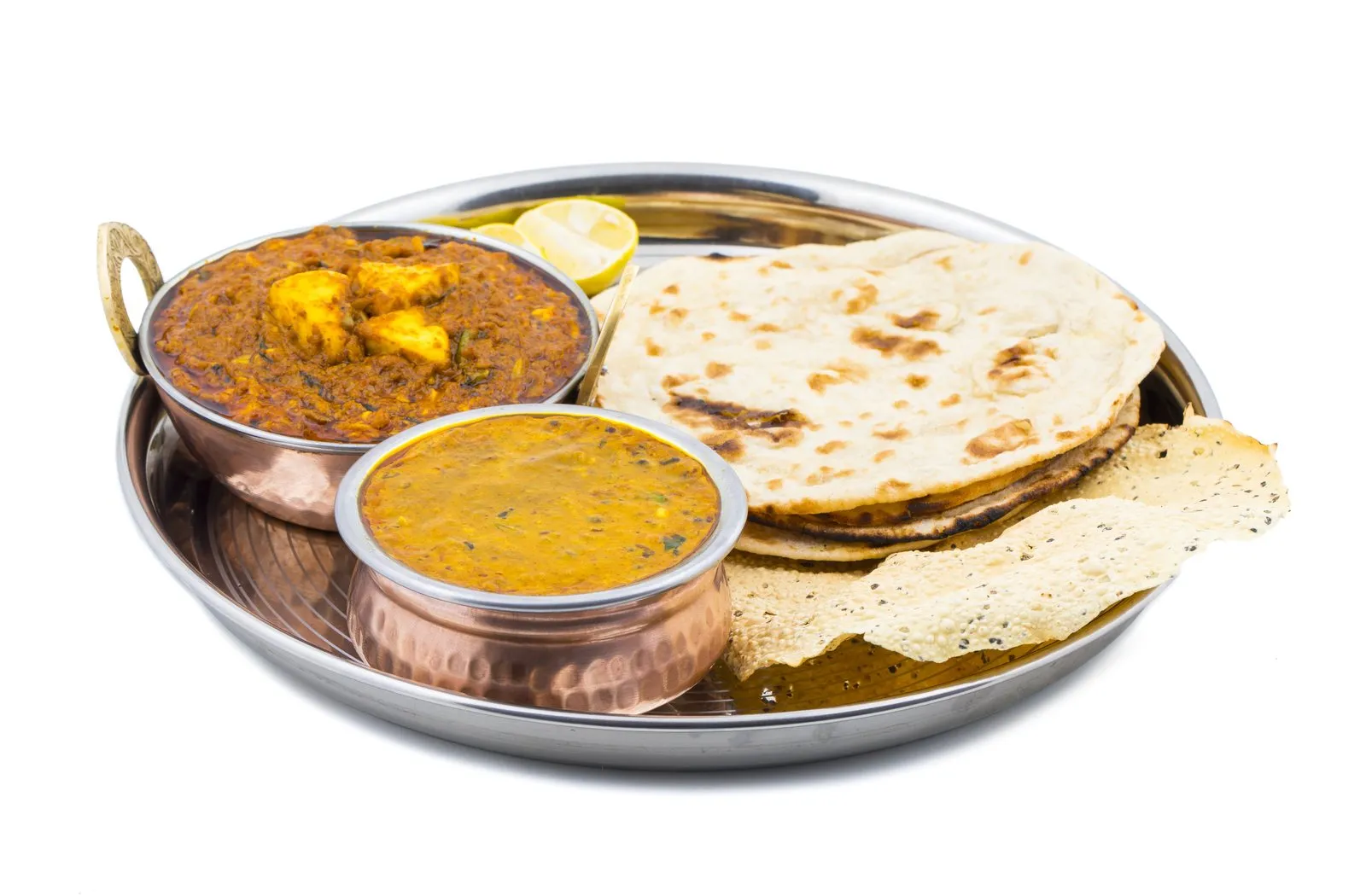
Sitting on a jute charpai, enjoying steaming bowls of daals, and hot rotis fresh out of the tandoor, titillating chicken tandoori, or paneer tikkas, loads of spices, ghee, onions and green chillies – for most avid and regular travellers, their earliest memories of eating while traveling would be some permutation of this, especially in North India. There are roadside eateries in the South as well, but for some reason, they refrained from co-opting the term “dhaba”. The picture painted above therefore will resonate only with a Northy Foodie. Travelling on any of the highways now though, makes this picture seem medieval and dated. Gone are the traditional dhabas; ask any Delhiite who is a regular at one of the many fabled dhabas of Murthal, and they can vow they have seen the establishments develop rapidly, and how so. From a time when there used to one pedestal fans in the open for 2-3 “tables” 7-10 years ago, today, most eateries have an elaborate, and fairly plush seating arrangement, with central air conditioning. What’s going on?

The curious case of the Disappearing Dhabas
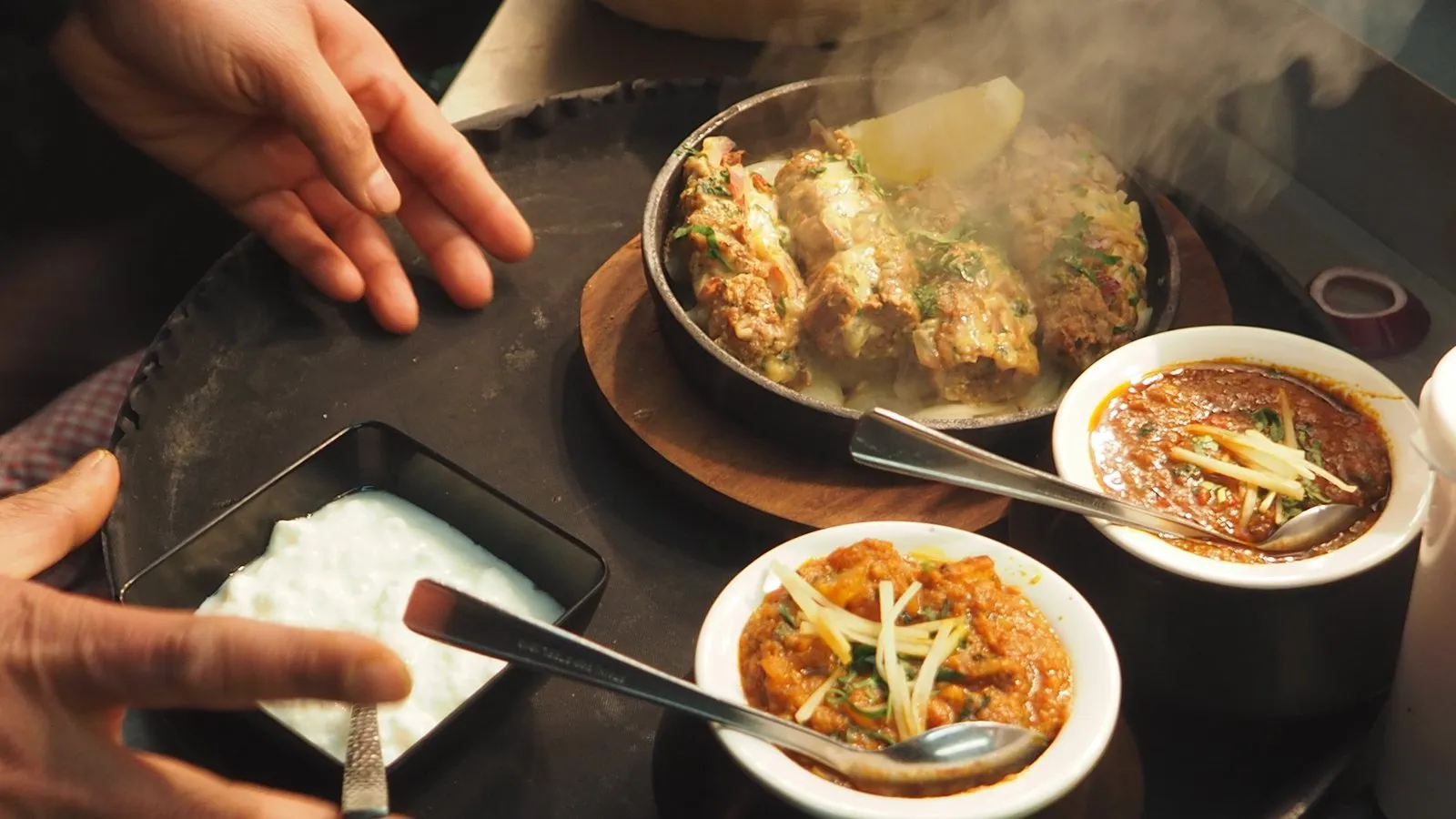
First of all, there are the issues that the customers face. With most of the crowd in traditional dhabas being truckers and their attendants, there is a perceived sense that these establishments are not safe for a family, or even for a man traveling alone at night. Abhishek Rathi, a marketing professional with a reputed kitchen appliance company, and an ardent traveller though, believes that if one is looking only for the food, then dhabas are the way to go. “Follow the trucks”, he says. “They (the dhabas) do not mess about with the them; if the food is not good, or causes some issues, the drivers make sure that the dhaba-wala gets a piece of their mind”. On the issue of safety, he says “I personally have never been bothered by this, even when traveling with my wife”. Hygiene though, has always been an issue. When travelling with the family, Rathi usually uses the restrooms at the petrol stations. “They are not super clean, but they are miles better than what dhabas have to offer”. “When it comes to the quality and the taste of the food, most of the times, these dhabas are the one place where authentic Indian cuisine can be found”, says Chef Bholanath Jha.
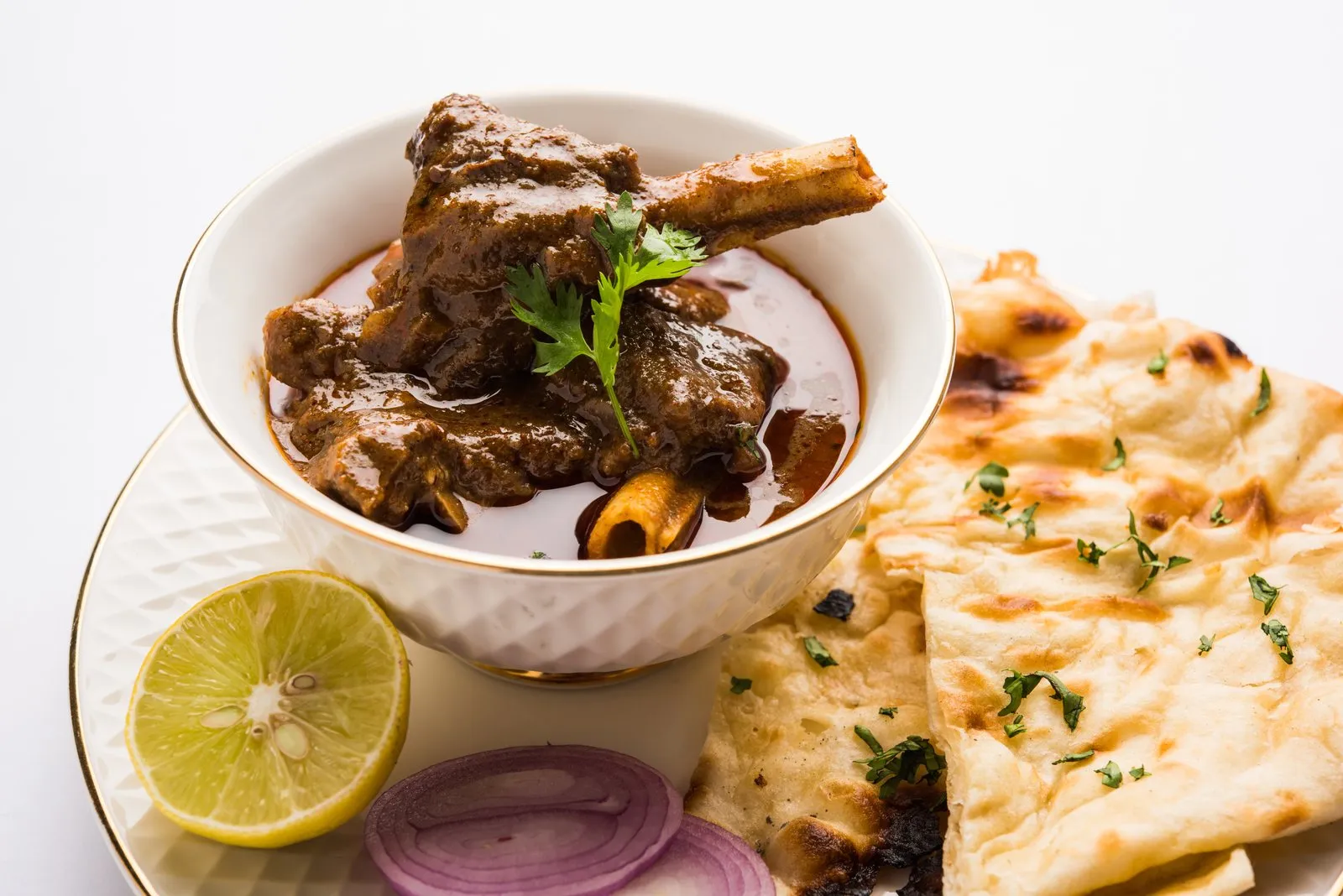
Most established dhabas (and even restaurants, for that matter), along the highway survive because of a certain niche, and niches are hard to find, and even harder to hold on to. Remember the washing machines lassis along NH 1? Once a craze that had the attention of all foodies, and all major electronics manufacturers, people rarely bat an eyelid for such a stunt nowadays. Then there are some dhabas that have a certain taste in their pickles, or chutneys, or parathas or dosas the size of a tire. “Whenever I am travelling to Lucknow, of course I try to eat in the city”, says Rathi. “But once in a while, I stop at a small place just outside Karhal, which does a mutton curry you cannot afford to miss”. It seems that the only reason why dhabas haven’t gone extinct yet, is the food.
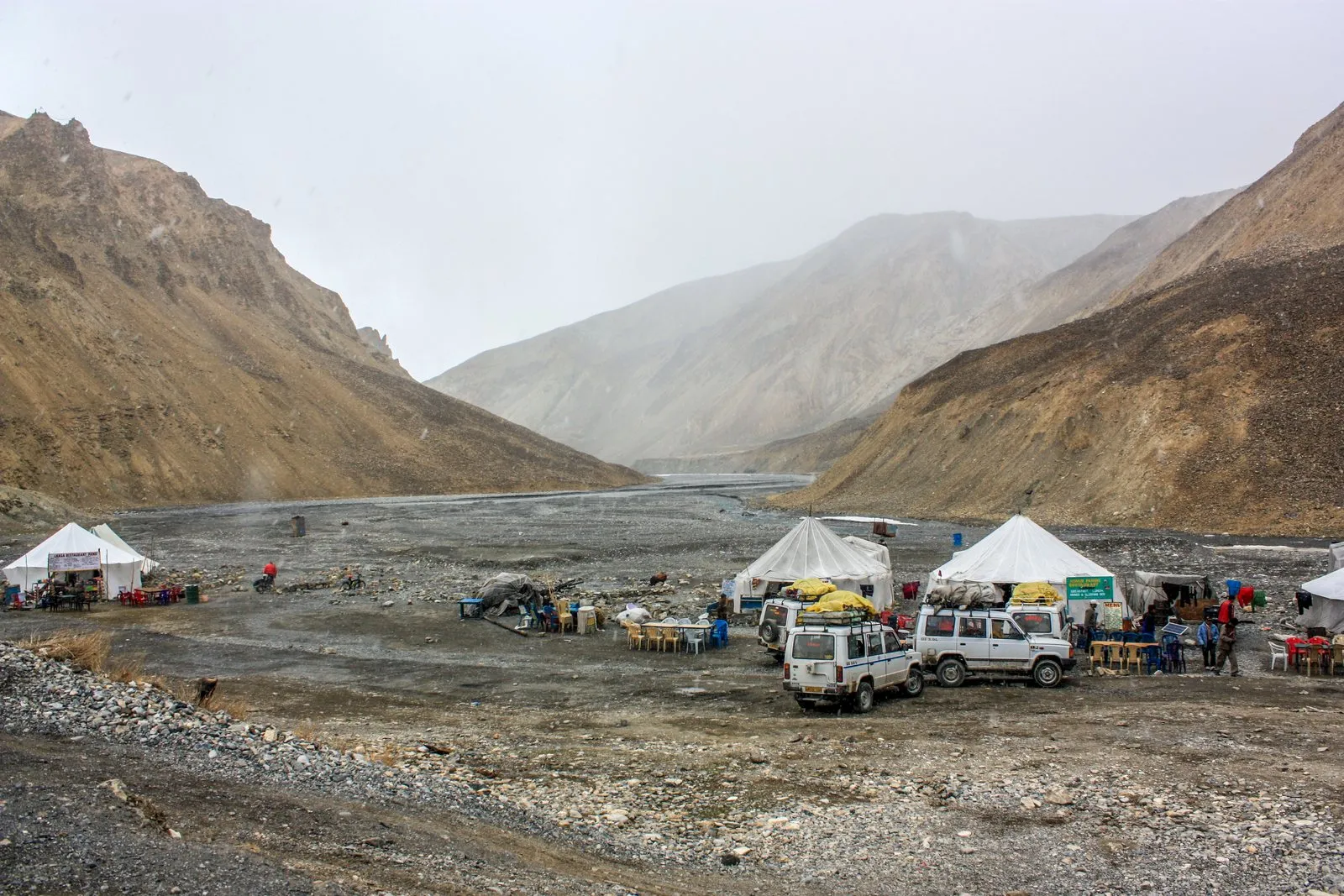
One factor that has led to the decline in the number of dhabas has been the rapid expansion and widening of the highways across India. This has led to refocused land usage regulations and allotments along the highways. In a report by the Institute of Indian Geographers on the legal status of food joints along the highways of Haryana, it was observed that not one dhaba had the required clearances or approvals from the officials to operate an eatery. It was also observed most eateries, dhabas or otherwise, had violated some norm or the other – disproportionate plot size, encroachments on government lands, minimum distance from the highway to serve alcohol, regulations on parking space etc.
The widening and betterment of the highways, also meant that cars would be travelling at a much higher speed – this translates into the fact that people don’t need to stop as often. Moreover, it also meant that at times, where proper lane regulations are implemented, drivers would often miss the smaller dhabas, and would drive 1 km ahead before stopping safely.
Old Dogs, New Tricks?
Most of the once popular dhabas have managed to revamp themselves as a major standalone restaurant, with the pomp and show that matches one that of a major chain. And Dharamveer Ahuja, a manager at a renowned “dhaba” in Murthal, believes that there is nothing wrong with that. “What’s wrong if we did away with the old, and have bettered our establishment? In spirit, it is still the same”, says Mr Ahuja.
This betterment however, has come at a great price. “What we have today is a culture that promotes contemporary Indian Cuisine which tastes the same all across the country”, says Chef Jha. “In such a case, it is the authenticity of the local cuisine, the real Indian cuisines, that is killed”, says the chef.
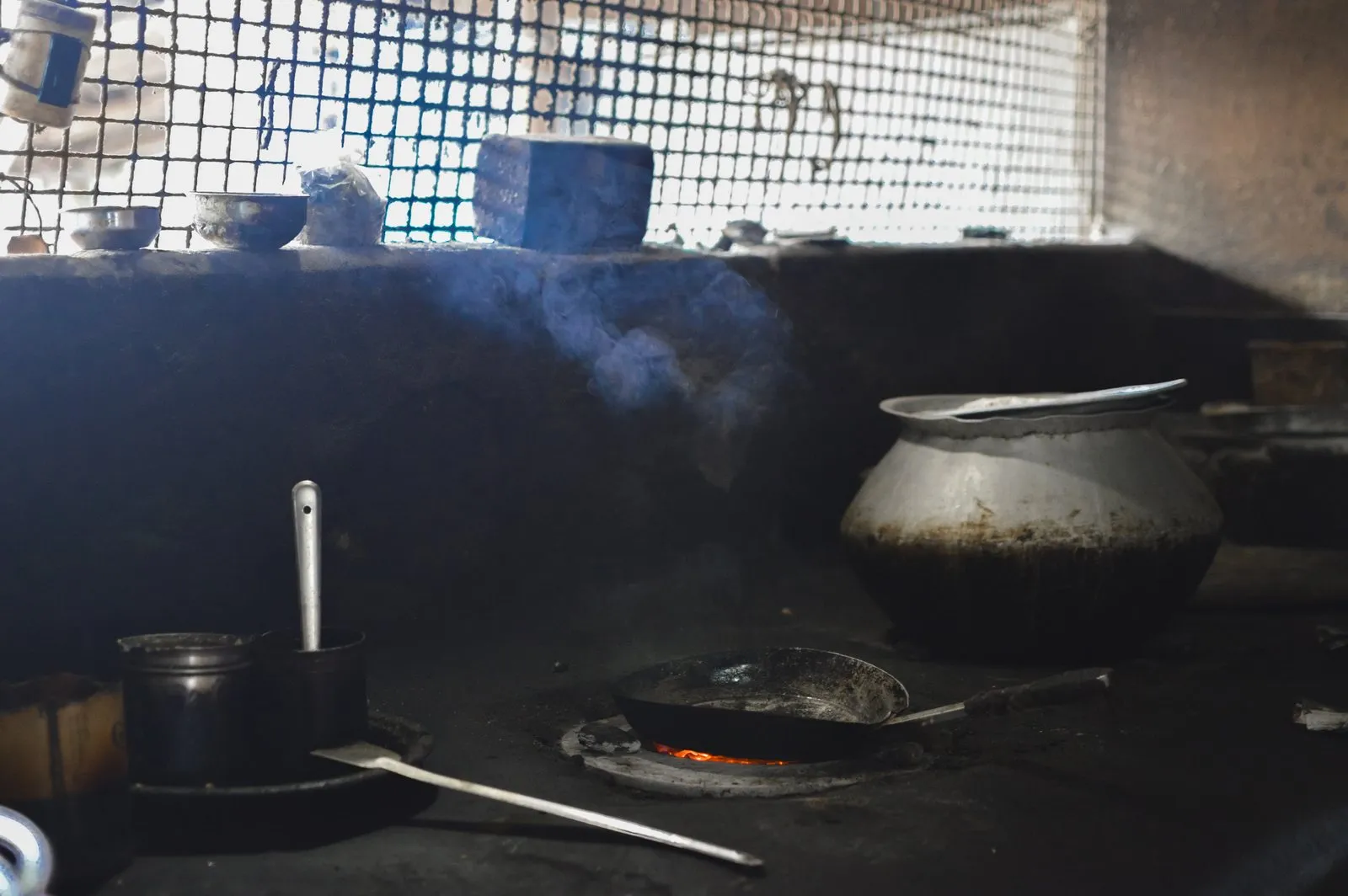
Moreover, one should be wary of such establishments, warns Chef Paras Bendi. “Most of these revamped ‘dhabas’ that are glitzy from the outside, have horrible kitchens. And because they are run on a shoestring budget, they don’t bother updating the basic necessities such as cooking oils, as frequently as they should”. Many people have had trouble with the quality of the food at such establishments. The reason becomes clear in a clip that was uploaded on YouTube, where authorities raided a well-known establishment and found serious health violations aplenty. When asked about this, Mr. Ahuja responded by saying, “Look at our numbers. During peak traveling seasons, there have been days where we have had about 3000-5000 people in one day. Do you think that would have been possible, if we really did all that? The cases that you speak of are just a few bad apples out of a bunch.”
The Way Forward
Chef Bendi recommends getting a membership with a reputable chain of hotels, such as Country Inn, or Clarks Inn, especially if your travel is regular and frequent. “The customer service and other benefits that most reputable chains offer simply cannot be beaten,” he says. The prices are competitive as well. “A dhaba or a decent highway restaurant will set you back by around ₹ 300-400 per head; a buffet, with healthy and hygienic food at any one of the reputed chains of hotels will be around ₹ 800-900 per head, plus discounts if you have a membership.” says Chef Bendi. Or, one can always try to eat at a restaurant from a reputed chain. “Chances are that each and every movement by the outlet is closely monitored by someone in Corporate. They are bound to have a highly regulated set of standard.”
Chef Jha, even though he agrees with Chef Bendi, is a little more optimistic for the dhabas, though. He says “Let’s keep our fingers crossed, and hope that the dhabas make a miraculous comeback”. For Chef Jha, and many of us, nothings beats the excitement of a good dal tadka, and a great mutton rogan josh, fresh out of India’s kitchen.
From the August-September 2018 issue of FHM India.
Spotted a mistake, or your photo used without permission? Report a correction











 in your inbox