
The guide to thinking like a world-conquering, goal-smashing success magnet
He’s masterminded three election victories, been a trusted advisor to Tony Blair and is matey with some of the most successful people in the world.
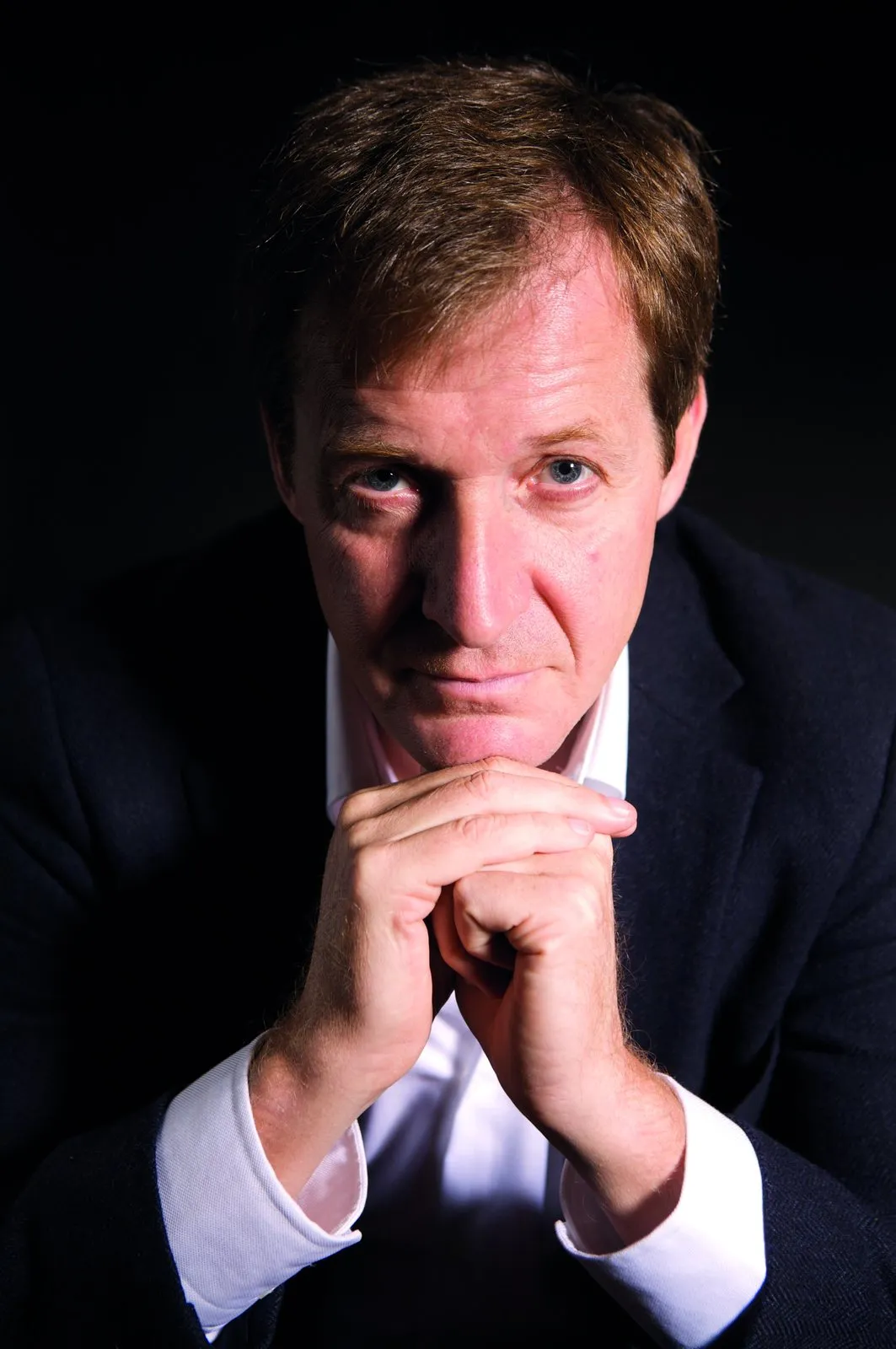



The two things I’m interested in are politics and sport. And if you look at them both, what unites them? Winning.
I probably don’t need to tell you I’m competitive about everything. This idea that it’s not about the winning has always struck me as ludicrous. It is about the winning. If you don’t win, you can’t do anything.

There’s a quote from athlete Haile Gebrselassie towards the end of my book, Winners And How They Succeed. He’s been a winner in sport, a successful businessman and he’s now going into politics, so if anyone knows about competing and achieving success it’s him. He said: “If you can’t win, what is the point?”
Richard Branson told me, “There’s no single recipe for success, but you can definitely see certain things that pop up again and again.” Look at Tiger Woods and Usain Bolt – both very different, both incredible winners. You look at Bolt, and think, this guy is chilled, this guy is relaxed. Woods, on the other hand, is totally focused and doesn’t let anybody inside his space. You can spot the differences, but look at the similarities: both of them hate losing.
These days I’m more sure than ever that there are certain principles that anyone who wants to win needs to know if they want to lead in their own environment.
Strategy
I’ve got this big thing about strategy. In my book I say that “strategy is God”. You can have all the talent in the world, but without a strategy that everyone from the top of the organisation to the bottom understands, your ambition will not be fulfilled. Whenever I’m working with people, political parties or businesses, I always suggest that they set the objective first and then do the strategy. Strategy is the hard bit. After the strategy, you work out the tactics.
So, in terms of fitness, if your objective is to lose 10kg, then your strategy would be to eat less and exercise more. The tactics might be a diet plan, using the stairs not the lift and recording your calorie intake.
Ben Ainslie, the most successful sailor in Olympic history, said to me that strategy to him was about working out what the current is going to do, what the wind is going to do, what your opponents are like, working all of that out ahead of time. Then, because you get out there and things might not go according to plan, you will have to adapt. To him, tactics is adaptation.
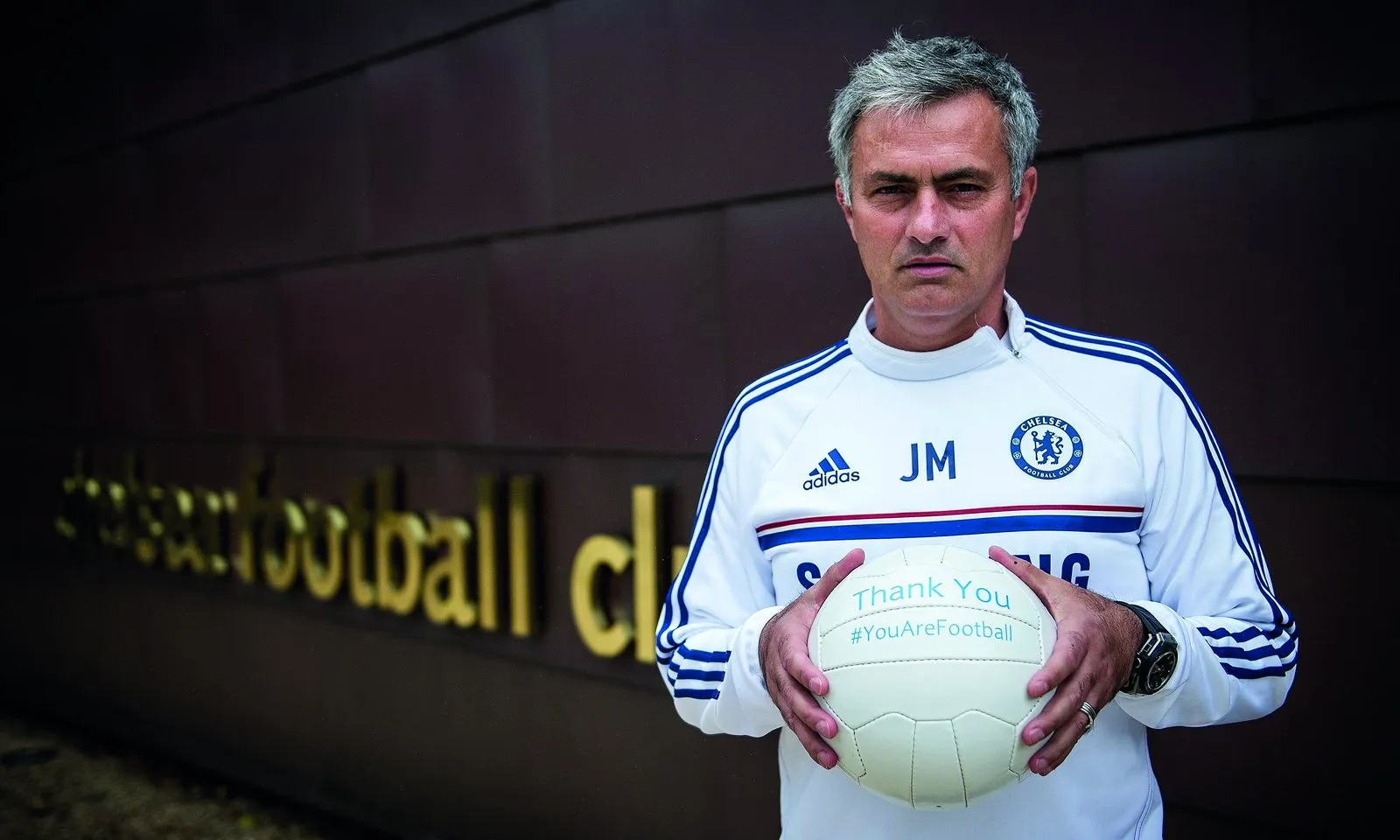
I spoke to José Mourinho about the difference between strategy and tactics. He said, “In my world there is no big difference between the two.” He said that for every game he builds a unique tactical model. Essentially that is his strategy. His strategy is always having tactical supremacy. He then said he only considers employing a ‘strategy’ if his original model isn’t working because the other team is doing better, or his team isn’t performing as he wants it to. Strategy, to him, is what you do if the tactics don’t work.
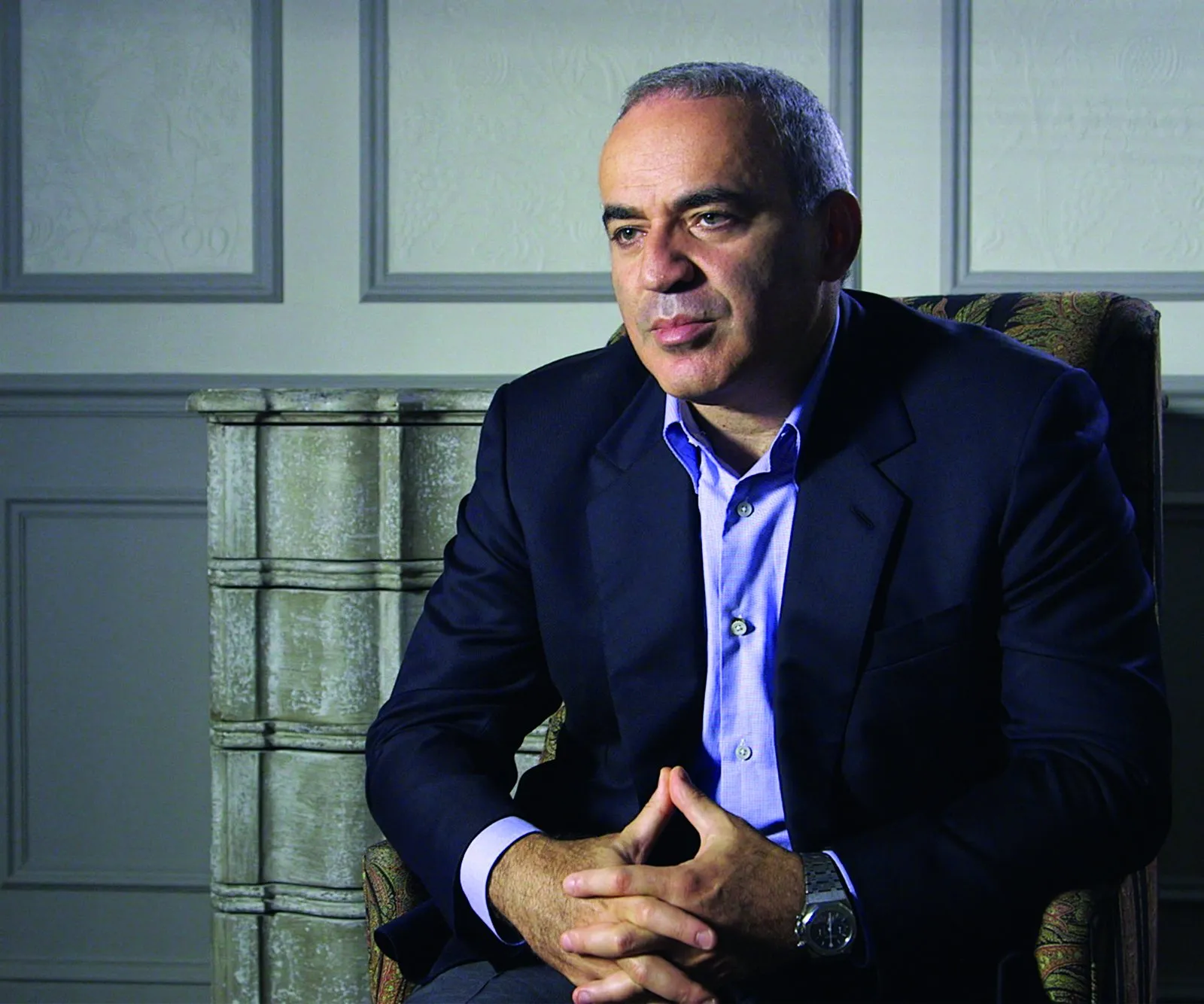
Garry Kasparov, a chess world champion at the age of 21, believes whole heartedly in adhering to a set strategy. He told me: “In chess, if you play without long-term goals your decisions will be purely reactive and you’ll be playing your opponent’s game, not your own.”
He also said: “Chess is an attempt to paint a masterpiece while someone tugs at your sleeve”, which I think might be one of the best things I have ever heard.
“Too many coaches teach technique when they should be teaching strategy” – Nine-time Wimbledon champion, Martina Navratilova
“If you keep changing your strategy it means you don’t have one” – Genius chess player and political agitator, Garry Kasparov

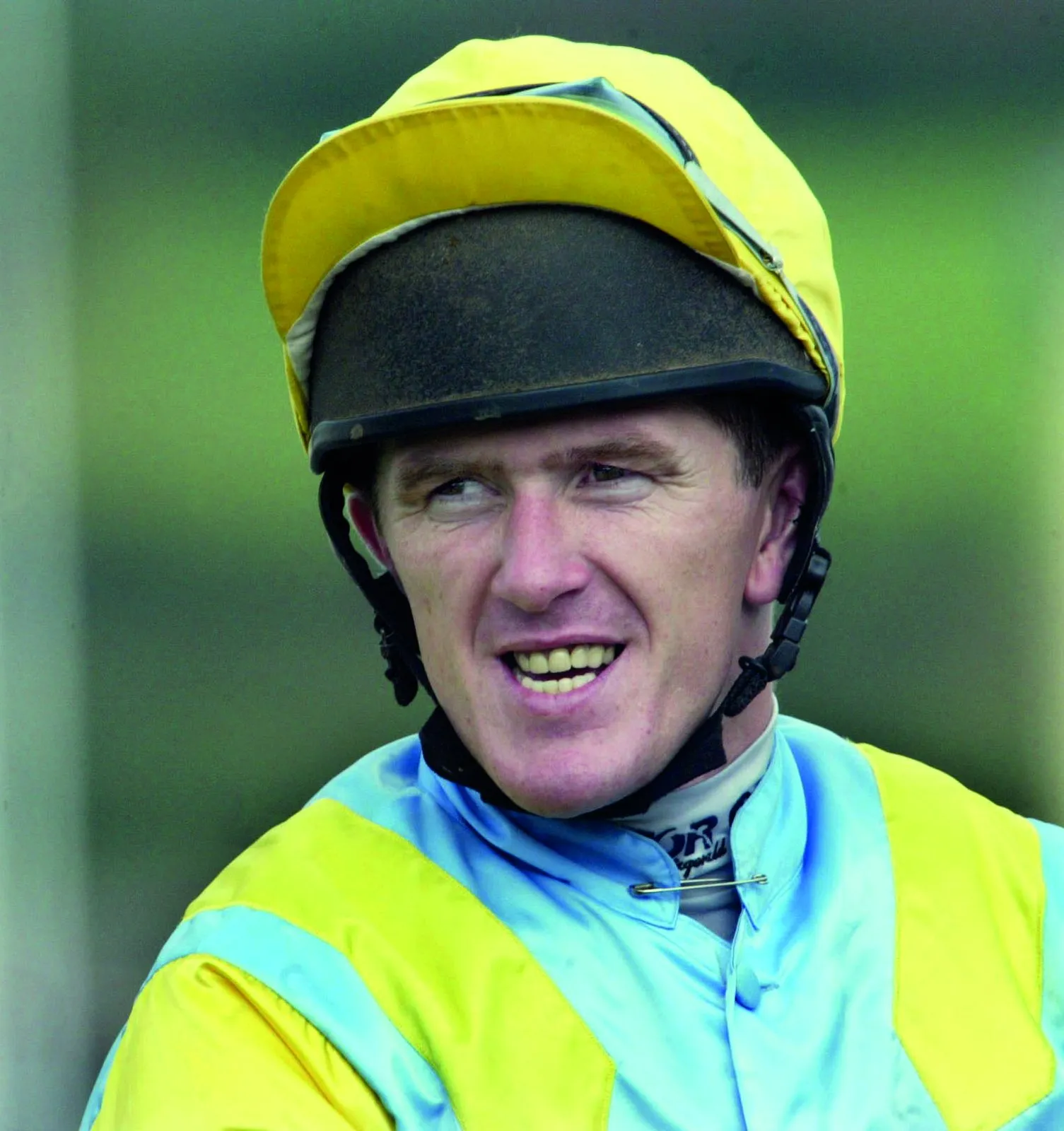
“You always get a buzz from winning. Winning is everything” – Record-breaking jockey and BBC Sports Personality of the Year, AP McCoy
Leadership
The opposite is true of someone like Rupert Murdoch, the executive chairman of News Corp. I do a thing at dinners where I ask people if they think Richard Branson has a good reputation or a bad one. They say good. Bill Gates? Good. But Murdoch? Bad. Think about that – he owns more print and airspace than anybody, but he’s lost control of his reputation. You contrast that with leaders who focus not just on what they’re doing, but also on their long-term reputation. I spoke to a guy called Joe Torre, a baseball legend both as a player and a coach. He’s all about values. He had a difficult childhood – his dad used to beat up his mom. He now runs safe houses for abused kids. With regard to leading his players, he said, “You have to earn their trust. You cannot take it for granted. If you earn their trust, you’ll get their commitment.”
Billionaire investor Warren Buffett is often seen as a leader with good values. He said, “You will have the habits 20 years from now that you put into practice today. So look at the behaviour you admire in others and make those your habits, and look at what you find reprehensible in others and decide those are the things you are not going to do.”
Anna Wintour, the editor-in-chief of US Vogue, was someone I wanted to talk to for the book, but I didn’t really know why. It was just a notion. It turned out to be one of the best interviews of the lot. She’s a leader. She told me: “Ideas are a dime a dozen; leadership is how you execute them.” She said she wouldn’t know how to organise a fashion shoot, wouldn’t know how to design a piece of clothing, she can’t do any of that stuff. But it doesn’t matter because what she can do is get people together. “I am always responding to other people’s talents. I am not the talent,” she said.
Bill Gates, too, has mentioned that all the best business decisions he ever made as a leader had nothing to do with technology, programming or finance. It was to do with picking the right people to work with.
I also think values are fundamental to being a good leader. Your values are what give you a compass. When the shit does start flying, your values are the rock you cling to.
Arsène Wenger said, “I would say a person who is a good leader is a person who has ideas and a vision of the world. To have a vision of the world, you have to have a philosophy of the world and values that are important for you.”
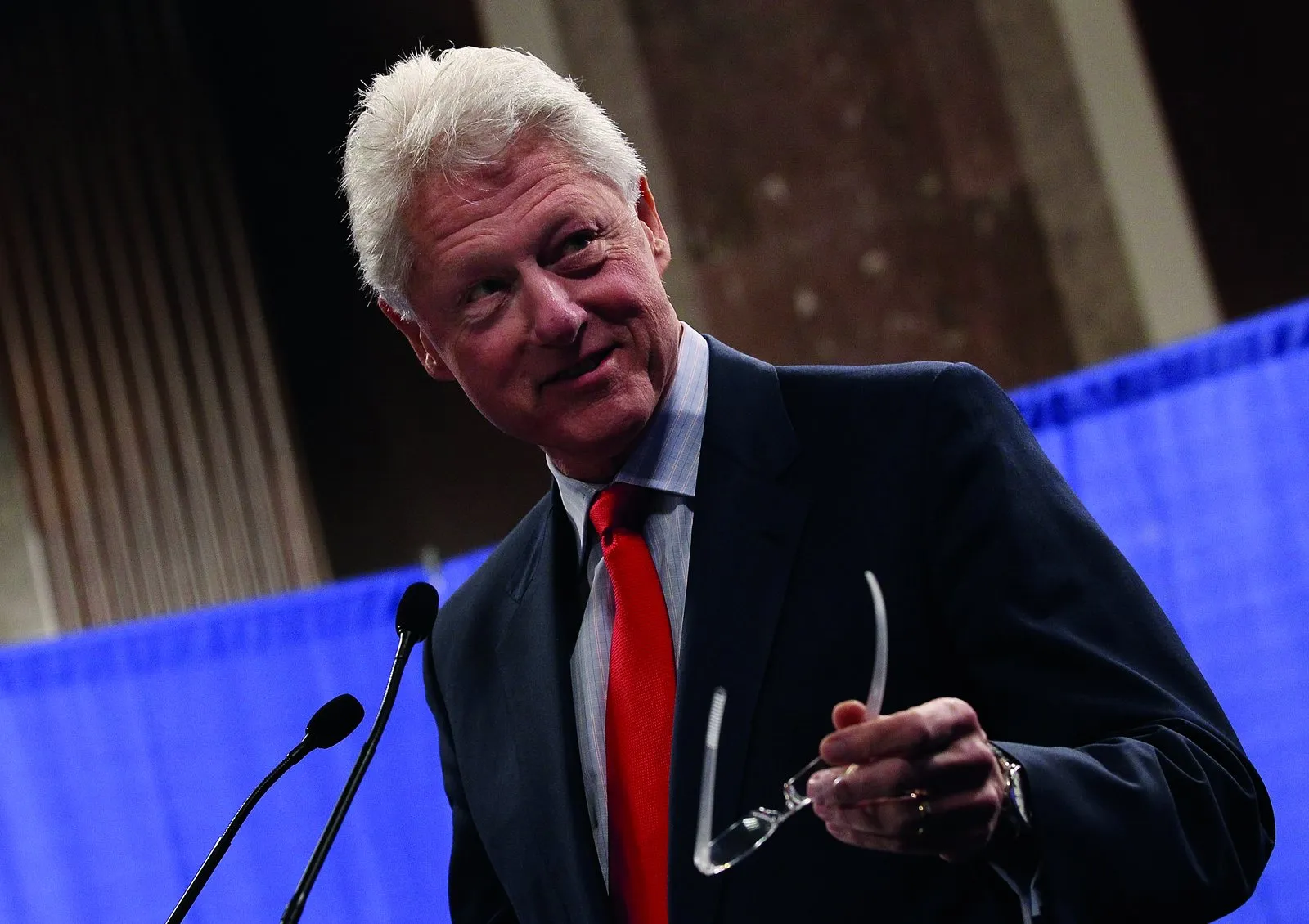
“If leaders do not stay focused… everyone else wanders off pretty quickly” – Ultra-charismatic, absurdly-popular US president, Bill Clinton
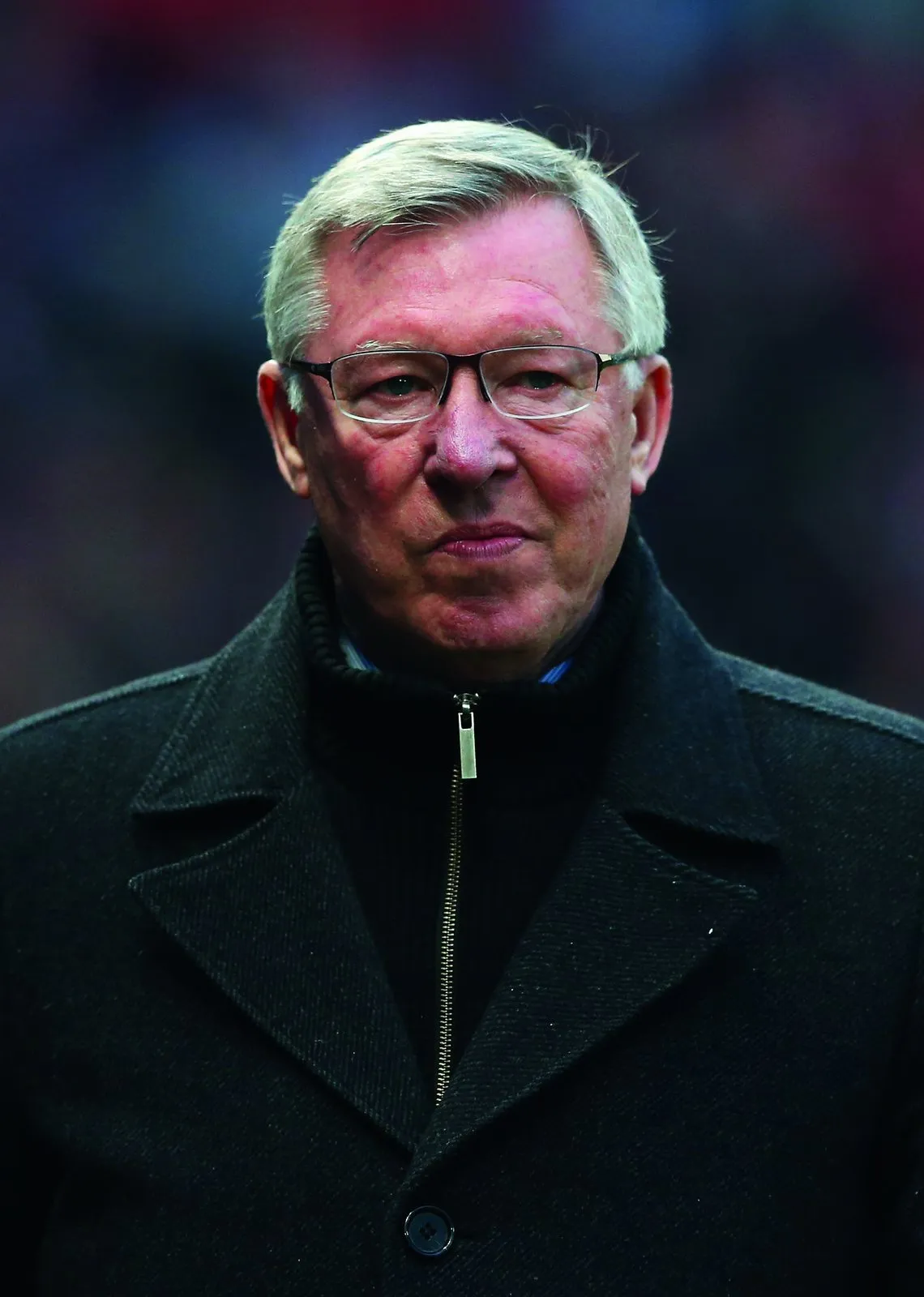
“You have to know when to go over the top to get a reaction and when to be calm” – All-conquering Manchester United boss Sir Alex Ferguson
Mindset
Once, at a charity football match at Old Trafford, Diego Maradona told me that part of the preparation for winning is the visualisation of winning (by the way, one of my life rules is to mention that I played with Maradona to someone every day). Visualisation’s not just simply ‘seeing yourself win’. It’s seeing yourself overcome the specific challenges and obstacles that stand in your way of winning.
Andy McCann is a really successful sports psychologist. He told me, “Visualising can have a powerful effect… the brain can’t really distinguish between a visualised experience and an actual experience.”
Andy works with Welsh rugby union player Leigh Halfpenny. On the morning of big games, he literally practises kicking, without a ball, in the hotel room. He goes through the exact same motions that he would for a real kick – almost an entire minute of mental preparation, stepping, breathing. In his head, it is for real. They don’t talk about his technique – just what’s going on in his mind.
Richard Branson told me that Virgin Airlines was entirely based on an image: “I visualised how good a flight could be, and I could feel how successful an airline dedicated to that kind of flying could be.”
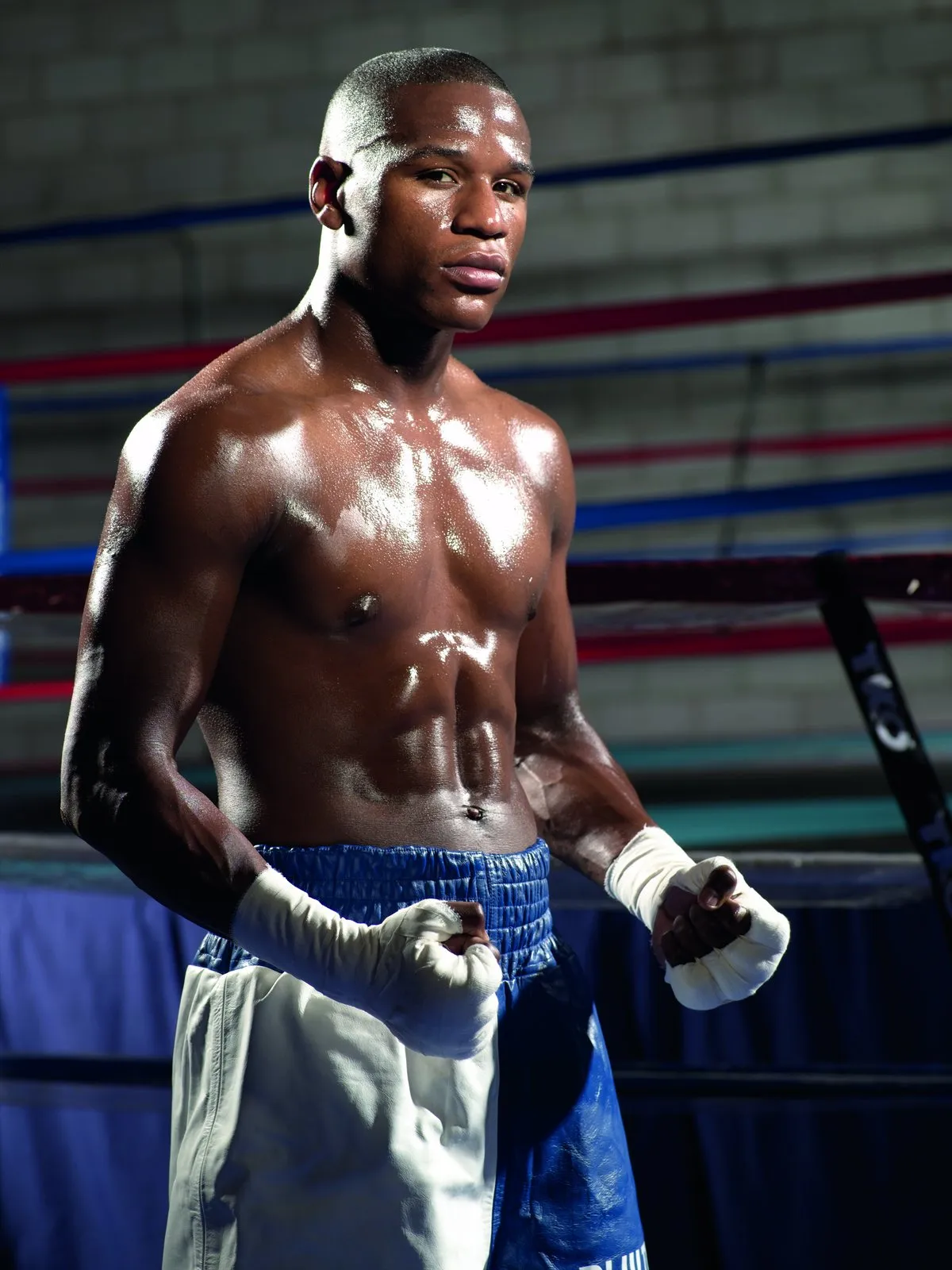
Floyd Mayweather is someone who’s taken the ‘winning mindset’ to the next level. He’s one of the highest-paid athletes in history and, unlike every sportsperson I’ve interviewed, has never known what it’s like to lose. He’s never lost a professional fight. He told me he never even contemplates the idea of losing. Everybody else talks about the fear of defeat being a bigger drive than the love of winning. Not him.
I experienced the power of visualisation myself when Tony Blair asked me to work for him in 1994. All my friends were against it. My parents were against it. So I took a long time to think it over. But three images kept popping into my head. In the first, I was still a journalist, in the press pen, and John Major was walking back into Number 10. In the second, I’m still a journalist but it’s Tony Blair walking in and I’m thinking, “I could have been part of that.” In the third, Tony’s walking in and I was walking behind him. That helped me make my mind up.
“We think in pictures way more than we think in words” – Legendary British golfer, Nick Faldo
“I am a positive person looking only for positive feedback. If you ain’t got that, you can’t be around me” – Undefeated, multi-millionaire boxer Floyd Mayweather
Innovation and boldness
People usually think innovations have to be these enormous game-changers. But most innovations – great innovations – are tiny. They make you wonder, “Why didn’t I ever think about that before?”
The main type of innovation people don’t usually appreciate is the type when you’re focusing on improving your own performances, exploiting your own weaknesses.
Dave Brailsford, the coach who’s helped British cycling reach previously unthinkable heights, innovated the idea of ‘marginal gains’. He told me, “Marginal gains means looking at all the things we do and never assuming we couldn’t do them better.” That’s probably also why Dave gets criticised by his staff for never celebrating after a win.
Ariana Huffington, who founded the first ‘internet newspaper’ The Huffington Post, put it this way: “Innovation is understanding that you are always a work in progress. It is about disrupting your own operations and looking at how they can improve.”
She’s right – part of innovation is about addressing your own weaknesses. Working in politics, I used to have what I called Reverse Pro Zone. We’d sit down every week and ask ourselves the question: if we were the opposition – the Tories – looking at us, and they knew about us what we knew, how would we exploit those weaknesses?
That doesn’t come naturally to most people or organisations because we usually want to focus only on the things that are going well for us.
Barack Obama – or at least his staff – will always be known as an innovator. David Axelrod, the President’s campaign manager, said: “The thing about conventional wisdom is that it’s almost always wrong.” That’s why, when Obama was running for president, he had no problem being the only candidate that wanted digital campaigning to be an intrinsic part of what he was doing. His opponent for the Democratic nomination, Hillary Clinton, on the other hand, “had a traditional structure, with digital ‘sort of over there somewhere’”.
Who knows whether Obama was a particularly digital person himself. Tony Blair didn’t even have a mobile phone until he left office (and my computer skills were non-existent before I left Downing Street).
“It’s only by being bold that you get anywhere” – Virgin boss and entrepreneur Sir Richard Branson
“If you stand still, you get left behind” – Multiple-title winning football manager José Mourinho
Resilience and crisis management
Looking back at my time in politics, the first thing I learned is that a crisis is usually not a crisis. It’s a problem. The tipping point is when the problem reaches that moment where it needs your total focus, and if you don’t make the right decisions you’re going to be blown away.
Once you are into a crisis, it doesn’t matter whose fault it is. You have to say, “I’m taking responsibility, I’m going to sort it out and here’s how.”
The launch of Heathrow Airport’s Terminal 5 is a great case in point. The whole thing was a fiasco, caused by one computer glitch. No one could find out what it was. No one knew whose fault it was. But Willie Walsh, the British Airways CEO at the time, came out and essentially said, “It doesn’t matter whose fault it is. I’m taking responsibility. I’m going to sort it and here’s how.”
I reckon in my time in politics we had only five full-blown crises: the Iraq War, Kosovo, 9/11, foot and mouth disease and the fuel protests. I interviewed Bill Clinton about the Monica Lewinsky crisis. That could have overwhelmed him, but it just made him stronger. It goes back to what I was saying about strategy. He said, “My objective was survival, my strategy was to keep on doing my job, and my tactic was to make sure the American people knew I was doing my job. Focus on what you’re meant to be doing. Let everybody else talk about the other stuff.”
Someone who represents an enduring British winner, who understands the benefits of resilience, is the Queen. And I say that as a lifelong republican.
Before Diana’s death, the Royal Family were seen as a soap opera rather than an institution of value to the country. But they changed things. TV became important, then social media. Now you’ll see photos of The Queen on Facebook, walking the corridors in a head-scarf. Everything around her has changed, but she remains the same.
As to the conclusions I’ve reached in speaking to so many winners in different fields: business has a lot to learn from elite sport; and politics could do with learning from both.
Alistair Campbell’s book, Winners And How They Succeed (₹1707, Amazon.in), is out now
“I’ve failed over and over and over again in my life. And that is why I succeed” – The greatest basketball player of all time, Michael Jordan
“Even if you aren’t sure of yourself, pretend that you are. It makes it clearer for everyone else” – Powerhouse editor of Vogue magazine Anna Wintour
From the May 2015 issue of FHM India.
Spotted a mistake, or your photo used without permission? Report a correction











 in your inbox