
The Men Behind The Music
Meet the men who run the independent music scene from behind the scenes – the people who distil the madness and energy of live shows, edgy bands and festivals.
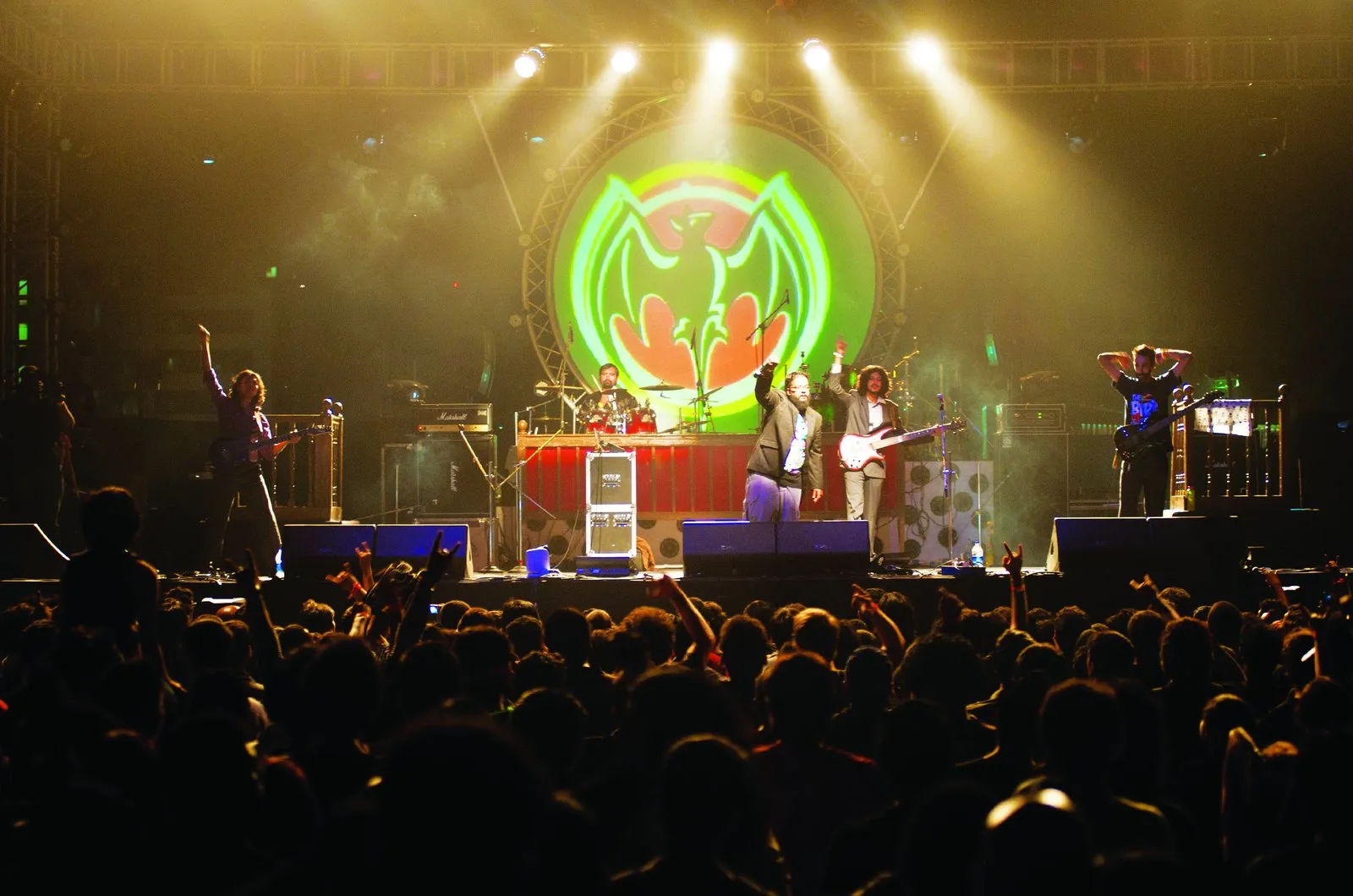



So you’ve bobbed your head at that gig in your favourite bar. Maybe you even attended a festival and were initiated into the indie music fold. And of course, you are following that new rock band on Twitter. But do you know the people behind the music? The men who make the artists, the concerts, and the festivals tick. Well, here they are and they are currently reviewing applications from wannabe groupies.
Vincent Samuel – Production Manager
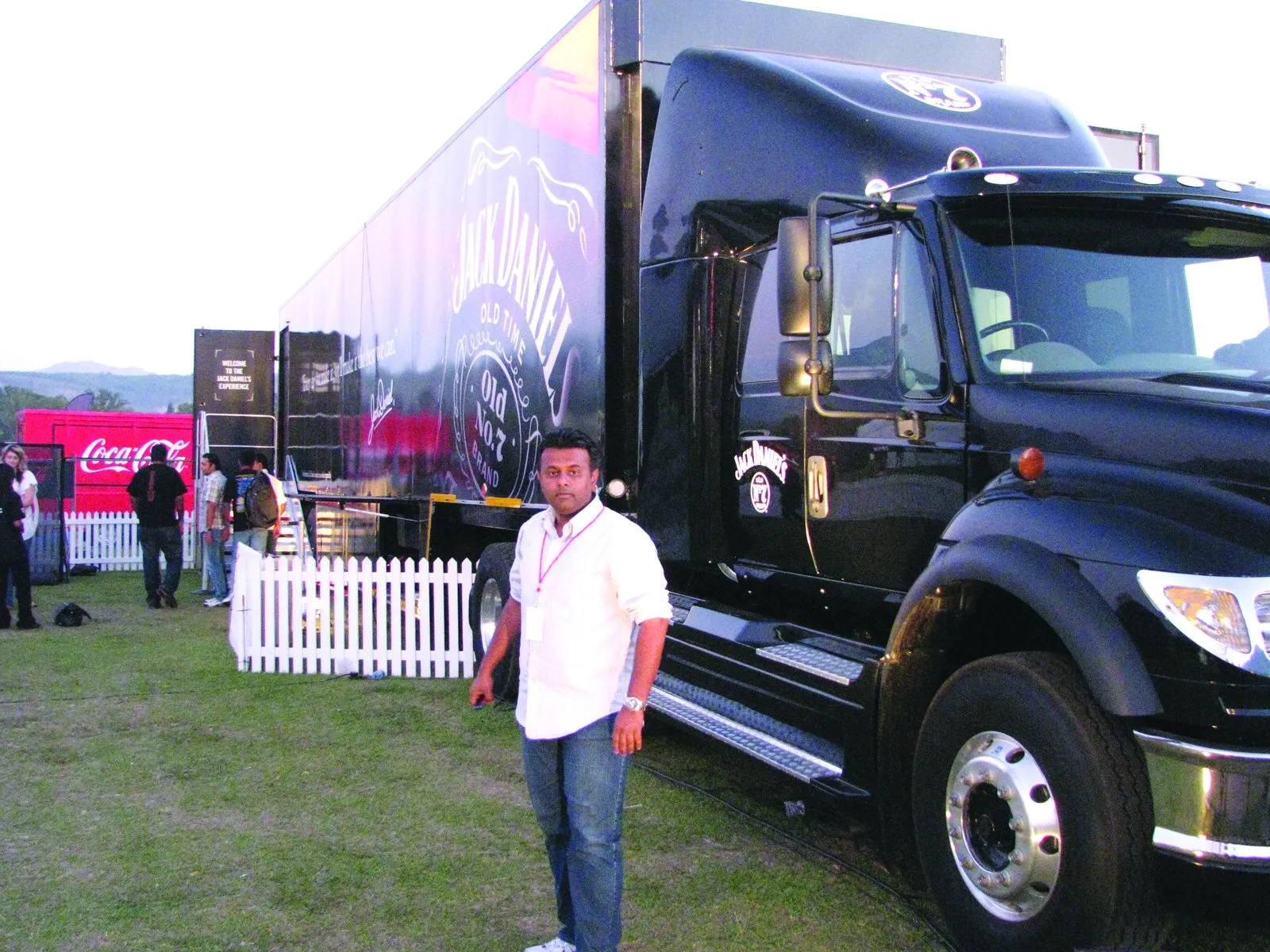
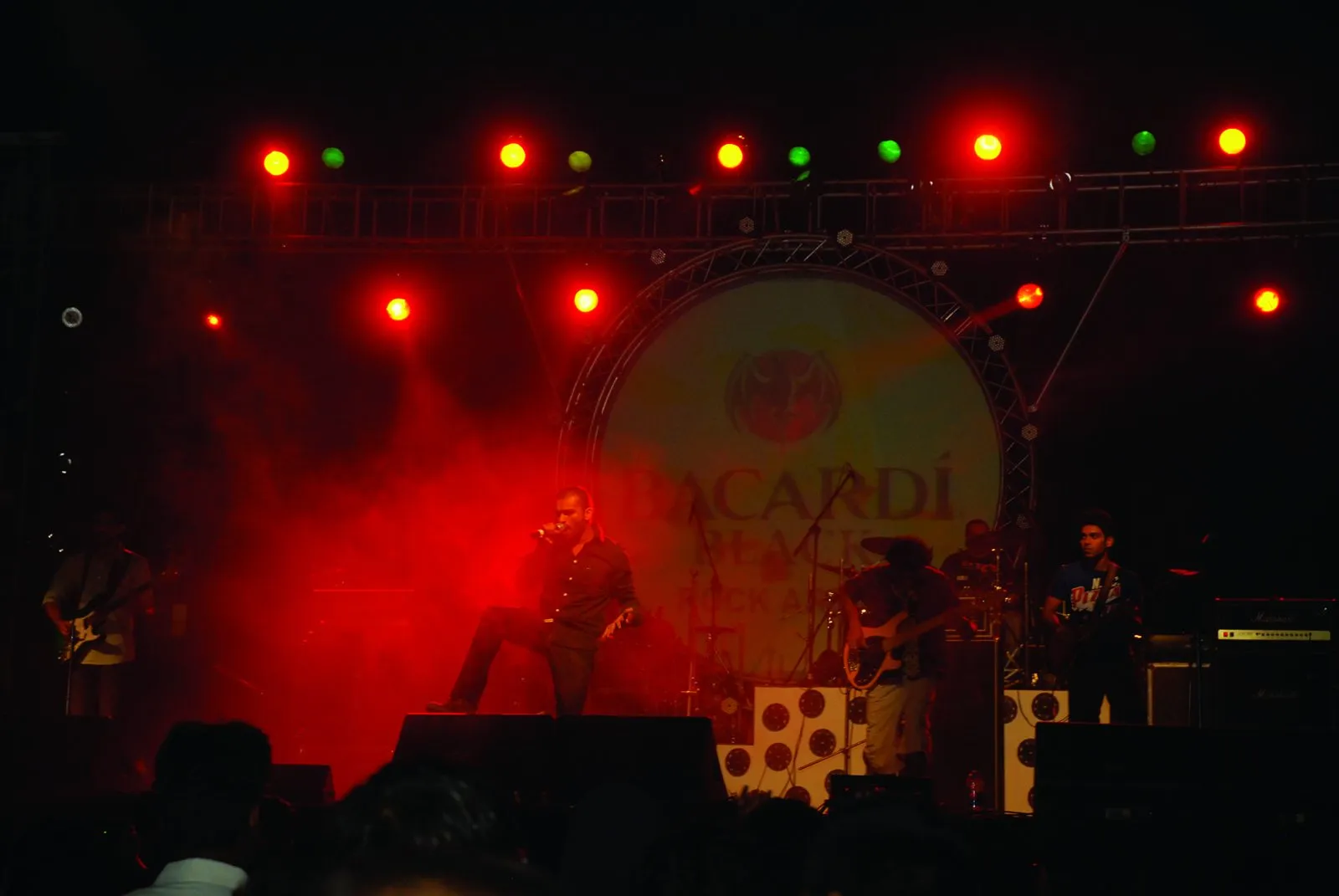
He isn’t known as ‘Vince The Man’ for nothing. Currently India’s best production manager, Vince has been engineering events since 1996. With 150 mammoth events under his belt, he has set stage for everyone from Iron Maiden to Rolling Stones, and Deep Purple to The Prodigy while also being in-charge of the country’s biggest music festival – The 3-day Bacardi NH7 Weekender.

Q1. What is it that you do exactly?
Ans. In the simplest terms possible – I execute ideas. You have an idea for an event, however grand and inconceivable it might be, I will create it. As a production manager, one needs to be a jack-of-all-trades and a master of coordination. My expertise lies in live event productions, large-scale concerts and festivals.
Q2. So you are in-charge of the entire setup at an event?
Ans. Pretty much – from the stage to the artist green room and even stalls. I have an unmatched team that makes it all possible along with some of the best and quickest vendors, and efficient technical team.
Q3. Woah! How did you get into the business?
Ans. I joined DNA Networks in 1996 as a Production Executive. And from then till about 2010, I worked my way up to Production Director and handled the biggest live music concerts across India. Now I work with my own team of people.
Q4. Your relationship with music must be a special one then?
Ans. Yes. I work on sporting and other events as well including the IPL and the ICC Champions League, but my passion lies in music because to bring great artists on to a stage worthy of their talent and seeing the joy and appreciation from their fans makes it worthwhile.
Q5. So is there something that you consider as your biggest achievement?
Ans. Many actually. Not one event per say, but in terms of event discipline and setup, I’ve created new timelines in production execution and deliverables. And that has set an industry benchmark.
Q6. With such a large scope of work, there must be bad days at the job?
Ans. Plenty! You can’t imagine the chaos that goes into making all this possible. The worst thing that can happen to a Production Manager is when his suppliers don’t deliver equipment at the right time and that happens a LOT, but we account for delays as well.

Q7. Did you have any professional training for this job?
Ans. I was fortunate because I started live event production when the event management industry was booming. So every event was a new learning and you evolved along the way. My training was on the job. Every year I was sent to various countries to work alongside the best in the field.
Q8. Things must go wrong all the time at an event… How do you manage?
Ans. Well, the weather is a factor that affects every outdoor and/or large production. We can’t control it, so a Production Manager must be hands-on and be prepared for anything. Since safety is our top priority, before planning any setup, one must take weather conditions into consideration. I love doing this because it helps me plan better, take precautions and have backups ready well in time. I follow a simple principle – On time production is delayed execution, but before time execution is perfect production.
Q9. Wrapping up with music then, what’s the one song that describes you?
Ans. Human by The Killers
Anupam Roy – Music Producer / Sound Engineer
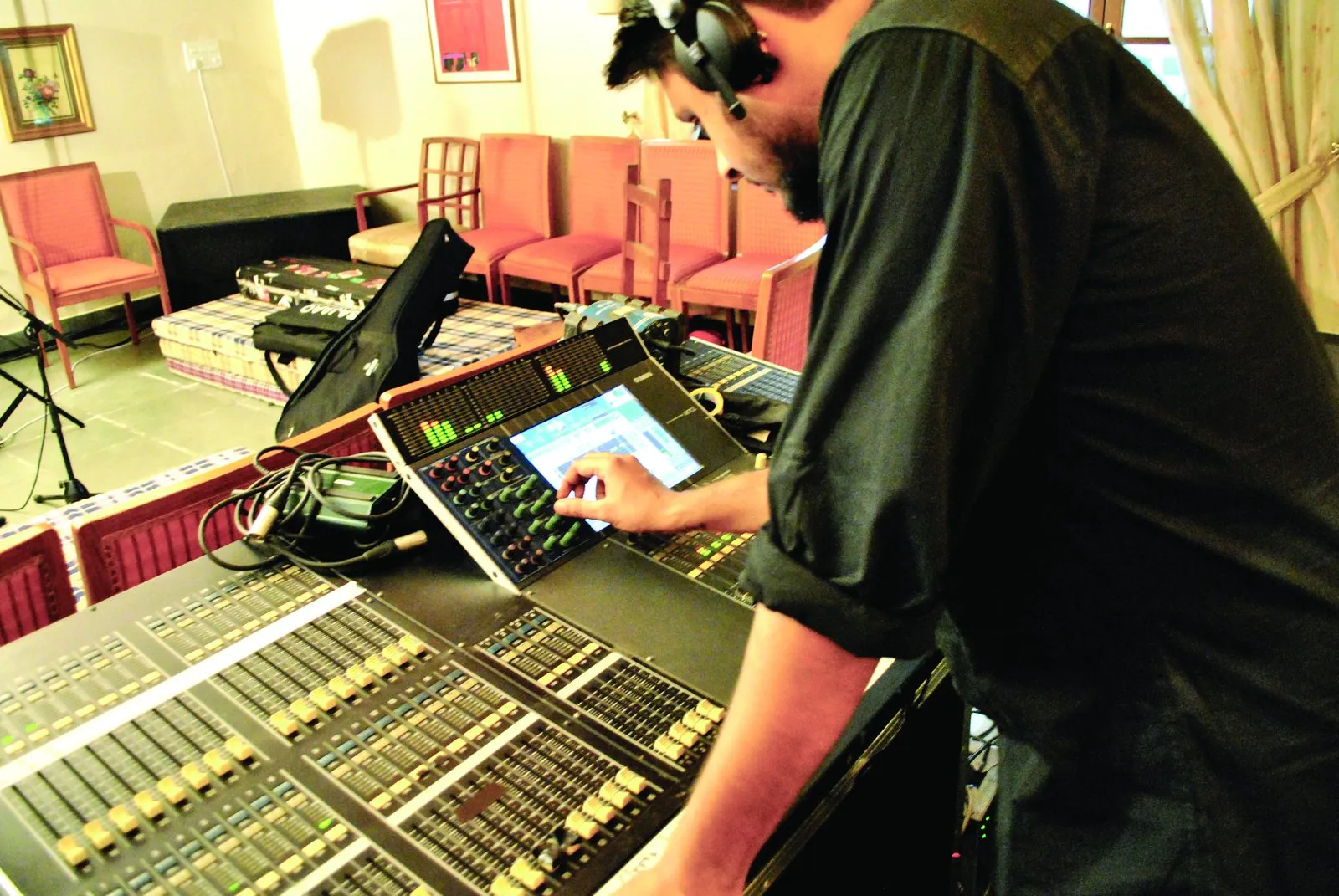
When he’s not strumming the guitar or picking up awards as ‘Producer of the Year’, Anupam is running soundchecks, manning the console, and controlling how every riff and scream on the mic sounds. As a bona fide metalhead, he’s also helped cut albums and re-master tracks that define the genre. Recently, you might have heard his work on the composition Retro Pop Shit in the stellar soundtrack of Shaitan.
Q1. A musician, a music producer and a sound engineer – how does all that fit on a business card?
Ans. Hah! Well, the first tag aside, I’m the filter between the musician and the listener. In the live space, it’s my job to make sure bands sound good using whatever tools and technology available. I have to make sure that both the band and the audience have a great aural experience.
In the studio, I produce, mix and record – the band comes in with a song and I tighten it up, cajole the best performance out of them, use a bag of tricks to make it sound great and sometimes even sit in on the song writing process. The studio is very dynamic and I have to basically make an album sound and feel like a cracker.
Q2. So how did you go from playing on stage to behind the stage?
Ans. I used to have a solo project that’s now defunct, but I met a lot of musicians through that, mostly upcoming metal bands. At that time, metal bands were treated like the stepchildren of the independent music scene. I thought a difference needed to be made in how these bands sounded, so I offered to help. They were friends, so it was more out of enthusiasm than anything else. I was young, cocky, and thought I knew everything. Eventually, other people took notice and asked me to work with them. Before I knew it, I had a full time career that was fun and frustrating, but I knew it was definitely what I wanted to do.
Q3. Interesting… So does your relationship with music define what you do now?
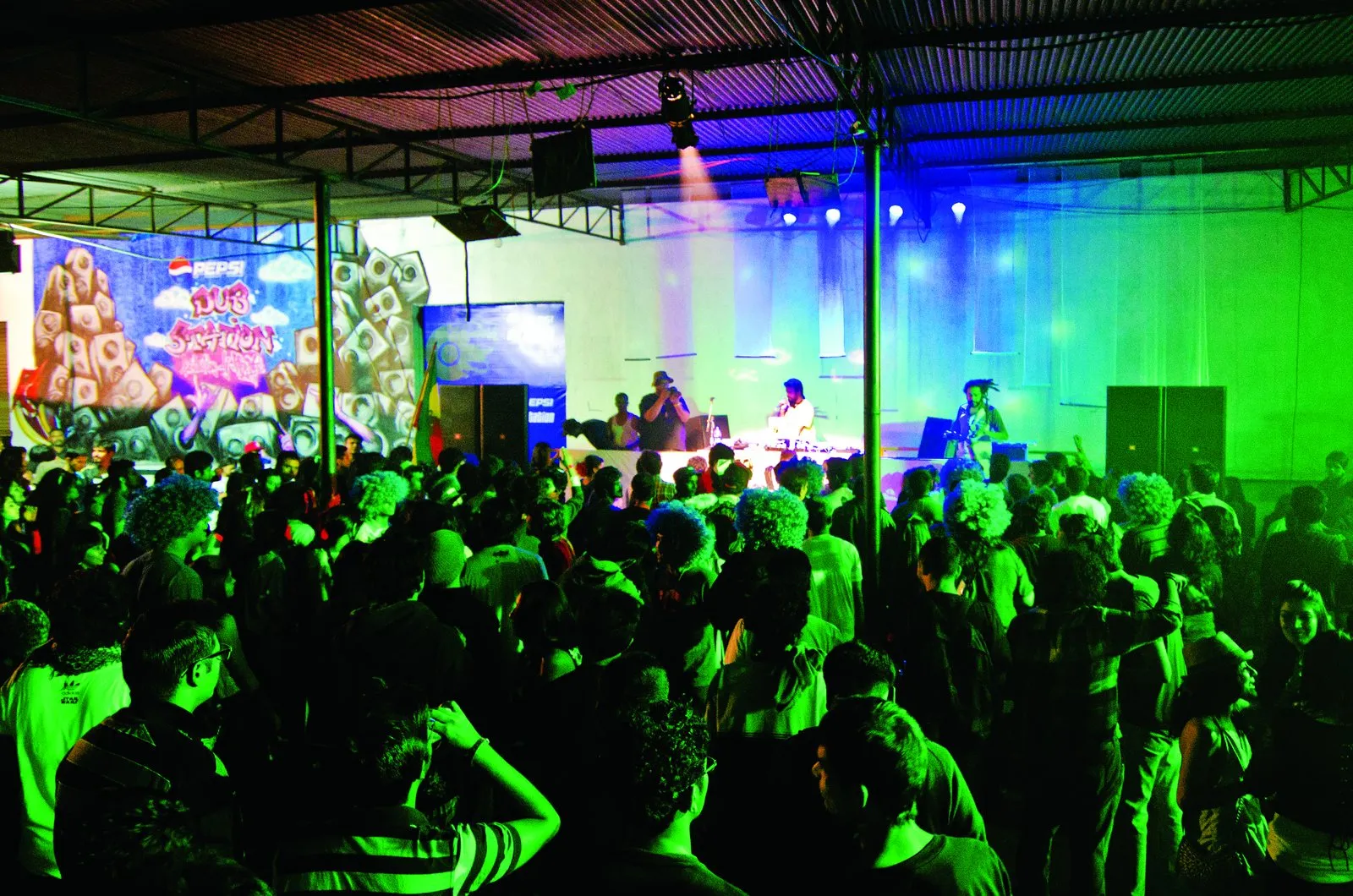
Ans. Well, I’m a guitarist who always wanted to be a drummer, but couldn't because it’s a bloody loud instrument. I would play the drums whenever I got the chance, but that’s not enough to really nail it. Now with computers, I can program and compose drum parts, and I’ve observed a lot of drummers to get a better understanding of the instrument as well. Playing the guitar and learning the drums in this weird way has helped me understand music a whole lot more, because I spent a lot of time immersed in both rhythm and melody. In fact, when I’m writing or producing a song, it almost always starts with a groove. I use my strange musical experience and my excessively picky disposition to help bands sound the way they want, or sculpt out a sound for them – sometimes guiding, and often even bullying them. In short, I'm a geeky musician who also knows the technical side of things when it comes to cutting an album, or doing live sound engineering.
Q4. Besides your ear for music, is there any kind of professional training one needs to do what you do. Did you have any?
Ans. I got my training on the job, but yes, there are a lot of institutions, and a lot of technical know-how that one needs to be able to do this properly. A lot of it is still just your ears and how you use your tools to get the sound right, but you must know how those tools work, how sound itself works, and the limitations of the many technologies we use today. You can always learn working, but you should definitely support that with a lot of reading.
Q5. So what’s your average workday like…
Ans. Ooh, hectic. But fun! Festivals are all about tight timelines, lots of preparation, and lots of contingencies to fall back on in case anything goes wrong, which almost always does. But you are only as good as your prep. The best part is when the music starts, I’m always at the vantage listening position and never miss a minute of it, unlike a lot of other behind the scene crew who work tirelessly to make a festival or event happen.
Q6. In between all this, what has been your biggest achievement?
Ans. When I went to Norway with Undying Inc., we were touring with a great native band called Torch. They weren't travelling with an engineer, so I offered to do their sound. After the main concert, the band came up to me and said that it was the best sound they had ever had. I really didn't know what to say, because I’ve grown up listening to Norwegian bands, and they have very established and experienced technical crews there. So for a band with such exposure to say that was probably the best thing I’ve ever heard!
Q7. There must by bad days as well then?
Ans. Don’t get me started. I’d say that when a band comes in to record and they don't know how to play their instruments, but still expect the best sound – that’s a bad day. Also, working in India with vendors in some small towns, you never know when they’ll surprise you with shoddy gear and poor excuses.
Q8. What can we expect from you next?
Ans. I’m branching out to Europe to produce bands and work in festivals there. Plus, I’ll be reviving my band Narsil and making some quirky dance music as well.
Q9. Is there one song that speaks to you the most?
Ans. Slayer’s Angel Of Death

Dhruv Jagasia – Festival Director / Band Manager

On the face of it, Dhruv works like a man possessed, but spend some time with him and you’ll realise there’s a method to his madness. As manager of two of India’s most respected and acclaimed artists – Indian Ocean and Midival Punditz, you’d think he would have no time for anything else. But then he also took on the mantle of Festival Director for Bacardi NH7 Weekender and Eristoff Invasion putting him in-charge of crews of around 600 and crowds of 25,000.
Q1. How would you describe what you do to an outsider?
Ans. In layman’s terms, I’m like the executive chef of a kitchen. He doesn’t cook himself, but supervises everything. So I’m that man at a festival overseeing everything from merchandising to ticketing, setting up of stage and even ensuring there are enough garbage bags at the venue – it’s all under my purview. My main job as Festival Director is to take a crew of about 600 people and get them to work towards one cohesive goal that culminates in a one-day event or a 3-day festival. The anomaly of our work is that we work for 6 months for something that lasts a few hours or 2-3 days.
Q2. You were into theatre, right? So how did music come along?
Ans. In 1999, I started working for a company that exposed me to all creative forms – dance, music, and art. The first interaction I had with music was through a monthly music club called ‘Friends of Music.’ My work with them eventually took me to the Edinburgh Fringe Fest – the world’s largest arts festival. I was responsible for taking over 400 artists across genres and art forms from India to Edinburgh. At the Fringe, I was acting in a musical, while also looking after Indian Ocean, Mrigya and other bands. From thereon, I started managing tours for Indian Ocean and Mrigya to Singapore, UK and the likes with my first full tour management in 2001 at the age of 22. Eventually I started managing Indian Ocean fulltime and then Midival Punditz.
The Festival Director role came along organically. I went to the first Weekender in 2010 just to help out, since I’ve known Vijay Nair (the man behind OML who were organising the festival) for 6-7 years. He had seen me doing stage management at the inaugural SAARC fest, which I had curated with Amit Kilam of Indian Ocean, so he asked me to run a stage at Weekender. I went there 10 days in advance to just hangout with everyone, but once I got there and realised how much work needed to be done, I chipped in and started doing other stuff as well. By the end of Weekender, Invasion was already lined up for January and Vijay asked me to run the Delhi leg. After Invasion, I was invited on board to run Motherswear (OML’s festival and events division) and that was it.
Q3. So your relationship with music is a special one… How does it define what you do?
Ans. Music is possibly something that I relate to on an ethereal level. It can make or break my day. I have a soundtrack running in my head for every situation. For example, there’s this street musician called Passenger who I heard at The Great Escape Festival and his song defined my state of mind at that stage of my life. Music speaks to a different part of me, not just my soul. It’s far more transient. I never planned to be in the music biz, but one thing led to another and opportunities came around. Now I feel like a film director watching a film. Working in music has meant that the innocence and purity has been lost for me, because now when I go to a concert, the technicalities affect me as much as the experience. It changes your perspective.
Q4. With such an illustrious career graph, there must be something you consider as your biggest achievement?
Ans. It’s yet to come. There are many things that have made me happy, but nothing that has been the penultimate. Like the last Indian Ocean album made the band more money than all their previous works put together. I love the, as people, not just as a band, so I was happy I was able to push them into a different bracket and propel them towards more success. The same goes for The Weekender and Invasion fests.
Q5. Then there must have been a worst day at the job too?
Ans. Undoubtedly, it was when Indian Ocean’s Asheem Chakravarty passed away. To lose a colleague and a friend like him was the worse.
Q6. Would you recommend any kind of professional training to someone who wants to do what you do?
Ans. There’s lot of training required, but no place to give it. One needs to have a great knowledge of technical aspects, budgetry controls, logistics, people management and more. I think the best production people are Indian housewives. They manage egos, run a household, work out logistics, and coordinate everyone’s day – that’s pretty much the best training for this job you could get outside of the field.
Q7. There must be so much going on in your head at the day of an event – what do you cherish the most?
Ans. I love hearing that first strain of music when you are setting up a stage. That crescendo that rings out when you test the PA feels like something that was dormant and asleep is now finally awake. That overrules everything for me and the rest is minor then. The first chord, the first drum beat, or the first track that the sound engineer plays – that moment is exhilarating and makes everything else worthwhile.
But obviously, there’s a bad side too. The biggest of which is that you have to kiss everything else in your life goodbye. You put your personal life on hold, since we are at a rapidly growing stage of things in the Indian music scene. And then of course, those early morning flights. I take a minimum of 140 flights in a year just for Indian Ocean and maybe another 30 for the fests.
Q8. So do you have an average day at the job?
Ans. There is nothing average about my day. It can go from having a mammoth 7-8 hour sponsor meeting to worrying where people will park their cars at a venue or if the dustbins have arrived – That’s the beauty of it!
Q9. Is there a song that defines you?
Ans. Has to be Firestarter by The Prodigy. I relate to the lyrics.
Roycin D’souza – Music Photographer
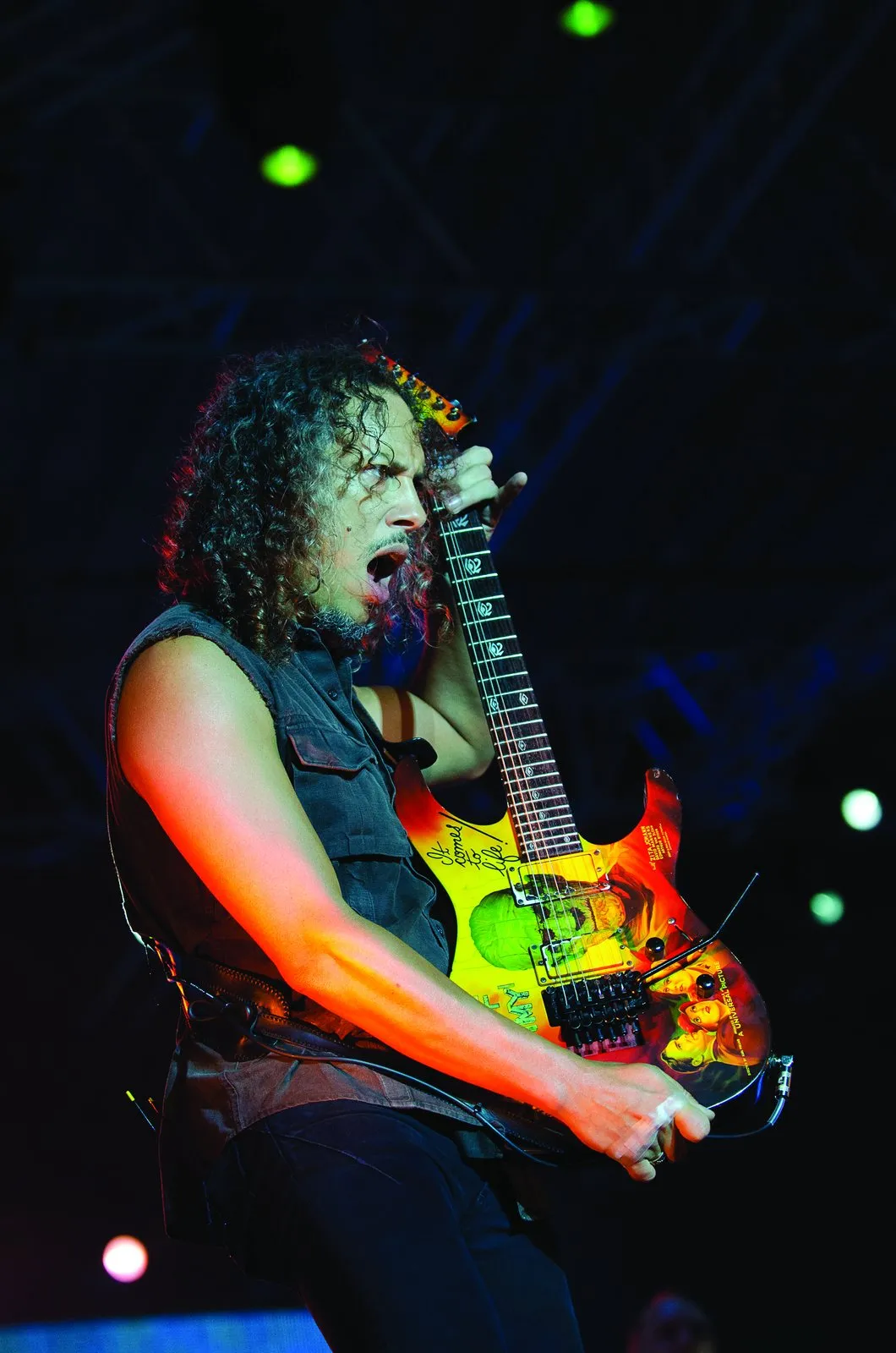
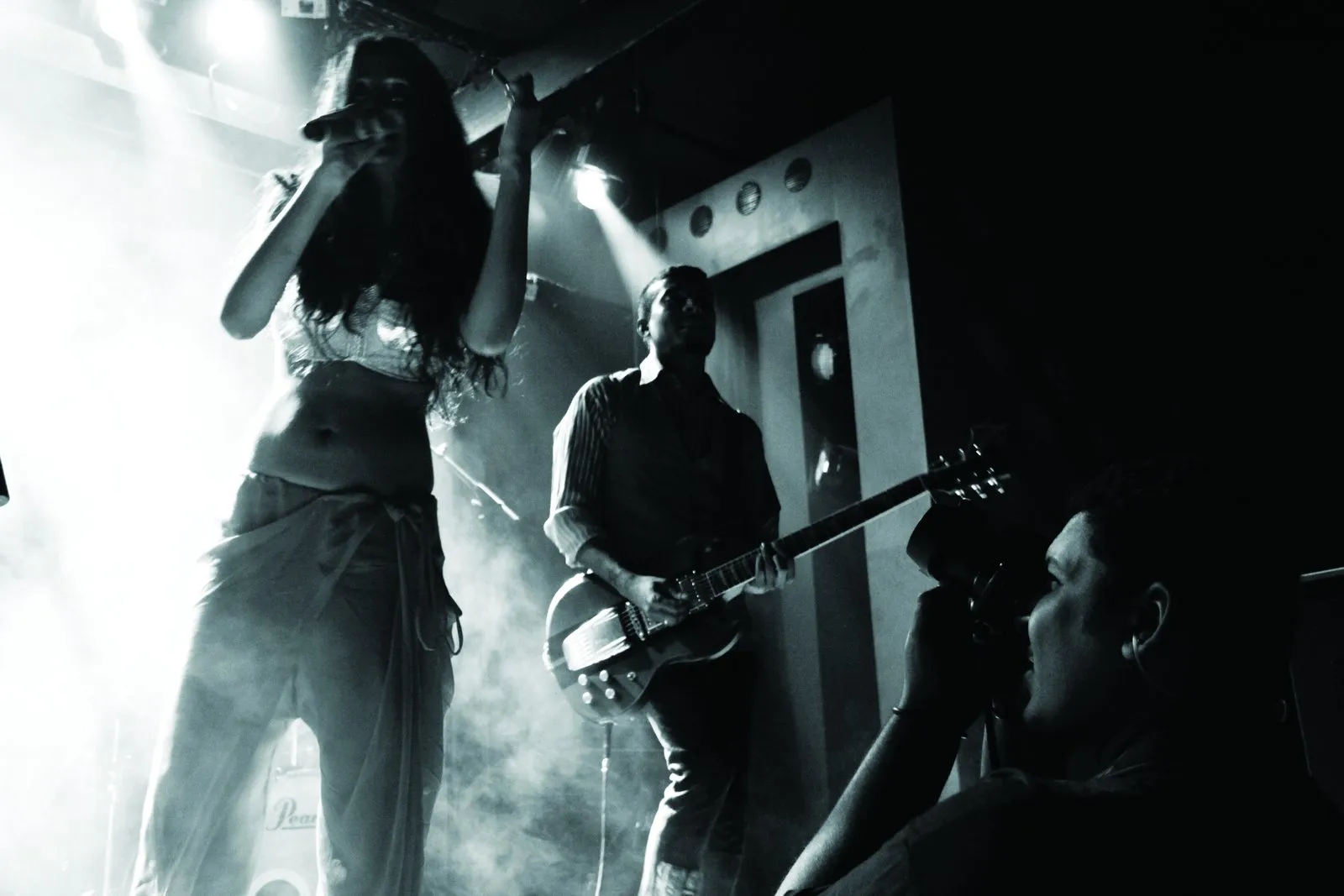
The young man behind the camera grew up with a love for music and then spent his teens working alongside musicians. No wonder then that his photographs are renowned for their unique depth and perspective. And he’s also the brains behind the #TAD365 project.
Q1. So you photograph music. Elaborate?
Ans. Music photography is an art form. You are capturing emotions, expressions, movement and a form at its extreme. That picture needs to engage anyone who sees it into a conversation. So one has to be descriptive and manage to give an idea of the music the band was playing and the ambience of a place all through his clicks. For me, it’s more important to shoot a gig because there’s some musical and aesthetic (with the stage set up and such) value attached to it. You can’t stand at one place and shoot, but rather you have get as close, or far for the action as you can.
Traditionally, we get a 15-minute or a 3-song window to shoot. A chilled out environment translates better into pictures since the vibe comes through, plus it’s important how well you know the band and their music. If you know them, their structure and their energy, then you can do your job well. I also do lots of pre-production before an event, but sometimes when I get there, the stage is not accessible, or the lights aren’t enough, so the game plan changes.
Q2. That sounds complex. How did you get into this line of work?
Ans. About 2 years ago, one of my pictures of the band Demonic Resurrection was picked up by a Czech publication. After that I started borrowing cameras to shoot. It worked out a little better for me than it would for an outsider because I’ve been helping out bands like Scribe, Bhayanak Maut, and Blakc for a long time, so I knew them. But it was at the Iron Maiden concert in 2008 when I realised that this is what I wanted to do seriously. Money comes in sporadically and I do a lot of other stuff to pay for the music photography. I was certain that I wanted to buy my own camera only from my music shots and I did. Gear for proper music photography is very expensive, even more so compared to regular shoots. The total can run upto 5lakhs. Otherwise you can’t shoot stages properly.
Q3. Isn’t it challenging to translate music into a photograph?
Ans. For me, shooting music is about knowing the guys on stage because when I shoot music that I don’t like or relate to, it shows. My approach is simple – I shoot 2 songs and go watch the rest of the set. I don’t use heavy Photoshop or add filters either. For me a photograph should look exactly like the gig did. That’s how I perceive music. Of course, there are hardcore bands that don’t stop on stage even for a minute, so it’s not always easy, but when you know their pulse, you can capture anything. That’s why I love shooting Scribe and Shaa’ir n Func. With the latter especially, there’s this eye contact and a connection that I make with them on stage, which shows in pictures.
Q4. We know you are young, but is there anything you consider as your biggest achievement till date?
Ans. Yes, it was when I shot Metallica. I rented equipment worth 6lakh for that gig. It was raining and there was sludge and mud all around, so it felt like we were in Scotland. I was shooting with all my gear out, just 2-3 feet from the stage, while everyone else was running to save their equipment from the rain.
Q5. And has there been a worse photo-op as well?
Ans. Ah, yes, the Bryan Adams concert. They didn’t even have a proper photo pit even though the stage was huge.
Q6. We know photographers have their special skill sets, but is there any kind of training you recommend for music photography?
Ans. I don’t believe in training. I could have been named Roycin DIY D’souza. People say you need to have an eye for photography and have a vision, but for music photography there’s no time to even think. For me it’s about capturing the moment, not just the emotion. In fact if someone gives weird or overtly contrived expressions, it becomes performance photography then.
Q7. Any grouses with the scene?
Ans. The importance given to music photography is still secondary. Most people just hire regular photogs, but it’s not the same. I don’t have grouses, but I do approach the scene differently. I’ve developed my portfolio through my social networking sites and I like to have exclusivity to my work, so either I upload albums really quickly or after a while. My source of income comes via the social networking route, so I build up this anticipation for the albums from popular gigs and people look forward to the pictures. Copyright issues are also a problem in India. But on the web, people pay more attention like my Facebook page is a gallery where people come to see music content.
Q8. It’s not an easy life it seems… So what’s your average day at an event like?
Ans. It’s definitely not easy. Mainstream music has a lot of money, but independent bands don’t get enough of that scope. The situation is changing slowly and venues understand that they have to provide a visual treat apart the sound element as well. Smoking kits, elevated drum kits, marker points etc. are finally being paid attention to. On an average day, I stumble across some interesting creatures mostly drunk people, and fanboys/fangirls and am aparty to a lot of stories. Before the gig and after the gig are fun, but coming back and sorting all those pictures out is painful.
Q9. Any one song that describes you?
Ans. Omerta’s Lamb of God
From the January 2012 issue of FHM India.
Spotted a mistake, or your photo used without permission? Report a correction








 in your inbox