
The Year of the Bihari
How Bihar went from being spoofed to being celebrated on screen.



While India and it’s cinema obsessed with the Punjabis and the Sardars – putting him on magazine covers and on runways – the man from the hinterlands (outnumbering them four to one) went about their business quietly – constructing our metropolises, growing our food grains and playing loud comedians in dodgy, low-budget shows. His leaders were the stuff to be laughed at over a drink, to be made fun of for their ear hair, a benchmark for corruption, and they weren’t allowed to forget that they hadn’t churned out a cricketer (whose father wasn’t a CM) for as long as people could remember. Dhoni is from Jharkhand for those who want to haggle. No one could really tell where the jokes on their dreams about India domination through a coup orchestrated by the IAS began, but everyone contributed to it. He either made something of himself, got into IIT and never got laid or spent his life trying to get into the IAS.
And then suddenly things began to change. Spearheaded in equal parts by India’s internal problem du jour – Maoists and the arrival of the ‘Bihari Boys’ in Mumbai. While Punjab at least as far as cinema was concerned was the land of swaying mustard fields, Bihar was so much more. It was about grit, guns, songs in sputtering English, blood, gore and of course, kidnappings – there is always a kidnapping and a Maruti van. Gritty realism, as these lads will have you believe, was not endemic to India – but just to the cow belt – especially Bihar. Also, Bihar had more sex too. It’s not to say that the rest of the Indian hinterlands did not make their cinematic debut, but Bihar suddenly became the heart of the movement. While the Sardar was the one with a sense of humour, muscles, and a flare for bhangra; Bihar was about kattas, gamchas, litti chokha and no festivals. It was a land where the men were perpetually angry and the women weren’t melodramatic, but took pride in the man’s kills.

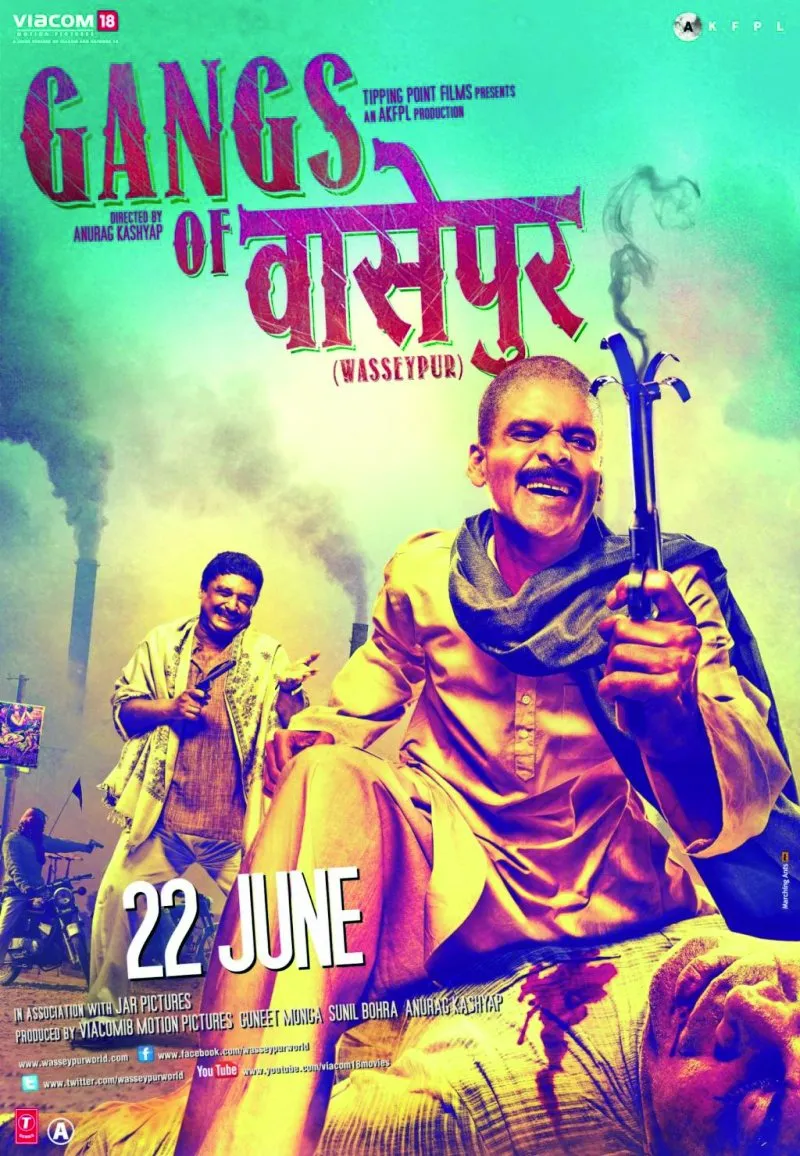
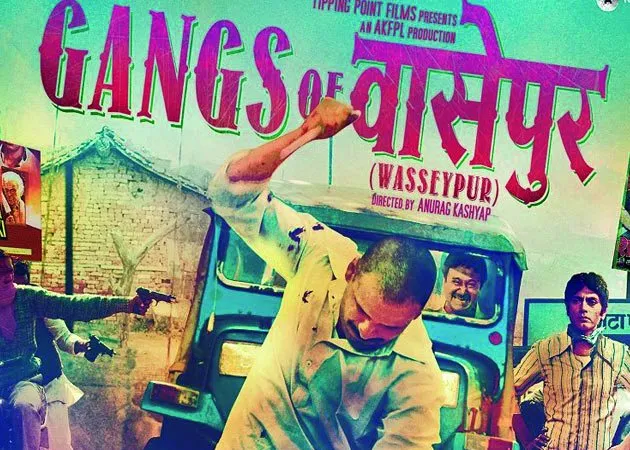
Though the seeds had been sown much earlier with Prakash Jha’s insistence on using his hometown as the backdrop of just about every narrative from Gangajal to Apaharan and Hazaaron Khwaishein Aisi. Its cross border cow-belt sibling, Uttar Pradesh seemed to be taking the cake as the base for Dabanng, Ishqzaade, Tanu Weds Manu, Omkaara and Phas Gaye Re Obama, while Paan Singh Tomar was set in Madhya Pradesh – the movement in a manner of speaking was pretty much without a posterboy. But then came Anurag Kashyap’s two part saga – set in the neighborhood of Dhanbad and the coalmines that would give the Wild Wild West a mad run for its money.
More people would know Jiyo Re Bihar Ke Lala and Chi Cha Leather than the ones who know this year is Bihar’s centenary – that is the impact of popular cinema. The fact that its hero, Manoj Bajpai is himself a Bihari obviously helped. Bihari abuses were hurled with double the enthusiasm as fuck and designers perpetually looking at piggy backing on cinema suddenly realised how the gamcha was as versatile as the keffiyeh. Designers were sending out models with gamchas tied on their heads, making shorts out of them and the odds of them becoming the must-have winter accessory for men are higher than an eco-friendly Hummer going into production.
Lok Sabha speaker Meira Kumar’s catch phrase “Baith Jaiye, Baith Jaiye” and her brand of tough love for Members of Parliament is already an epic Twitter staple, while in a small yet pop-culturally aware hub of Delhi, a restaurant (Potbelly) is trying to prove there is more to Bihari cuisine than just garlic. The fact that it’s run by two cute girls helps, of course. Meanwhile, Sonakshi Sinha might be coming under fire by the ‘zero percent body fat’ brigade, but in her cinema has found its first leading lady. And since Twitter seems to be so integral to everything – Kamal R Khan (KRK) with 65,000 followers has no particular claim to fame, but tweets the most outrageously hilarious things. Vinay Pathak is from Bihar, so is Pritish Nandy, while Bollywood’s new posterboy for love stories, Imtiaz Ali was bought up in Patna and Jamshedpur, and then Raj Thackeray blames Bihari migrants for the violence in Mumbai earlier this month.
The most obvious question is what has changed? How did Bihar go from being spoofed to being celebrated? For starters, Lalu’s departure from power meant that the most caricatured Bihari on the Indian political scene was suddenly no longer hogging as much of the media-space as he had enjoyed before – Nitish Kumar was going on with his job without offering himself up for much ridicule. And that’s probably what changed. Compared to the bhaiya from UP, the Bihari had a more distinctive identity. You can argue that this could be the year of the hinterland, but that would only be half true since the Bihari represents the underbelly of India and Punjab the happy-go-lucky slightly bulging paunch. But in trying to move away from its image, Bihar has managed to reinforce the stereotype even deeper. The image of lawlessness and grim narrow lanes, kattas, abuses and corrupt politicians will always work better than development, crisp white shirts and impeccable English.
From the September 2012 issue of FHM India.
Spotted a mistake, or your photo used without permission? Report a correction









 in your inbox