
This is what an awesome engineer looks like
Sir James Dyson, Chief Engineer and Founder, Dyson
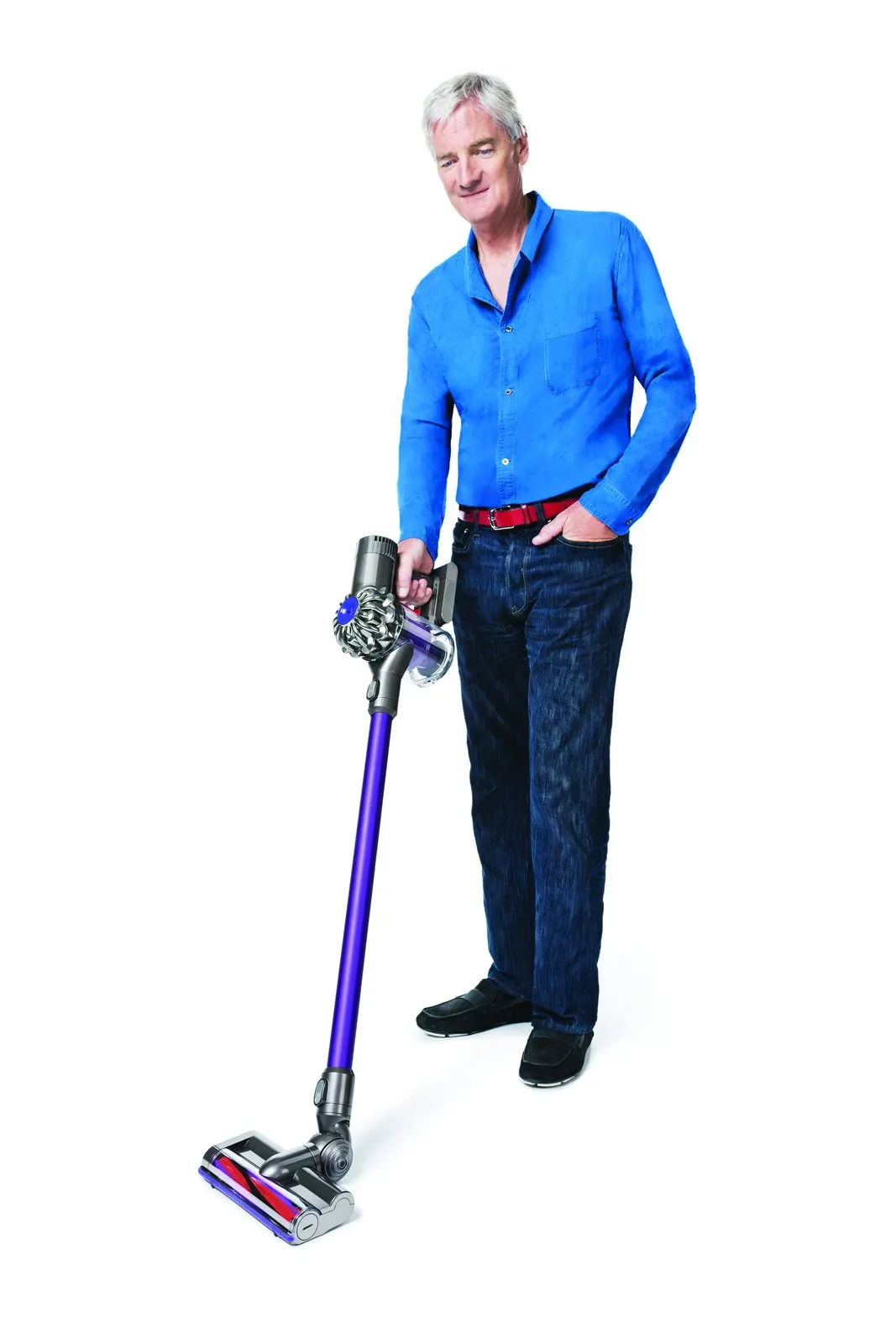



Inventor, engineer and a great leader, Sir James talks about motors, research and his business model for India. That’s what “Sir James” is for you.
Let’s start with your decision to become an engineer...
As a child, I didn’t even know what an engineer was, but I was very curious about how things were made and worked. It was after school, while at the Royal College of Art in London, that I became determined to develop technology and products myself. That was when I began to moonlight as an engineer. Engineers are the best problem solvers in the world, and there are lots of problems – so I wish there were plenty more nimble brains to solve them.

Tell us more about the journey of Dyson, where it started, where you are today and some key learning you had in the process?
The English countryside is very dusty and I used to spend more time than I wanted to vacuuming the floors and furniture of my house. I wanted to make it a quick and efficient process so I bought a top of the range vacuum cleaner, but I was very disappointed and frustrated when I found that the performance would drop quickly as I used it.
After investigating, it became clear that the pores in a cleaner's bag would clog with dust, fluff and grit and the machine would lose suction as a result. The technology was fundamentally flawed and my engineering mindset meant that I felt compelled to improve it. I am fortunate that I am now surrounded by 3,500 engineers who spend their days developing technology and products that solve problems.
We heard you at the India-UK Tech Summit held in New Delhi last year where you said “Dyson intends to make its patented technology available in India for the first time.” What is your mandate for the Indian business? How much you are planning to invest in India?
I don’t think in terms of markets or business models. My focus is on discovering and developing new technologies and using them to good effect, to make products which work better. By focusing on that, and doing that well, I hope people will buy Dyson products and enjoy using them. This approach takes us in new and exciting directions and makes life surprising.
Ultimately we want people to know how our technology is different and why it is better. We plan to open our own stores, or Dyson Demos as we call them, across India, and I hope with time we will do much more.
We are already running the James Dyson Award in India – which we ran for the first time this year. It challenges engineering students in India to ‘develop a problem solving invention’ and I was amazed by the quality and ingenuity of the entries. Asish Mohandas from IIT in Kanpur, India was our winner in India this year with a design which makes it easier to transfer patients from bed to a stretcher and vice versa. It is an excellent idea and now goes on to the international stage of the award and is in the running for the award’s £30,000 prize.
Your R&D facilities are indeed known renowned for its innovative design and engineering expertise. Tell us about your R&D spending?
Dyson is currently investing around £7m a week in new technology. We invest around a third of our profit into research and development because it breeds’ new technology which in turn leads to better products.
Dyson makes great products like vacuum cleaners, air purifiers. Tell us in detail about your product portfolio.
Dyson’s focus has expanded to include battery enabled and autonomous vacuum cleaners, hand dryers, lighting, heating and cooling fans, humidifiers, air purifiers and hair dryers. We are focused on making intelligent machines which use cameras and vision system interpretation to understand and predict our needs - using hardware and software together. Our purifiers already do this, the machines use multiple sensors to constantly taste the air around them and automatically respond to remove nasty pollutants and improve the air quality in your home. This is only the start – AI and machine learning has the opportunity to really improve lives.
There is a power in collaboration. Please talk about your global partnerships?

Dyson has 40 university partnerships around the world, working on new and exciting technology. We also have research and development centres around the world, working on technologies for the future.
What are you expansion plans? What other markets would you be looking at?
Dyson is currently in 76 markets around the world and we will continue to invest in new products and new markets. It is incredibly exciting to be entering India this year.
What piece of technology brings you the most joy?
My camera – it records ideas and memories which is particularly important with my Grandchildren who grow so quickly.
If you were challenged to a duel, what weapons would you choose?
I would use my Dyson V8 Absolute. It looks like a sword, and I am confident it would suck my opponent right up.
What game do you wish you could act out in real life?
I enjoy playing tennis, and I do act it out in real life frequently!
If there were internet Olympics, what sports would be in it?
I’m not sure, but AI would play an important role, so I am sure it would be a very strategic sport.
If you had to replace your hands with objects already in your house, what would you replace your hands with?
You never know what Dyson might make in the future!
From the September 2017 issue of FHM India.
Spotted a mistake, or your photo used without permission? Report a correction









 in your inbox