
Vedic Healing
Natural healing practices and a healthy lifestyle can make all the difference to our human body, mind, and spirit, so why would it be any different for our pets? The impactful natural relieving practices of Ayurveda, many folks follow daily, apply equally also to our furry companions.
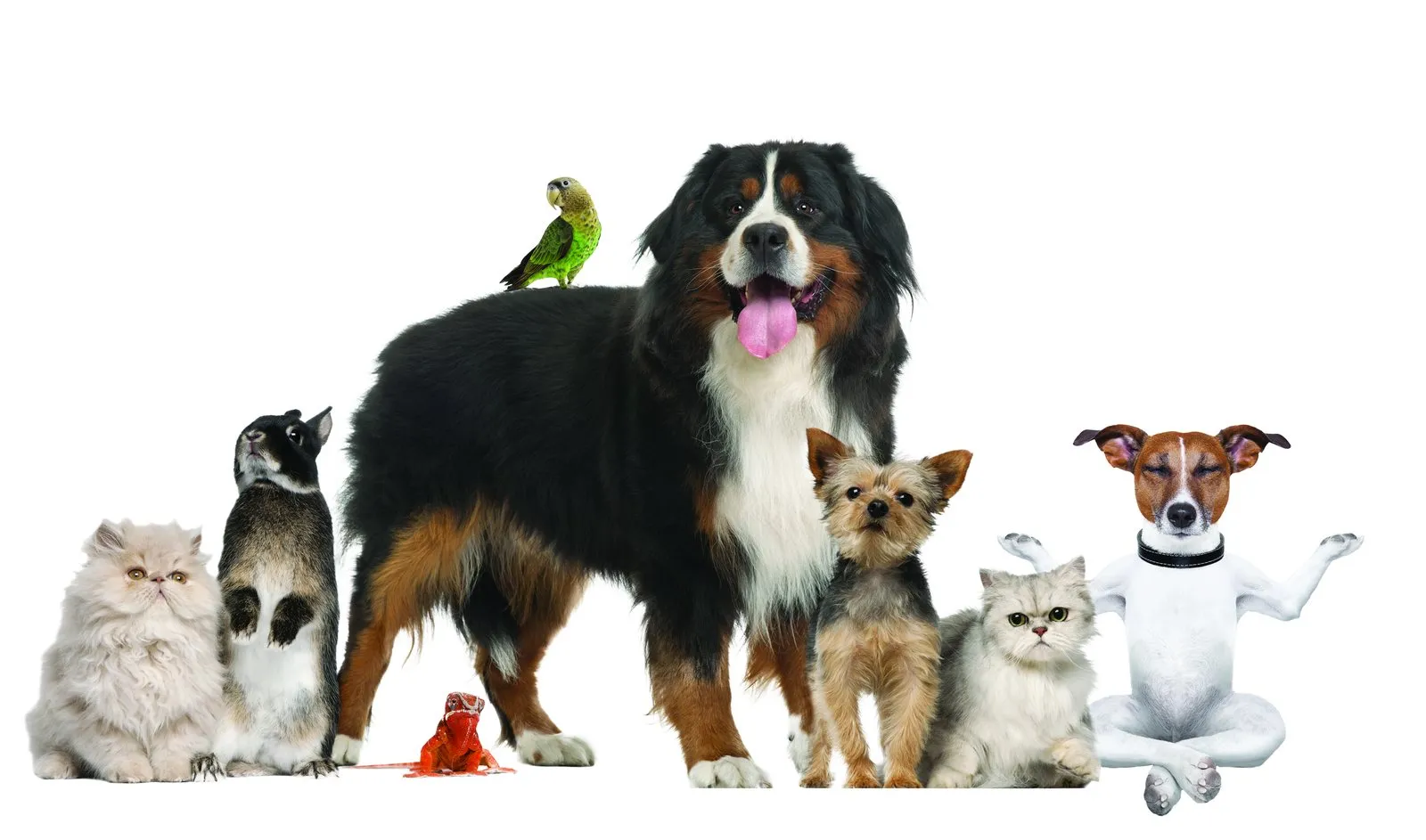



“Until one has loved an animal, a part of one’s soul remains unawakened.” Anatole France. Pet ownership is undoubtedly one of the best pleasures in life, providing companionship and giggles galore. Living by this statement, many of us deeply understand the bond that we share with our pets. They are not only loyal companions but they also teach us compassion and offer unconditional love.
Once the pets start becoming an inseparable entity from our family, we start realising the need for healthy wisdom that Ayurveda offers, few are aware that their animals and pets can benefit even as much from the choice, natural supplements and lifestyle practices as they can. The healing principles of Ayurveda, one of the predominant mind-body healing sciences originating in 6,000 BC, can be utilised to understand people—and four-legged creatures—from a more integrated and holistic perspective. One of the most beautiful things about Ayurveda is that it is anything but a “one-size-fits-all” approach to wellness.

The Ayurvedic approach provides various methods to nourish and restore balance through the five senses – taste, touch, smell, sight, and sound. All information received by the mind and body (for two or four-legged beings) is channeled through these five gateways and integrated into the system. With this in mind, choices are often made to favour what nourishes while reducing what exaggerates imbalance, so equilibrium can be restored naturally and holistically.
Step 1: Prakriti
A unique method in Ayurvedic medicine is the concept of body typing, which based on the five elements theory. Determining our pet’s body type allows us to learn how to create a fine balance in their mind, body and spirit, thereby a lowing our pet to achieve and maintain optimal health. Moreover, as our furry friends begin functioning at an optimal level, it doesn’t only bode well for them, but also the world around them. Indeed, our pets’ well-being has a great effect on everything and everyone they come across.
Step 2: Dosha
The Tridosha are the five elements that are represented in humans also as animals. Dosha means “protective,” or, when out of balance, “disease-producing.” The Tridosha are the three humours, or metabolic forces that structure the mind and body. They’re called Vata, Pitta and Kapha. All beings are made from all three doshas (aka all five elements), but we each carry our own unique ratio of them. It’s this personal combination or “recipe” that determines our primary constitution.
Step 3: Vata
Also referred to as the leader of the bodily Ayurvedic principles, Vata governs all movement within the mind and body. It controls blood one’s flow, elimination of wastes, breathing and the movement of thoughts across the mind. Many experts suggests that it’s vital to stay the Vata in good balance.

Nourishing foods for Vata for our pets include — warm and moist foods, including grains (if not allergic), goat milk and root vegetables. Also aromatherapy plays a key role in our pet’s health because the scents of lavender, chamomile and cedar will provide grounding and balance to their mind when applied on the fur or their skin.
Step 4: Pitta
Pitta is a force created by the dynamic interaction of water and fire. These forces represent change. Also known as bile, Pita regulates digestion, absorption, assimilation, nutrition, metabolism, body temperature, luminosity of eyes, intelligence and understanding. Psychologically, Pita produces anger and jealousy. During playtime, skip the roughness and introduce mentally stimulating activities such as agility, games or fetching.
Especially light fragrances such as rose, peppermint, sandalwood and lemongrass can help re-balance a bile-imbalanced pet. Cucumber, apple, aloe vera and parsley - all cooling foods - can be added to our pet’s diet along with coconut oil.
Step 5: Kapha
Kapha is the ideological balance of water and earth. Kapha can also be imagined as a force that keeps water and earth apart. This dohsa maintains body resistance. Water is the main component of Kapha, and is physically responsible for the biological strength and natural tissue resistance in our pet’s body.
To achieve the perfect balance of this dosha we must keep our pet’s food on the lighter side by adding pure leafy green vegetables and a small amount of finely chopped ginger to encourage digestion. We must avoid mostly heavy, fatty foods, processed foods and treats. Animals dependent on Kapha can benefit from very mild scents of cinnamon and sage.
From the February 2020 issue of FHM India.
Spotted a mistake, or your photo used without permission? Report a correction












 in your inbox