
Ways to win the internet
Upgrade your cat-based Instagram photos and your YouTube rants while making some cool millions in the process. FHM meets the internet entrepreneurs who’ve turned their social followings into a business…


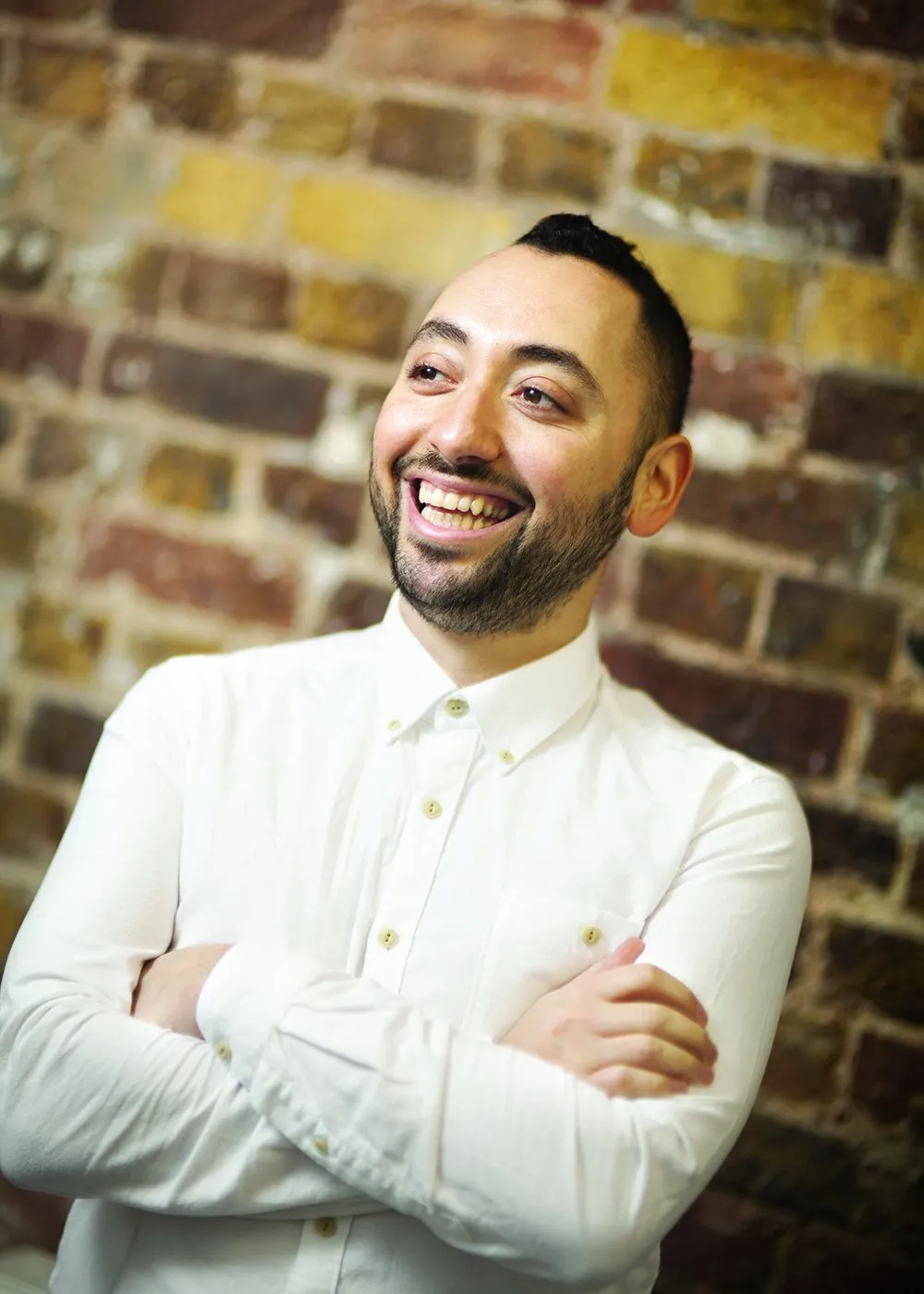
SORTEDfood was launched in May 2010 in the form of a YouTube channel by Jamie Safford, Ben Ebbrell, Barry James Taylor and Mike Huttlestone as a means to share easy and delicious food recipes between themselves…“After we all moved away to university, we’d all try and meet up once in a while in our local pub,” explains Ben. “I was training to be a chef and the guys would wind me up with all of the shocking, disgusting food they were eating: microwaved donor kebabs and stuff like that.
“Eventually I started writing down simple recipes on beer mats for the guys and over time, they started cooking them and filming the process on YouTube.”
The idea, which was initially started as a fun way for friends to stay in touch, started to pick up traction across the site and the group slowly managed to carve themselves an audience.
“We were only getting about 50 views per video at first,” continues Ben. “But after a while people started commenting and suggesting other recipes they wanted to learn. It started to snowball from there. We were really just lucky that nobody else was doing it at the time. We never saw it as a business but then suddenly, the idea of a ‘YouTuber’ took off and we managed to ride that wave.”
This marked the transition from part-time YouTubers to transforming the SORTEDfood channel into a real YouTube channel in the world. The Guardian newspaper placed the friends fourth in their list of ‘Top Young People in Digital Media under the age of 30’. Put simply, SORTEDfood is now one of the largest online food networks in the world. The guys have even released best-selling books.

“We’ve also been working on an app that we want to turn into the Facebook of food,” says Ben. “Then we just want to keep doing this for as long as possible and carry on making it better.”
RULES TO BEING A YOUTUBE HIT
Pick a topic and content theme that you’re passionate about. Without that passion, you’re just going through the motions and your audience will see straight through it.
The beauty of YouTube is that you’re in control at every step so you should be OK to share everything. Behind the scenes bits, bloopers and the ‘making of it’ are just as valuable.
Your audience are the best source of feedback and can help shape your future content. Nearly every video that SORTEDfood made came from a comment under the video.

Teaming up with content creators of a similar size and producing content together can be really strong. Not only does it add variety but it also helps with audience sharing.
After you publish a piece of content, you’ll have stacks of analytical data that is worth keeping an eye on. It’ll help shape what you’re doing in your next few videos.
1.8 crore
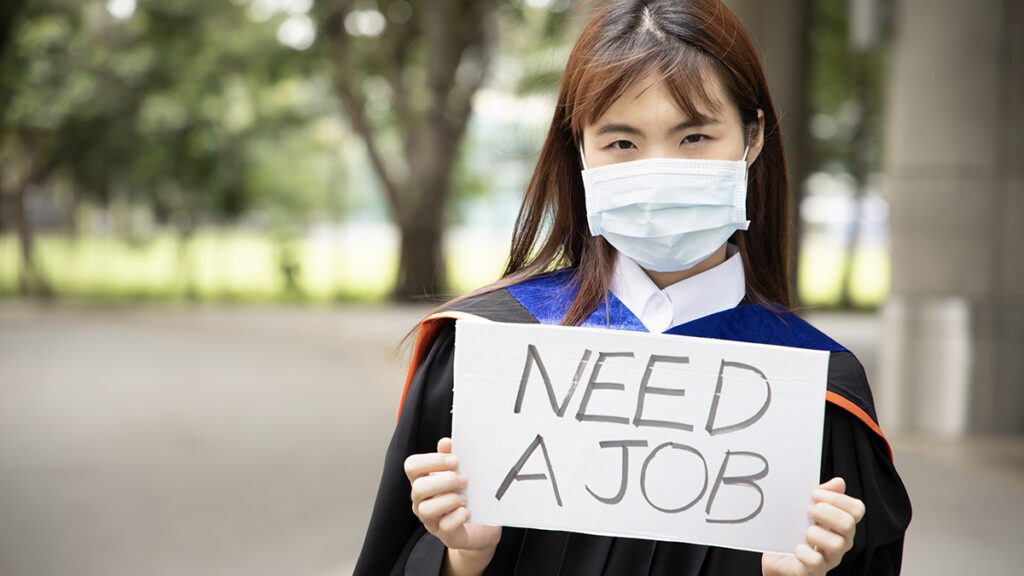
business. The friends quit their day jobs to work on the project full time – a risky punt as, at that time, most other graduates were struggling to find full-time employment anywhere. But, it paid off. To date, the channel has more than 1 million subscribers, has racked up over 104 million video views and gained a combined social following in excess of 100k. As of last year, the company had 14 employees with a projected revenue of over ₹1.8 crore. In August 2011, London was falling down in the midst of rioting sparked by the shooting of Mark Duggan. In the chaos, writer David Levin used Twitter to quash rumours that his local pub, The Dolphin, was being burned down. His account soon went viral… The riots were a worldwide trending topic and the carnage was being tracked in real time on Twitter. Like many Londoners that evening, David was scouring for online updates, keeping track of the destruction close to his home, when he stumbled across news that his local pub, The Dolphin, was burning down. Running to his window, he saw that this wasn’t actually true and blasted off a tweet to quash the rumours.
The tweet picked up traction in the Twittersphere, with hundreds of users responding in relief, sharing their own jokes about the pub. Seeing the potential for a parody account, he quickly created one, @The_Dolphin_Pub and made a few jokes about the place fighting off the rioters. “It was just nonsense really, but I woke up the next day and the account had picked up over 1,000 followers and people like Caitlin Moran and Rizzle Kicks were retweeting it.
“I decided to keep it going for a few days and the followers just kept coming, so I told the owners of the pub. Within a few weeks they started getting loads of new customers. It was incredible and the owners loved it. So I just carried on, making jokes about R Kelly”
The Dolphin pub quickly became a Twitter phenomenon and turned David into a mysterious superpower of the social media site, followed by Londoners and celebrities alike, picking up thousands of retweets. “I started having fun with it, testing different things. During the Olympics I did a Twitter quiz from the account and it became a trending topic, which was mental. Suddenly brands started contacting me to help them with their own accounts.
“The first big job I was offered was running the feed of BBC’s The Voice. I ended up breaking BBC records and suddenly the whole thing became a full-time job. I was introduced to David Schneider [comedian and Alan Partridge writer] and a short while later we set up a social media company called That Lot.” Four years later and David is now a 124-character expert who comes recommended by Twitter itself as an authority, and is regularly sought after by brands like Adidas and TV shows like Have I Got News For You.
Ben Phillips, 21, from Bridgend was one of the first UK active users on Vine, making short six-second skits to a tiny pocket of early adopters. He’s now a bona fide internet superstar, commanding (according to some reports) in excess of ₹10,60,000 per video…
“When I first started, there were only around 30 other people actively making videos. I was just having a laugh and trying to get those guys to watch my stuff. Somehow I got around 10,000 followers but it wasn’t a big deal. It was just because nobody else was on it. I was only getting about 30 likes per video.
“Then one day I posted a video where I was pretending that a lobster was driving my car. Overnight, it had 6,000 likes. I started making more fun videos with my ex-girlfriend’s two-year-old son, pretending he was a doctor, and it just exploded. We were getting about 50-100k likes and my followers just grew from that. It was bizarre.” Within a short space of time, Ben found himself reaching an audience of over a million followers, more than most television shows. With that, he began to be approached by large brands who could see his potential as an advertising channel.
“I was working in my mum’s shoe shop at the time and I was genuinely quite happy to do that forever, but then Ford contacted me and asked me to feature some of their stuff, which was incredible. They just told me to have fun doing what I was doing and paid me for it. Now this is how I pay my bills.”
The Ford video made way for more offers and gave Ben the opportunity to travel and eventually concentrate on making Vine videos full time.

“It’s not something that I ever really saw as a job. At the time, I just thought it would be amazing if I got the chance to travel around for a year and not have to take out a loan like my friends were doing. I still kind of think like that really. “I could never have imagined it being so big and ultimately this could disappear tomorrow, but I love what I’m doing: the engagement and just being able to make people smile.
That’s priceless, and what’s most important to me. Who knows what’s next. Maybe TV? I just want to reach a mass audience. However it goes I’ll still just be messing around on Vine.”
At the beginning of 2012, Emmanuel Cole, 24, had just managed to land his first proper job working as a door knocker for a charity. With his first paycheque he invested in a contract phone and, like most people, spent the first few days raiding the app store. It was there that he stumbled across the still relatively new photo app, Instagram…
“I didn’t really ‘get’ Instagram at first, but I quite liked the idea of it,” says Emmanuel. “The job that I was doing at the time allowed me to travel quite a lot around the UK, and on my travels I was taking loads of pictures.”
The majority of these photos found their way on to Emmanuel’s Instagram profile, which slowly – through the clever use of hashtags – began to garner an audience. “I started to get involved with small communities on the app,” he continues. “I was messaging them for advice, and taking pictures every day to train my eye.” Within months, Emmanuel was featured by Instagram on its coveted ‘suggested user’ list. The nod of approval from the app makers saw his following leap from a respectable 2,000 to more than 22,000. “That’s when it began,” he says. “It all changed.” His sudden profile boost meant he was approached by Levi’s to shoot one of the brand’s campaigns. “That was an amazing experience. Afterwards, I decided
From the September 2016 issue of FHM India.
Spotted a mistake, or your photo used without permission? Report a correction










 in your inbox