
Why I Went To Syria: A Journalist’s Account
Bilal Zaidi, 30, is one of the few Indian journalists to have reported from war-torn Syria, embedded with the rebels. He talks about crossing the border on foot, hardliners and the human side of the conflict.
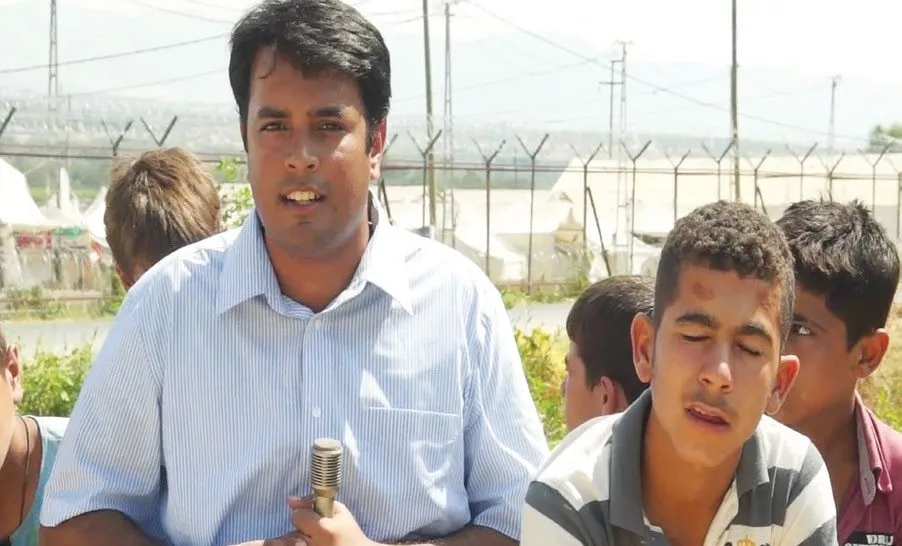


Bilal Zaidi is one of the few Indian journalists to have reported from the war-struck Arab land. This is his story...
Bilal, you are one of the very few journalists from India to have reported out of the Middle East during the so-called Arab Spring. Tell us something about how it happened?

Yes, in fact my visit to Syria was different from other journalists’ from India because most of them had gone there at the onset of the conflict. Once they realised that this is a long haul, they returned and things only got worse. I went there in September 2012, almost 18 months after it broke out. So what I was able to witness was a conflict that had mutated over the months and had taken a different shape, something that was not expected when it first broke out.
What, as a journalist, takes you to a conflict zone? What’s your drive?
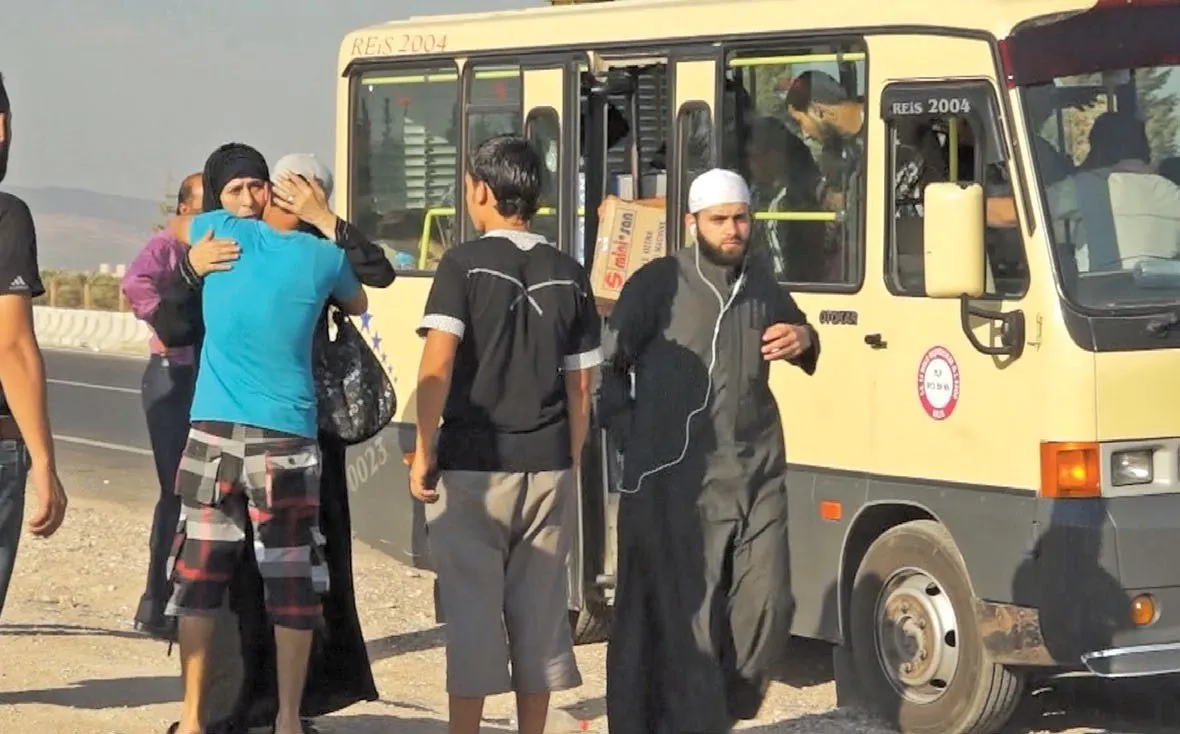
Well in the Indian context I have been privileged to have reported extensively on the Maoist insurgency and also Kashmir and the North East. Of course when you see a violent landscape around you it does give you an adrenaline rush. But I think I have over the years graduated from there. It’s more about being able to see the structural aspects of the violence and not just physical violence. In Syria, for example, I could do stories on the economics of being a refugee. Now that was heart-breaking. I mean you get conditioned to young boys holding guns and fighting for their cause, but every now and then you run into the human side of it that one can easily relate to. Like a jobless Syrian teenager begging to feed his mother... that loss of dignity. That is the story I want to tell.
What are the kind of risks you would take to get into a conflict zone?
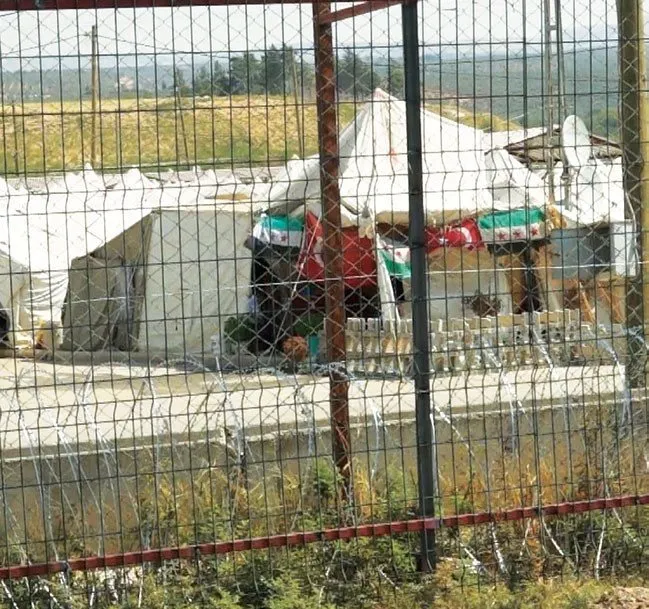
It’s the unpredictability of the whole thing. I mean we crossed the border on foot from Turkey into Syria. You don’t know how much cash money would be needed. You don’t even know how much you can trust the network of people who are taking you in. We had gone in to interview the leadership of the Free Syrian Army. Now even back then there were rumours that Al-Qaida had joined ranks with anti-Assad forces. So we didn’t know if we would run into reasonable people. Or... Hardliners, instead.
So did you meet them?
Yes, we met the hardliners. Please understand, the conflict had a strong sectarian undertone. The leadership of the Free Syrian Army (FSA, the rebel group) that we met was not just anti-Bashar al-Assad, but it was also anti-Shiite, because of the support Assad had from Iran which is a predominantly Shiite state. So effectively, today, in 2014, what we see in the form of ISIS, or Islamic State as they call themselves, is actually a formation of Muslims who are trying to install a hardline interpretation of Islam so they could be distinct in their identity.
Were there any close shaves?
Out of the four days I spent there, this was the one day that was particularly bad. There were aerial raids by the hour. We were helped by the FSA as we evacuated. And that’s when the survival instinct takes precedence over everything else.
From the October 2014 issue of FHM India.
Spotted a mistake, or your photo used without permission? Report a correction












 in your inbox