
Can You Handle The Heat? How To Become A Chilli-Munching Don
The world’s leading authority on chillies, Dr Paul Bosland, on the health benefits of heat, the world’s fiercest chilli, why water won’t help you and how to build up resistance.
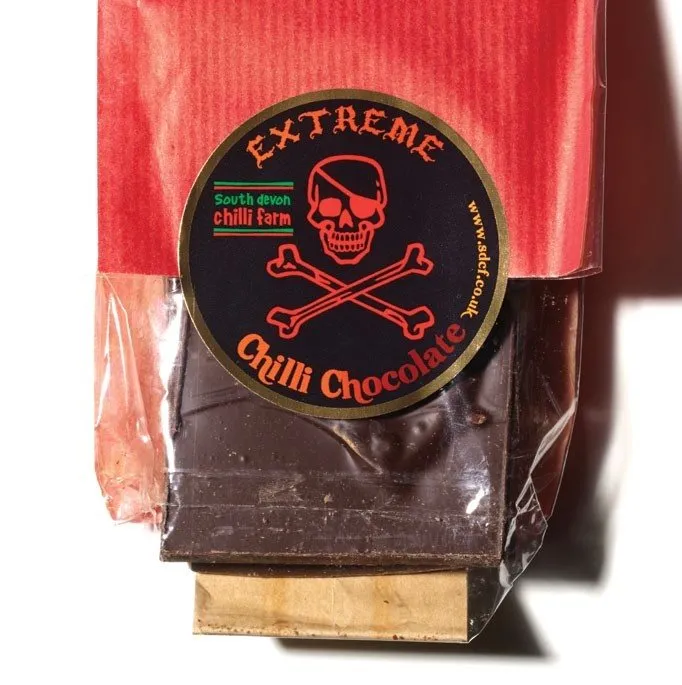



Spice up your life without bursting into tears and become a chilli-munching don.
Our expert Dr Paul Bosland is a professor of horticulture at New Mexico State University and the world’s leading authority on chillies and spice. Here’s what you need to know if you want to follow in his hot food-slaying footsteps…

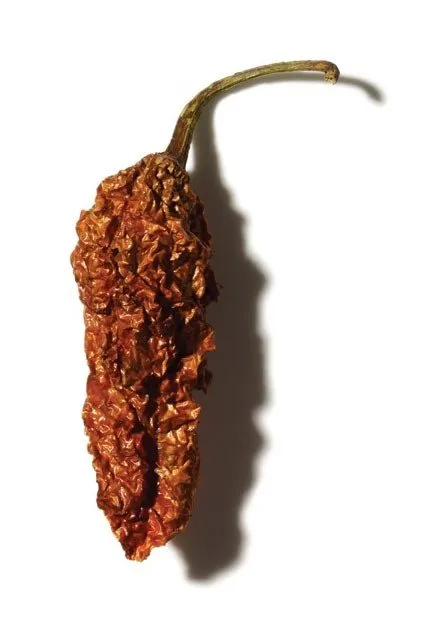
Give your health a hot kick
There are several health benefits to eating spicy food. The heat in chilli peppers speeds up your metabolism, making it easier for you to burn off fat. Green chilli peppers provide up to three times your daily requirement of vitamin C. And finally, one teaspoon of red chilli powder gives you your daily requirement of vitamin A.
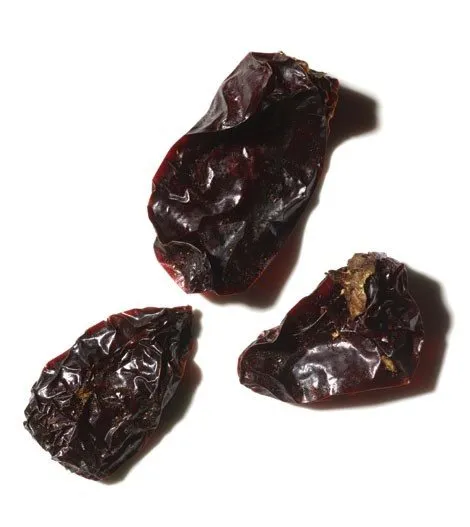
Experience evil in your mouth
The battle to be named the world’s fiercest chilli is hotly contested. It was thought to be Northern India’s Bhut Jolokia, but our institute recently found the Moruga Scorpion. Grown in Trinidad, it has reached over 2 million on the Scoville heat scale in trials (Tabasco Sauce is 3,750). Moruga Scorpions can be eaten, but it’ll hurt – just take a look on YouTube.
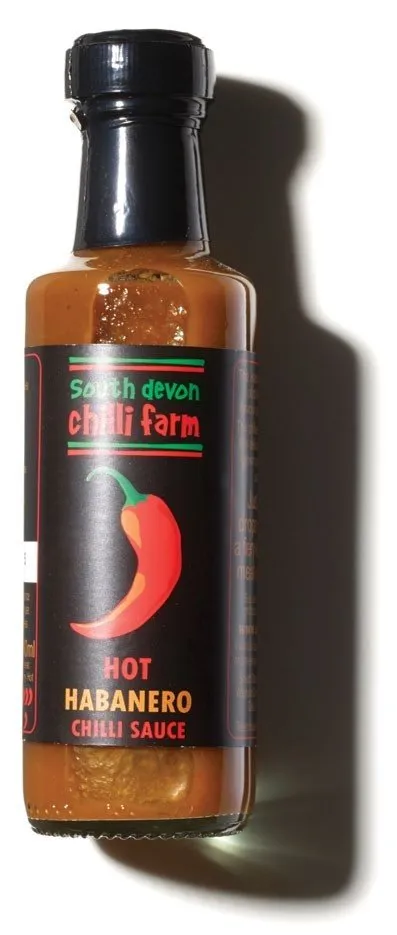
Beware of the little buggers
A chilli’s heat comes from the veins where the seeds are attached to the placental tissue. Subsequently, smaller chillies tend to be hotter than larger ones, because their compact nature means that they have a greater ratio of placental tissue to wall tissue.
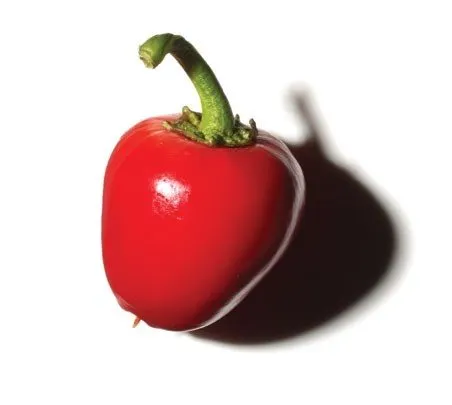
Green vs red: know the difference
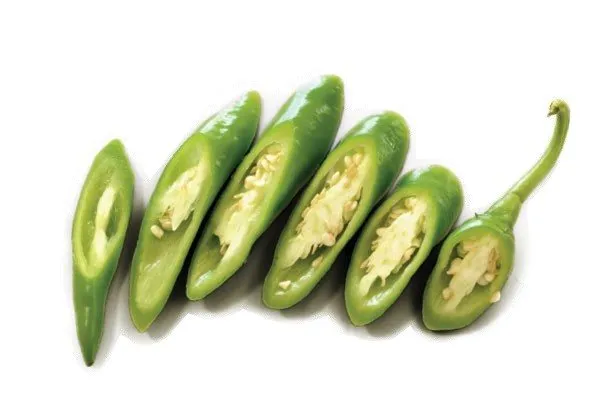
There is no relationship between the colour of a chilli and the heat it contains. The difference between the colours is taste. Red chillies are mature fruits, which makes them slightly sweeter than green chillies, which are immature fruits. Originally, this meant people preferred red, but now, green pepper consumption is eight times higher than in the ’60s.
Build up resistance
A person’s ability to cope with hot food revolves around the number of heat receptors they have in their mouth. Some people have a lot, some people have a few and there are people who don’t have any. The more receptors you have, the more difficult you’ll find eating spicy food. You can habituate your body to the sensation, so if you start at a mild level and eat chillies every day, you’ll soon be able to take a medium level of spice.
Water won’t help you
Spicy foods cause distress because chillies contain an alkaloid compound called capsaicin, which binds to the taste receptors in your mouth, prompting them to send a ‘hot’ signal to your brain. If this happens, reach for milk. It contains a protein called casein, which overrides the capsaicinoids and tricks your brain into thinking ‘not hot’. Water can’t dissolve or block the capsaicinoids.
Avoid the chilli squits
The compounds in chillies move through your body so fast, they irritate your intestines and make you go more regularly. Green chillies can upset the stomach too. If the latter keeps happening, try red chillies – they’re more mature so shouldn’t have the same effect.
Master the spectrum of pain
Finally, before you make a fool of yourself, be warned: different types of spicy dishes contain different compounds, so they affect people’s palate differently. In other words, just because you can master a hot Indian curry, doesn’t mean that you’ll definitely be able to down 100-odd wasabi peas, a green-chilli enchilada or a jar of strong mustard.
Chart-topping kicks: the Scoville scale
The Scoville Scale (named after American pharmacist Wilbur Scoville) is used to measure spicy heat – how high dare you go? From 0 for a no-heat bell pepper, through Tabasco sauce (3,750) and jalapeño, up to the Bhut Jolokia (ghost pepper), the Moruga Scorpion (2,000,000), common pepper spray (5,300,000), police-grade pepper spray and pure capsaicin (15,000,000).
- Paper Lantern: a variety of Habanero that’ll blow your head off.
- Bhut Jolokia: the world’s hottest commercially available chilli.
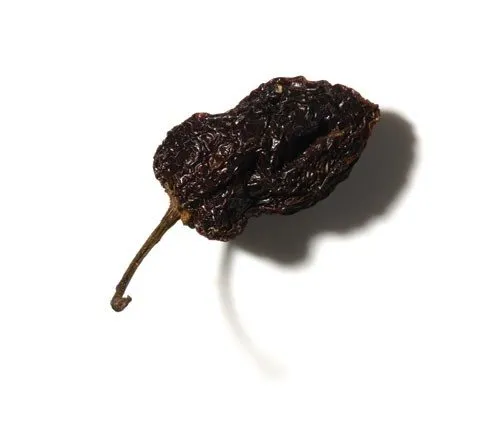
- Chipotle: dried chillies have a richer flavour than fresh ones.
- Cherry Bomb: tastes great stuffed with cheese.
From the October 2014 issue of FHM India.
Spotted a mistake, or your photo used without permission? Report a correction













 in your inbox