
Do we really care about GST?
Yes, yes, we know you’ve been loaded with information on the Goods and Services Tax. People are gushing about ‘one nation, one rate’. But there is a lot more to it than meets the eye.
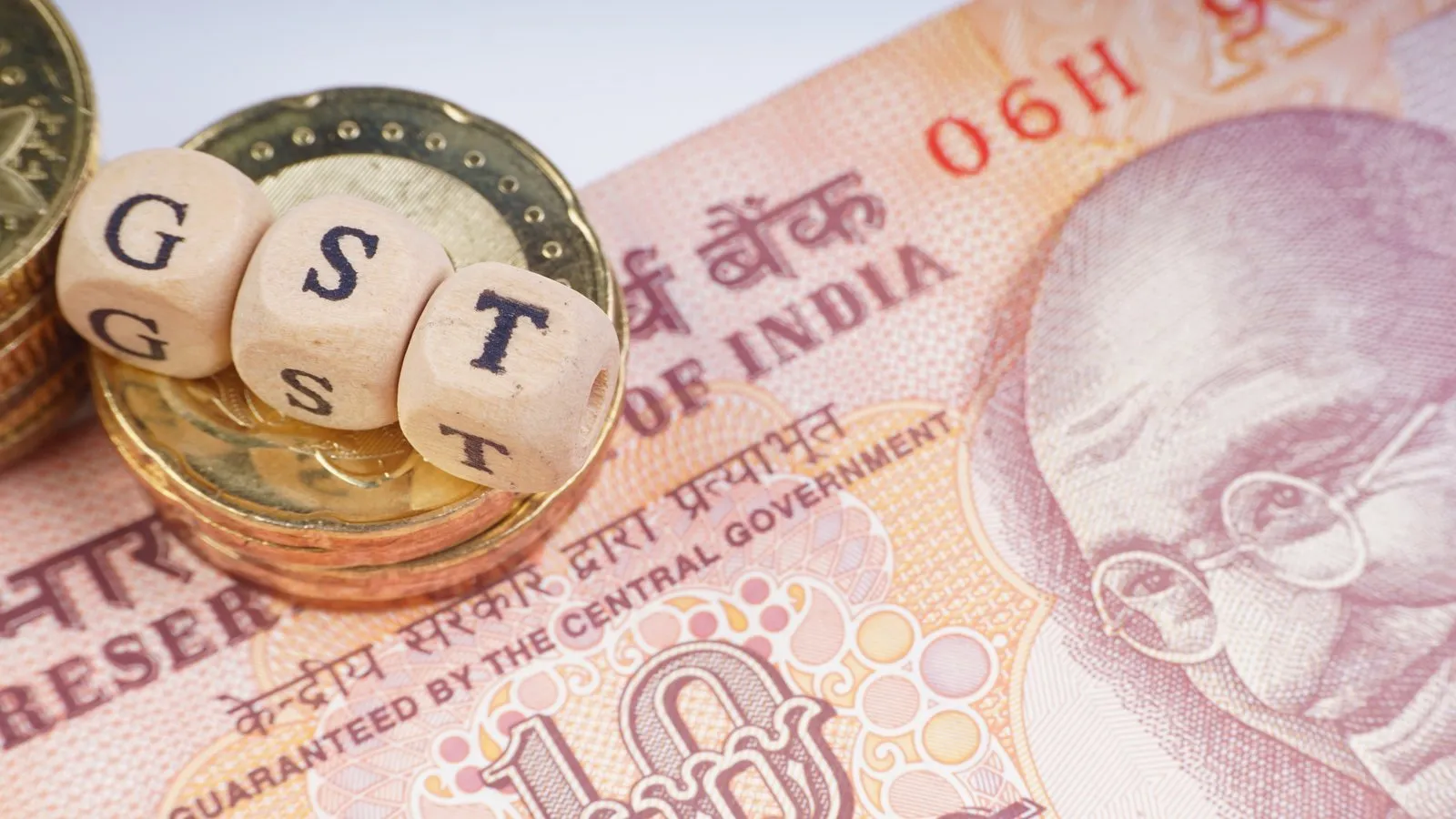



'Taxes' for commoners like us is a heavy word to digest especially while understanding indirect taxation for a country like India. And how many of us were really concerned about what percentage of service tax is charged or how does the VAT for each state used to work before 1st July 2017? But right after the furore over the historical financial reform GST (Goods and Service Tax), people have started to question this revolutionary law. But lately, people have been curious to know ‘what the hell is this GST’. Maybe this is the impact of the eloquent marketing of the current government.
As a consumer, now we are concerned about the cost of each product. Earlier, myriad of indirect taxes created a lot of corruption, confusion, and ambiguity right from the beginning till the end of the value chain. Prior to July ‘17, indirect taxes consisted of the VAT, customs duty, Excise, Service Tax and blah blah. GST has subsumed all these taxes into a single tax which is further divided between both Centre and the State. At least to me, it sounds simpler? At the intra-state level, we have CGST and SGST and at the inter-state level, we have IGST (Integrated Goods and Services Tax).

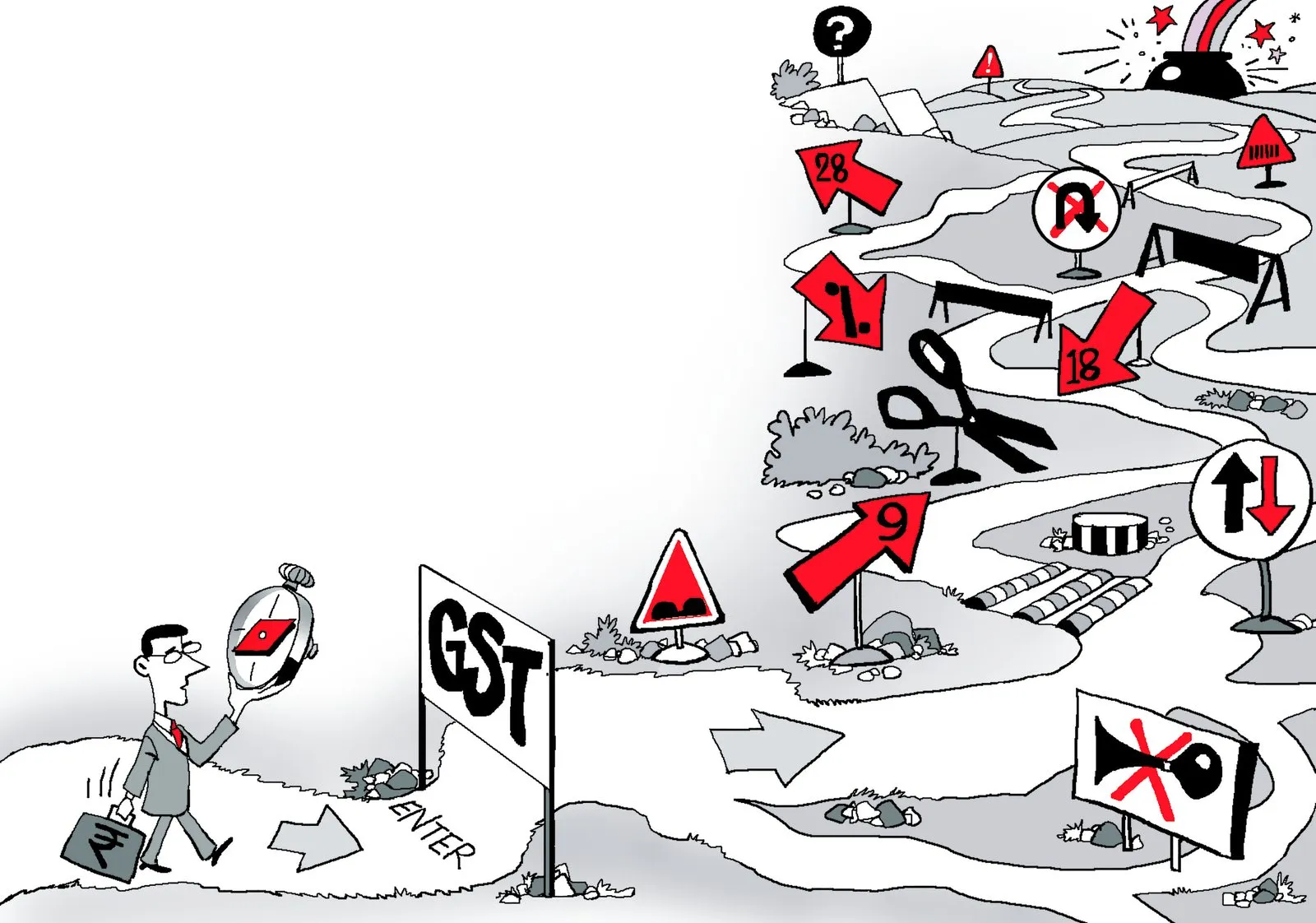
While talking about the cascading effects of Service Tax or VAT for that matter, GST shall resolve all the problems of multiple taxation and the various other loopholes of the previous system. With India as a quasi-federal country, both Centre and State can utilise their levied powers prescribed in the Constitution of India and collect money accordingly from the synchronised GST.
One good part of GST would be that the consumer only pays the tax on the profit earned at the end of the value of the chain. It is expected that GST will facilitate a seamless flow of credit in a way that each person in this value chain can take the credit from the same point of the value chain making it hassle-free for a subsequent person in the chain.

Pratik Jain, Partner and National Leader - Indirect Tax at PwC India helped me to figure out the current hassles and its solutions. He informs, “A complex system where different states had different indirect tax along with a lot of disputes and litigations has been streamlined. So, GST is good for the industry as it has reduced the overall tax incidents and simplifies the tax regime. Although, in the initial six months smaller business have found it difficult to comply with it primarily on the compliance side where the government came up with a lot of compliances. And GST and its system had its own challenges. So for smaller business, it was difficult. But then government liberalised the Composition Scheme where if a company has a turnover of about 1 crore, they have to pay just 1 per cent flat tax from the entire turn over and no detailed paperwork.”
“Other challenges were for the exporters because many were getting stuck and they were not getting their funds back on time. So there also a lot of effort has been done by the GST council and the laws have been substantially liberalised. So, all in all, there is a consensus now that it is good for the industry and the consumers. The government also has an anti-profiteering provision where a consumer can file complaints in case anyone has any query. Hereafter, this provision is a consumer-friendly mechanism,” he added.
“Along with this, the market dynamics also lead to lowering of prices. Recently, the tax rate for few commodities has been reduced to 18 per cent. We are expecting that this will further get rationalised because there are many items under the 28 per cent slab. Initial problems will get over once people start settling in. After 6 months or so the real benefits of GST will appear.”
Not to mention, Demonetization was a catastrophic decision which led to worse experiences. Is GST going to be the same? Fingers crossed!
From the January 2018 issue of FHM India.
Spotted a mistake, or your photo used without permission? Report a correction












 in your inbox