
For Your Aquarium Angel
They may not accompany you on walks or cuddle with you on the sofa, but fish are really mesmerizing creatures. If you are thinking of keeping a fish, here are some suggestions on how to keep your fish happy and healthy.
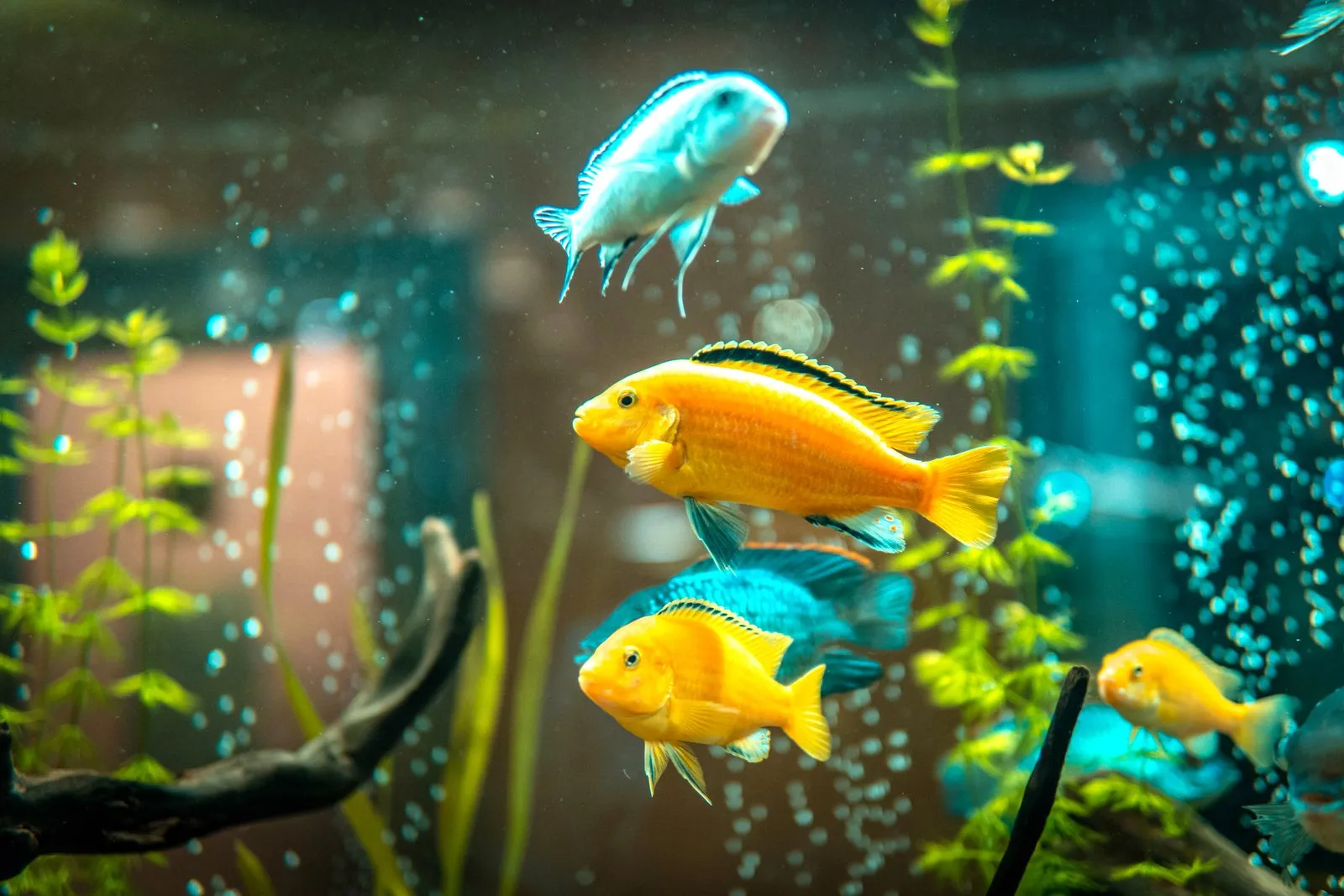



Whale, where do we start? Are you are planning on keeping a fish? The bait is over now because you have come to the right space. Before we say anything, just know that having a pet fish can be very handy and worthwhile.
They may not accompany you on walks or cuddle with you on the sofa, but fish are really mesmerizing creatures. From their glittery scales to their fairly easy care, aquarium fish are well-liked as pets. They can be a great addition to your family, as they provide entertainment for all ages. Selecting and adorning aquariums for fish can also illuminate a home and be gratifying for the whole family.

For novice aquarists, having a flourishing and healthy aquarium can also be a little difficult task. An aquarium, whether freshwater or saltwater, requires the holder's complete care and attention to be healthy.
It is clear that nobody wants to see their fish die, but occasionally it happens. Fish may get old, there can be equipment fiascos, fish may jump out, and at times, even we don't know the reason. That being said, there are certain things we can do to make sure we give them a long, healthy life and avoid fish losses at least.
If you are excited to take on the job of aquarium care, here are some important guidelines to maintain a healthy and picturesque aquarium:
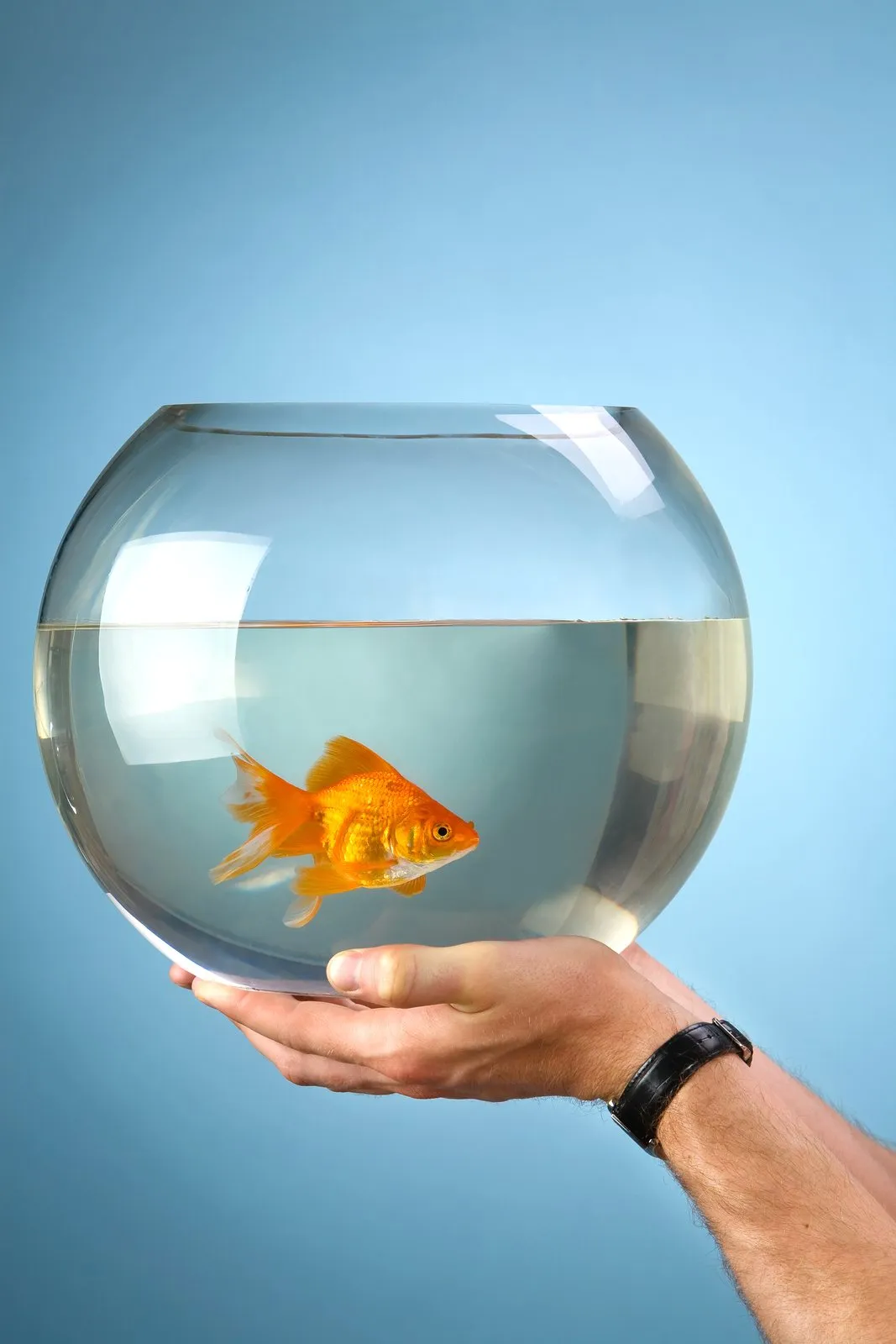
Groundwork & Research: It’s imperative to acquire as much information as possible about the species you wish to keep. Try to know how big the fish will be, as most fish stores sell young fish.
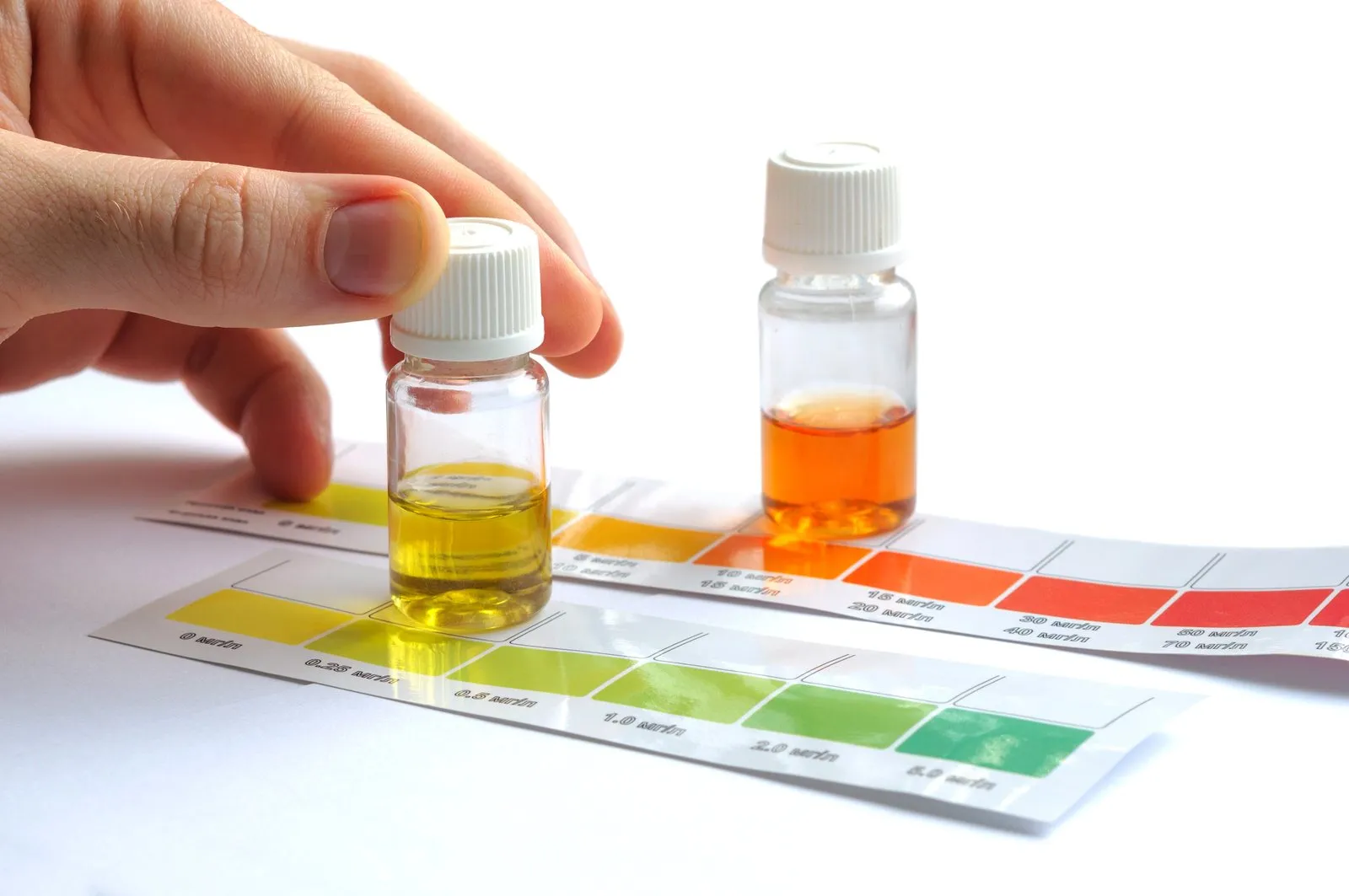
Water Testing: Purchase a good water test kit before introducing any fish into your aquarium. Preferably, it should encompass tests for nitrite, ammonia, nitrate, and pH. Except for the pH, the test results must be 0 before introducing any fish. The pH must be 7.0 to 7.8, which actually depends on the species of fish and the pH of your tap water. There are other water tests kits available in the market to measure the water hardness, chlorine and alkalinity.
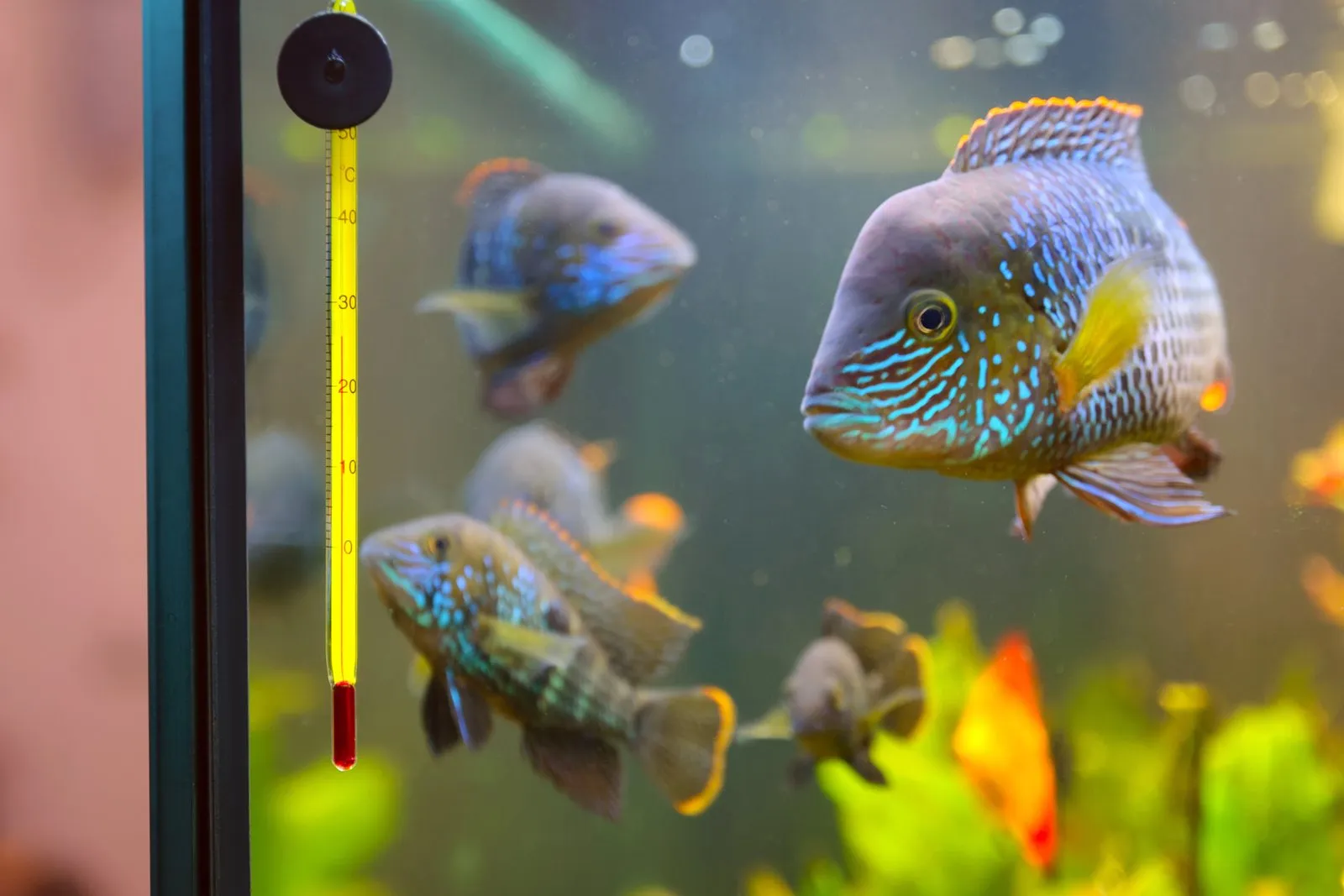
Temperature: Water temperature should not drop below ideal settings for your fish. From time to time, check the temperature of your tank with a thermometer. Keep in mind, not to position your aquarium in a place that receives a lot of sunlight or even near cooling vents. If your aquarium/tank is too cool, you must invest in a good water heater.
Medication: It is a known fact that Fish can become stressed during the winter months, which may lead to health hazards. They can usually develop fungal disease or white spots. Be watchful and treat with medication as required.
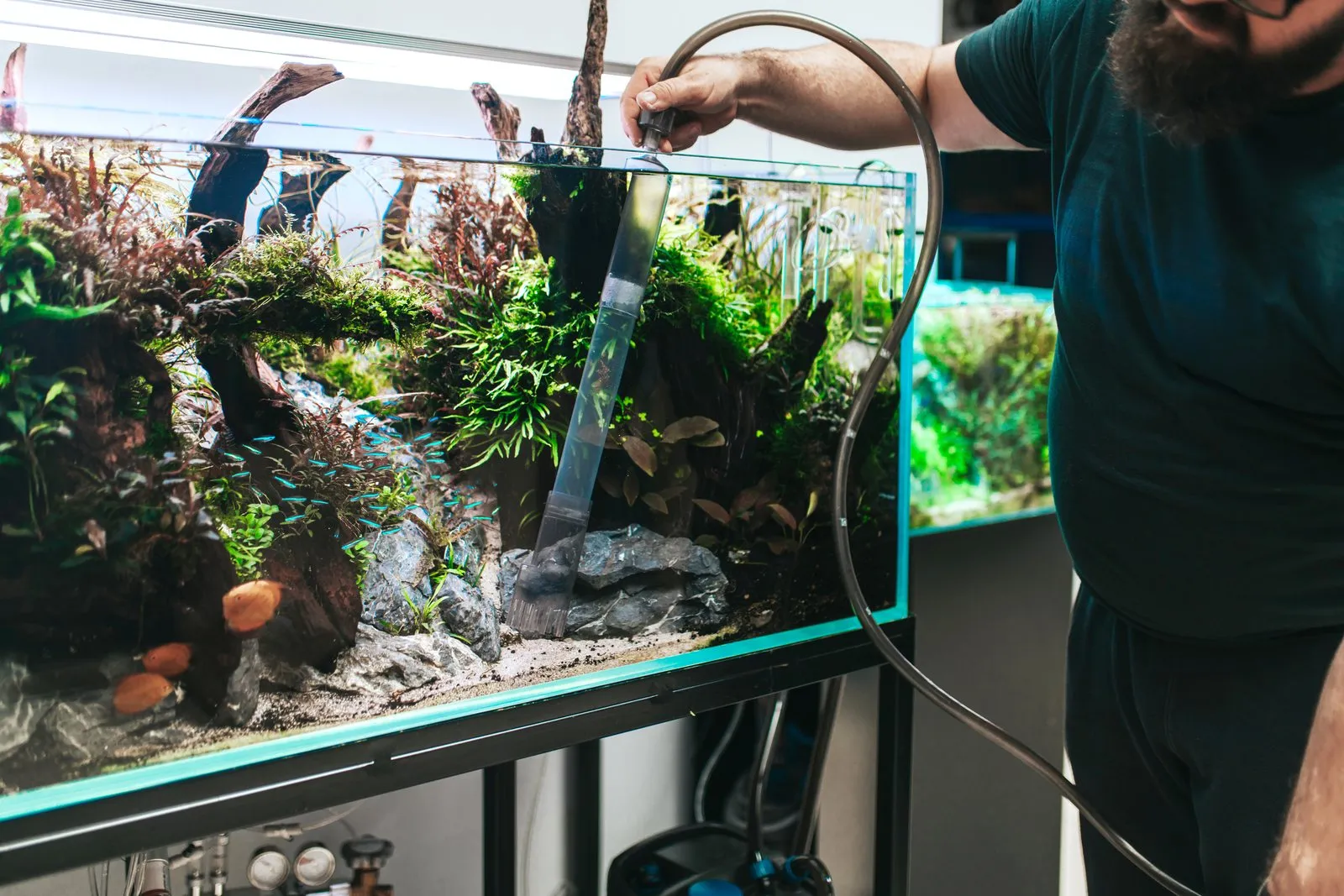
Water changes: In order to keep your aquarium clean and to stabilize nitrate concentrations, you must change 25 percent of your aquarium’s water every month. Make sure to get rid of other debris and waste products left by amplified phosphate levels. If not done properly, it may put even more stress on your fish, making them sick.
Cleanliness: Seeing too much green in your aquarium can be a sign of concern. Algae build-up reduces the amount of oxygen in the water and gives your tank a swampy and murky look.
Filtration: Without filtration, fishes will not survive very long. At pet stores, there is a variety of filters available. There are different types of filters. They can be submersible or non-submersible which are capable of removing unwanted stuff chemically, biologically or mechanically.
Quarantine new Fish: Yes, you really need to quarantine your new fish in a separate tank. Gradually introduce fish into your new aquarium. Overloading your aquarium by immediately adding all of the fish can cause issues. Introducing new fish into your aquarium will perpetually bring diseases. It is advisable to get a small aquarium with a power filter. Adding some water from the main aquarium, and then introducing the new fish in the quarantine tank for at least a week.
A balanced & nutritious diet: You must ensure that they are having a healthy and quality diet. Fish food usually comes in the form of dried flakes or pellets, frozen food and fresh food. Remember to boost the immune systems of your fish by giving frozen foods which can add vitamins and minerals to the diet. For adult fish, you can feed them twice daily, and maybe more for young fish. Only feed as much food which can be eaten within 3 to 5 minutes. Excess food will crumble at the bottom of your aquarium, causing other problems.
With sufficient preparation and effort, you will certainly have a stunning aquarium with a vivacious aquatic life.
From the December-January 2021 issue of FHM India.
Spotted a mistake, or your photo used without permission? Report a correction













 in your inbox