
Forgotten Symphony



The Indian musical heritage is mostly seen through two lenses; north Indian Hindustani music and south India Karnataka music. A few acknowledge what lies outside of these two. Just like the people of India, its rich musical history is also positioned on the inverted pyramid of the caste structure. It is apparent that the top spot is occupied by the brahmins and the music their ancestors contributed to. The years of oppression faced by the ones below that spot has lead to the erasure of their history and is continuing to overshadow their present. The chordophones, membranophones, aerophones, and idiophones mastered by the suppressed classes deserve no less recognition than the ones played by the ‘upper caste’. These musical instruments don’t just enrich the Indian musical culture but form it’s very base.
Parai
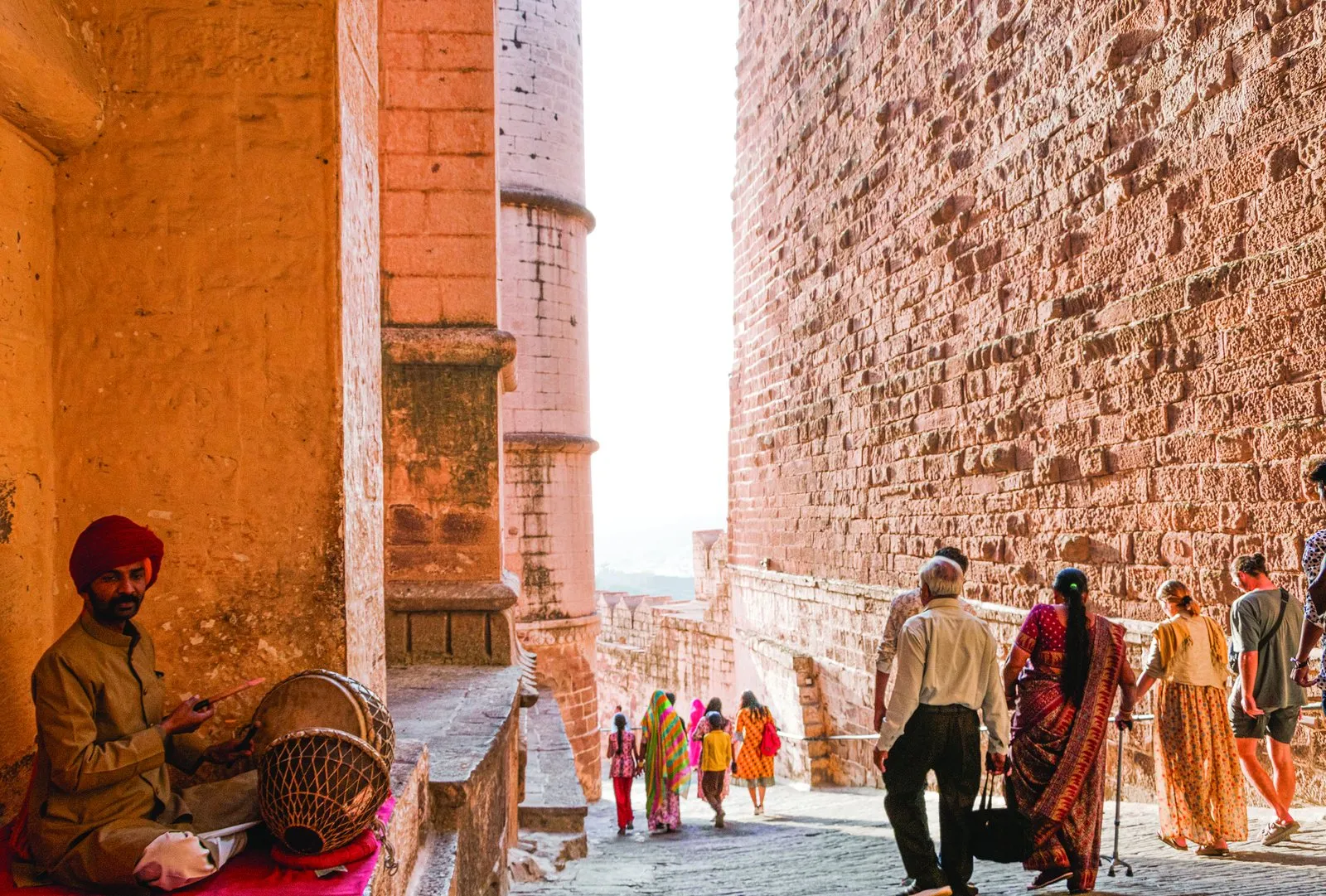
This drum-like instrument shaped as an arc is played with the help of two unequal bamboo sticks. Parai which means “to speak” in Tamil has its root in the prehistoric era of Tamil region. While most mistake it for an instrument played only by Dalits at funerals, it is an instrument played on all occasions including wedding and childbirth. This instrument which was considered to express freedom and communicating news to common folk from the courts of Pandiyans and Cholas is faced with the stigma of being the ‘Dalit instrument’. While Dalits argue that Parai can be played by anyone and everyone, the ‘upper caste’ refuses to be associated with it.

Mridangam
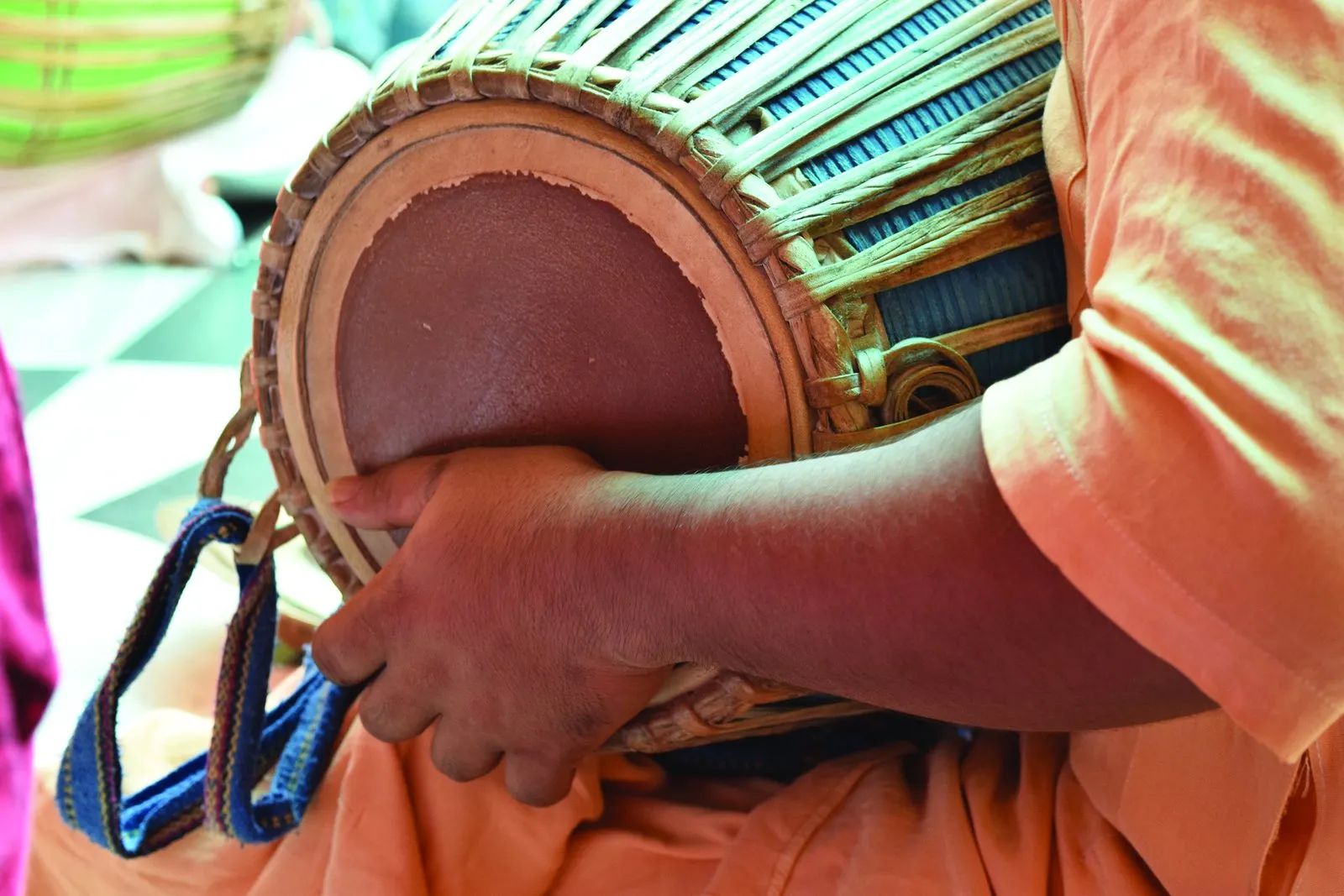
Mrdangam is one of the million things appropriated by the upper caste. This percussion instrument now enjoys the utmost respect in Carnatic music. Its history rooted in caste oppression was recently explored by famous Carnatic vocalist T M Krishna. Mrdangam is combined with two words, clay and limb. It is presumed to be the musical tool belonging to Brahmins of the Carnatic music circle but the very construction of the instrument is the result of Dalit Christians’ hard work. The cowhide used in making Mrdangam could not be obtained by Brahmin musicians so the Dalit Christians were responsible for putting together every piece of the instrument. This subject was so controversial for the Mrdangam players that they hardly ever talked about it hence few got to know about the makers of Mrdangam and their craft.
Ravanhatha
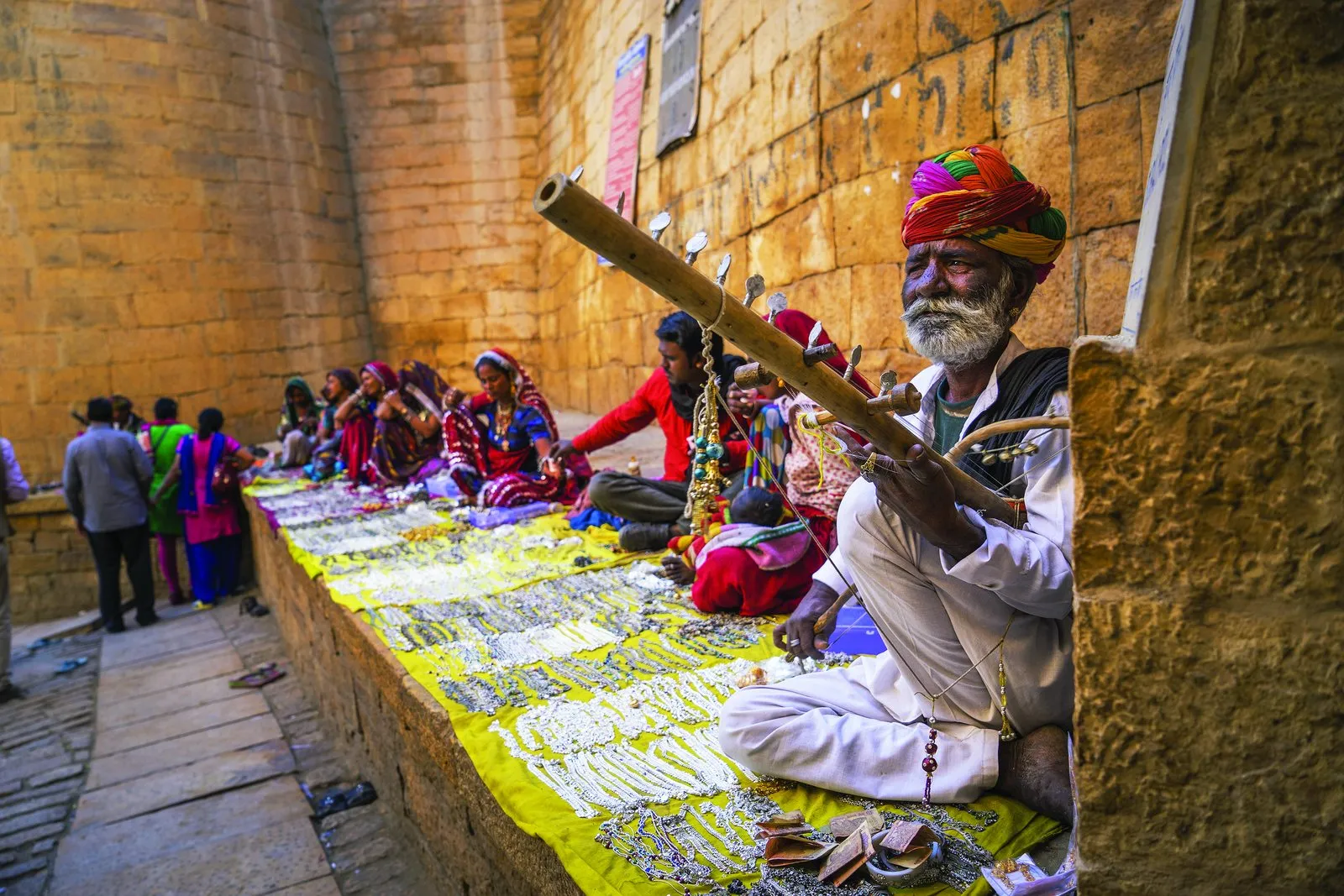
This stringed instrument made of hollow wood or bamboo, attached to a sphere structure is often seen in the hands of men wearing colourful turbans in the state of Rajasthan. It had it’s fair share of popularity in the royal courts of Rajasthan and if we believe the conjectures, some say that Ravanhatha originated in the during the reign of Rama, the Hindu mythological god. Most of those turbaned men belong to Bhopa caste who are perceived to be the worshippers of heroes and deities of folklore. Their talent is while appreciated as a touristy delight but otherwise, it’s players are barely getting by.
Dhodro Banam
This instruments dates back to the 19th century Santhal Indians and is played in the states of Orissa and West Bengal. The Sarinda first played by Sikh guru Arjan Dev, is said to be originated from Dhodro Banam. A look at the inscriptions on this wood carved instrument could tell the story of the ancient Santhal tribe. Over the years, the instrument has transformed itself to suit the hands of its players. It has been robbed of its old grandeur but the Santhals of India are still clutching to it as it holds their history. Not just India but its neighbours Pakistan and Nepal have become the home to this centuries-old musical instrument.
Pepa
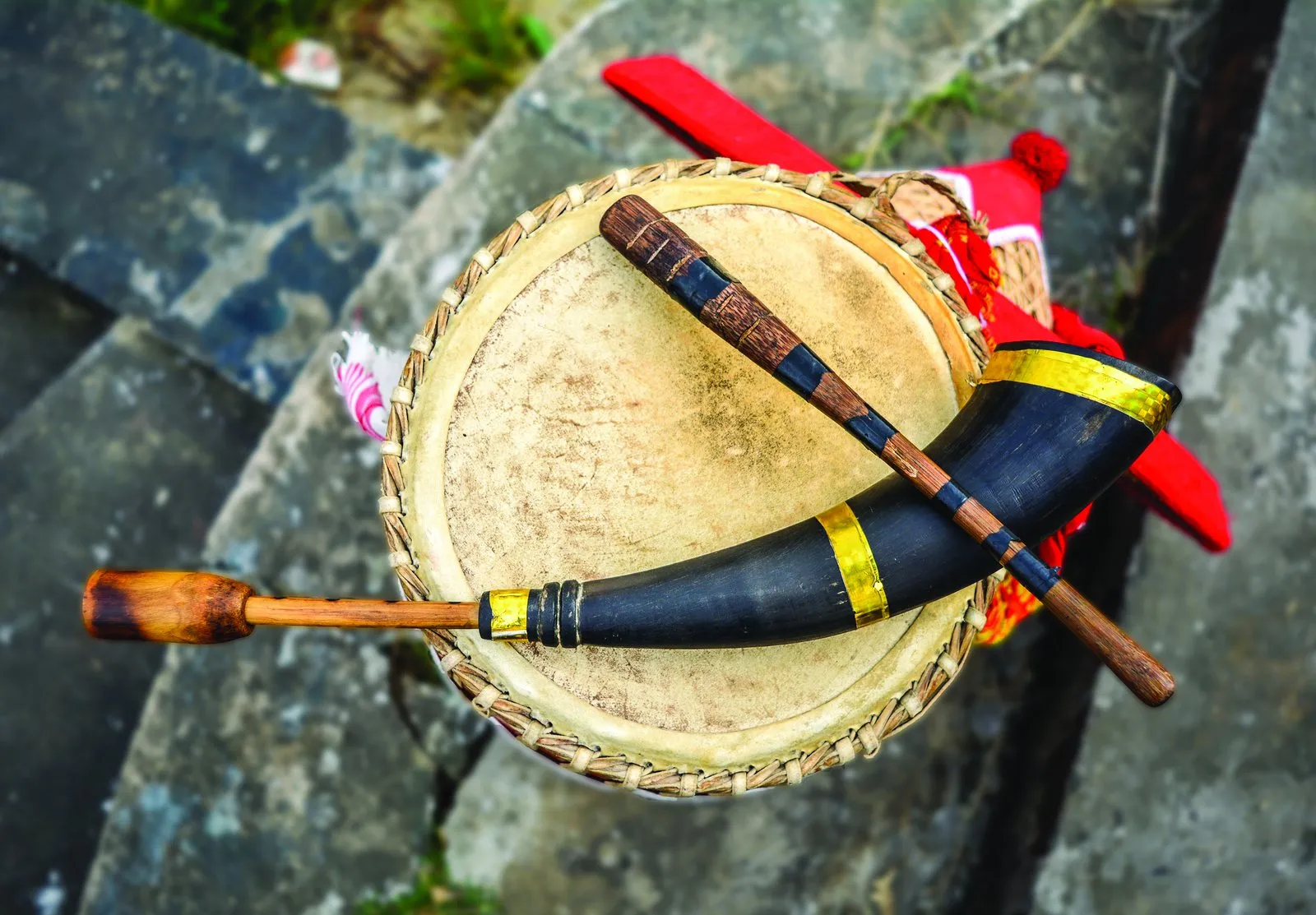
This old-fashioned trumpet has a shared history in many tribes of Assam. In fact, different tribes have different names for Pepa but they all show equal enthusiasm when it is played at the time of Bihu, a series of auspicious festivals celebrated in Assam. It is said that the original Pepas are made out of Buffalo horn but people also make it out of copper and other materials. An instrument like this which is part of the identity of so many tribes in northeastern India has got little attention from mainstream India. Perhaps the reason why people don’t know about Pepa is the same as why we ignore most things about India’s tribal population and northeastern culture.
From the August 2020 issue of FHM India.
Spotted a mistake, or your photo used without permission? Report a correction







 in your inbox