
Gone Are the Days
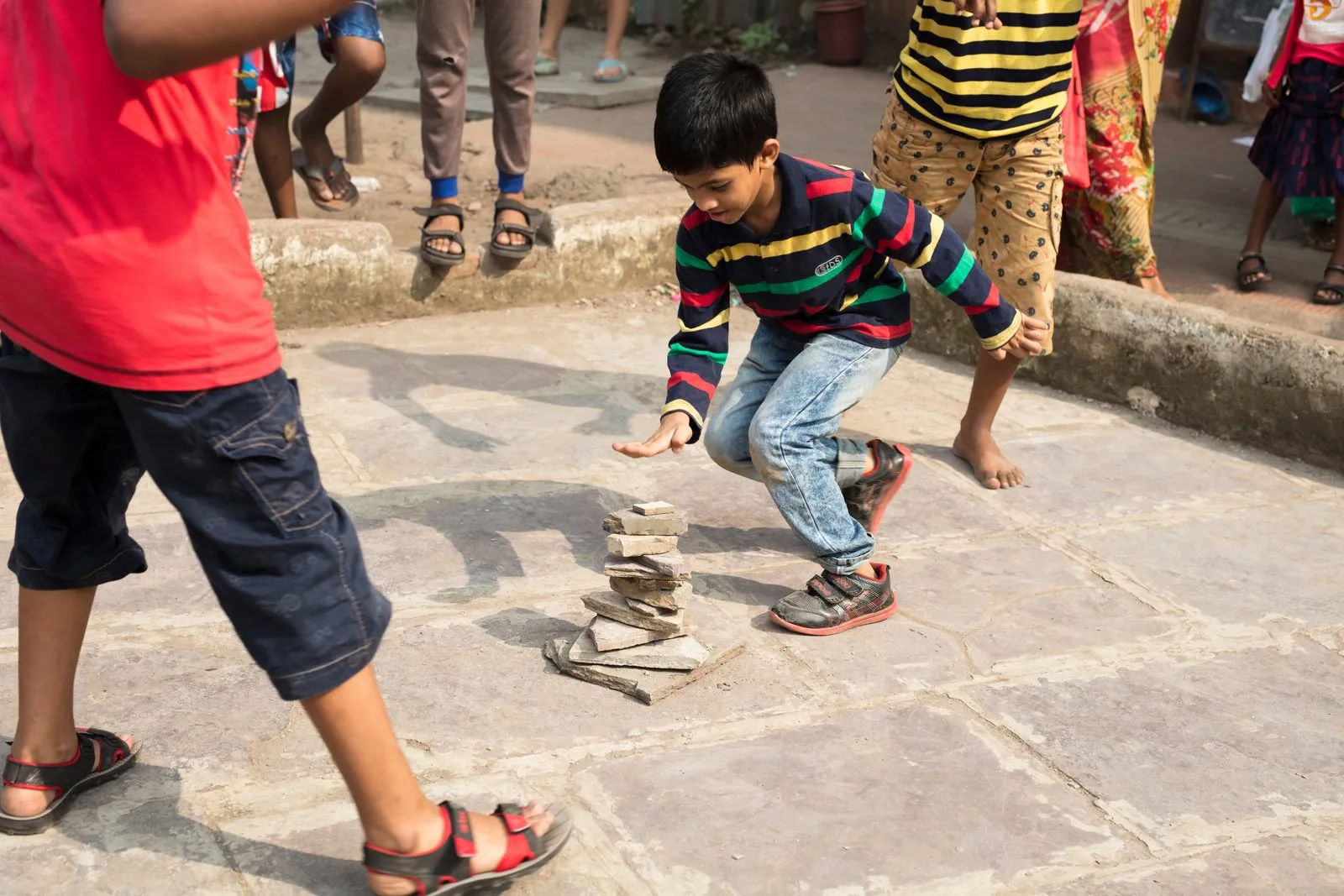



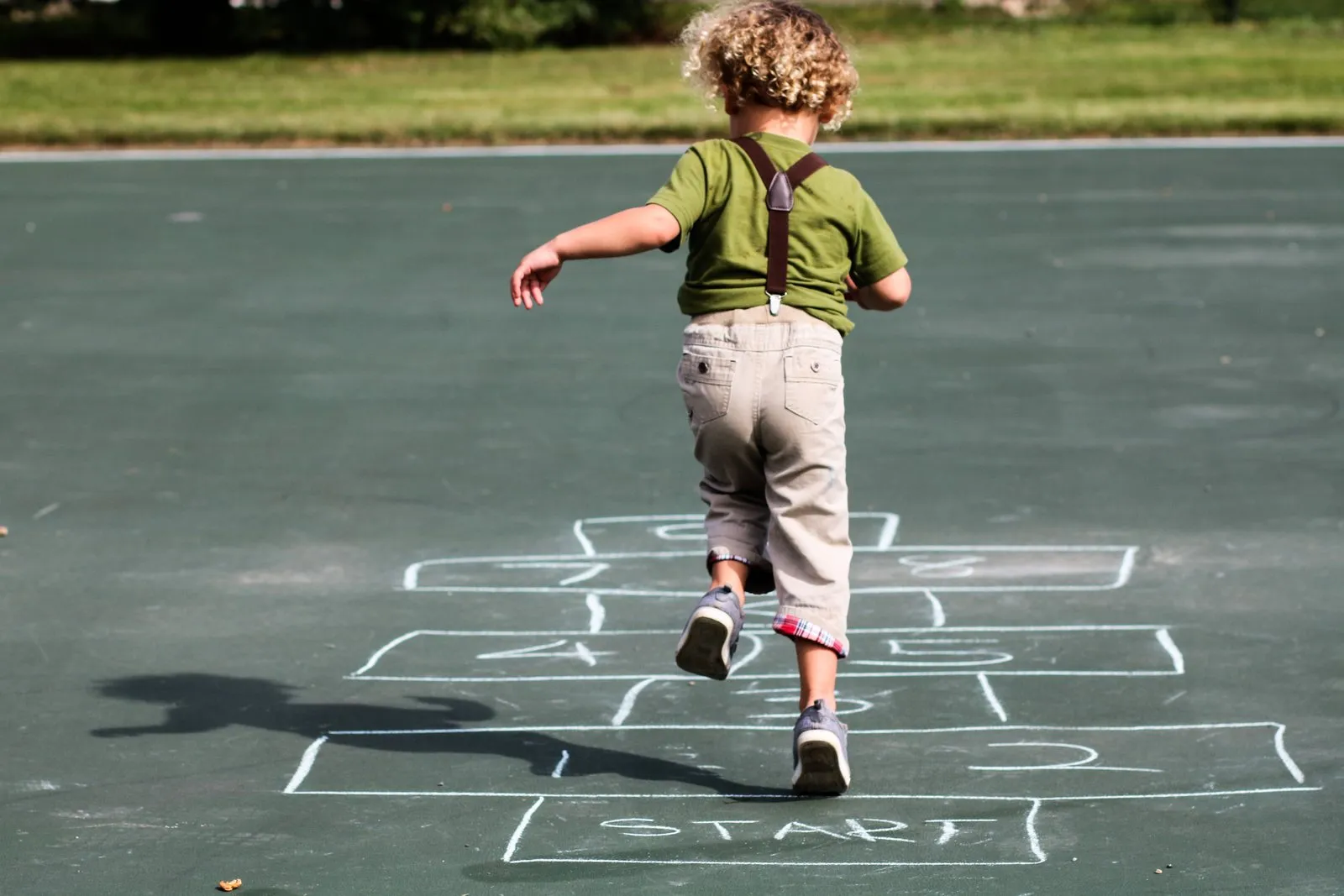
Games for children now-a-days are confined only to the virtual world of video games. Probably because of the rapid infrastructural growth that has left only a few parks left for children to go out or maybe the technological enhancement is to be blamed. In whichever case, names like Lagori, Kancha, Gilli-danda, Kho Kho have become far from recognition to the kids of the future generation.
Playing outdoor games offers a healthy mental and physical status in a growing kid. They help to shape a better personality in kids, keep them in touch with nature and help them develop essential social skills. If you’re in your 40s or 50s, the mere mention of Lagori, Kancha, Gilli-danda, Kho Kho is bound to evoke nostalgia for summer days spent playing outdoors with friends. Meanwhile, even if you’re in your 20s or 30s, your parents and grandparents could tell you a tale or two about the magic of these childhood games.


But will the children of this generation have the same memories? Most likely not, because many of them spend their time playing video games in a virtual world. This addiction has brought the classic Indian games mentioned above, and many others, to the brink of extinction. Therefore, we have brought to you some of the traditional outdoor games which will rejuvenate the lost child within you.

Gilli danda
A very popular sport in rural India, quite similar to baseball and cricket, was played by two teams of any number of players with a small piece of wood reduced and shaped at the edges known as 'gilli' and a long piece of wood known as 'danda'. The 'gilli' is used as a ball and 'danda' is used as a bat to hit the 'gilli'. One of the team bats and hits the 'gilli' as far as possible and the fielding team has to catch the 'gilli' before it drops in the ground. Fortunately, this game is still played in some parts of the country, especially in its extensions and outskirts where there is plenty of space for youngsters to play.

Kho Kho
Physical Education classes meant playing Kho Kho. Probably the first time we realised the seriousness of the gender wars. Unfortunately, by the time we fought and decided which team would sit and which team would run, the period used to get over. Lasting for not more than 37 minutes, Kho Kho was also a popular sport in India. We remember our school days when our teachers used to punish us for getting ourselves untidy because of bunking classes and playing Kho Kho. This game originated in the state of Maharashtra and in the ancient times, this game was played on ‘raths’ or chariots and was known as Rathera. The game consists of two teams, who are required to chase down and tag the players of the opposite team to win the game. The chasing team sends out nine players onto the field, who sit in a straight line with alternate players facing opposite sides. The chasers have to make sure they catch the runners (who enter the field one at a time) before time runs out.

Hide-n-seek
Hide-n-seek, also known as "chuppam chappai" in India, is played by the kids where all the players hide themselves and one of them finds the rest of the team members. The chosen players close their eyes and count till 10, 50 or 100 and then try to catch the hidden players. The players scatter around in the open space so that they do not get caught by the ‘denner’. To give hints for the direction, the players make sounds as well. The game can end in one of several ways. The most common way of ending is the player chosen as the denner locates all players; the player found first is the loser and is chosen to be in the next game. While, the player found last becomes the winner. It helps children to hone their sensory skills. Also, it prepares a child to be alert in unusual circumstances and also helps them develop tactical sense.
Kabaddi
We do have an international tournament for Kabaddi now-a-days but this sport, popularly played in South African countries, Iran and Pakistan, was on the verge of extinction not very lately. It is played between two teams of seven players, one player of each team alternatively run into the opposite teams court and try to tag as many people as possible while chanting "kabaddi-kabaddi". If the player tags the players of the opposite team and touches the midline without losing breath, his team wins points and the tagged players are out of the game. If the players of the opposite team catch the player and succeed in holding him in their court till he loses his breath, the raider gets out and the defending team wins points.
Lagori
This is a team game and is also known as Pithoo, Ezhu Kallu, Saat Patha, Lingocha, Sitoliya, Dabba Kal, etc. There are two teams- the seeker and the hitter. Each team has at least three players. In the center of a small circle, the stones are arranged in ascending order, the smallest being on the top. Both the teams are given three chances to dislodge the stone piles with a softball. One member of a team throws the ball at the stack to knock the stones over. The team then tries to restore the pile of stones while the opposing team ( known as the hitters) throws the ball at them. If the ball touches a person, he is out and his team continues without him.
From the October 2020 issue of FHM India.
Spotted a mistake, or your photo used without permission? Report a correction













 in your inbox