
Is the internet turning us into ghouls?
From real-life murder in Serial to watching people being hurt online: is our appetite for the macabre getting out of hand?



How much time needs to pass before something unpalatable is fair game for entertainment fodder? There may well exist descendants of Jack the Ripper’s butchered victims who find the £12 price of a ticket to tour east London’s most infamous murder haunts a bit of a rum deal. Similar accusations of ghoulishness are levelled at the millions of fans who listen to the real life murder podcast Serial , which came to a climax at the end of last year.
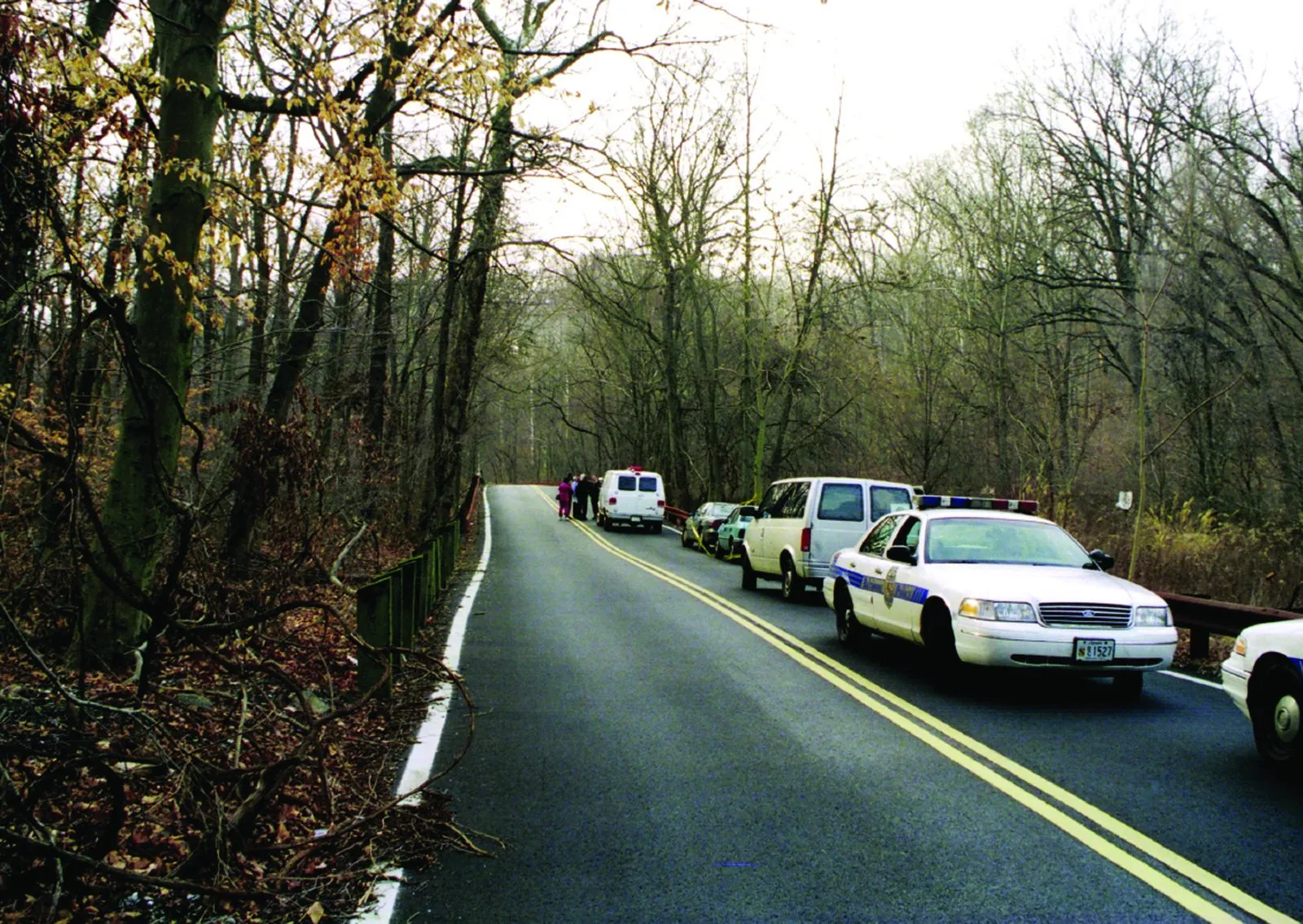
The premise was a simple one: American journalist Sarah Koenig was to investigate the alleged wrongful conviction of Baltimore man Adnan Syed – jailed in 2000 for the murder of High School student Hae Min Lee. Much like a HBO drama or MasterChef, the series was to be broadcast on a week-by-week basis as new facts came to light, peppered with star witness interviews, cliffhanger endings and a direct line to the convicted killer himself – still holed up in a Maryland correctional facility.

The series was 2014’s undoubted sleeper hit – sleuthing its way to number one in the podcast charts worldwide, spawning spin-off podcasts, and earning itself a place in the ‘pop culture hall of fame’ along the way, with all the Twitter hashtags and gaudy BuzzFeed articles [Fig.1] you could shake a selfie stick at. But among the Serialapalooza were, and still are, niggling voices of concern that such widespread synthetic hype and entertainment can be extracted from the murder-by-strangulation of a 17-year-old girl. Which poses the question: is it weird to like entertainment based around very real, very violent crime?
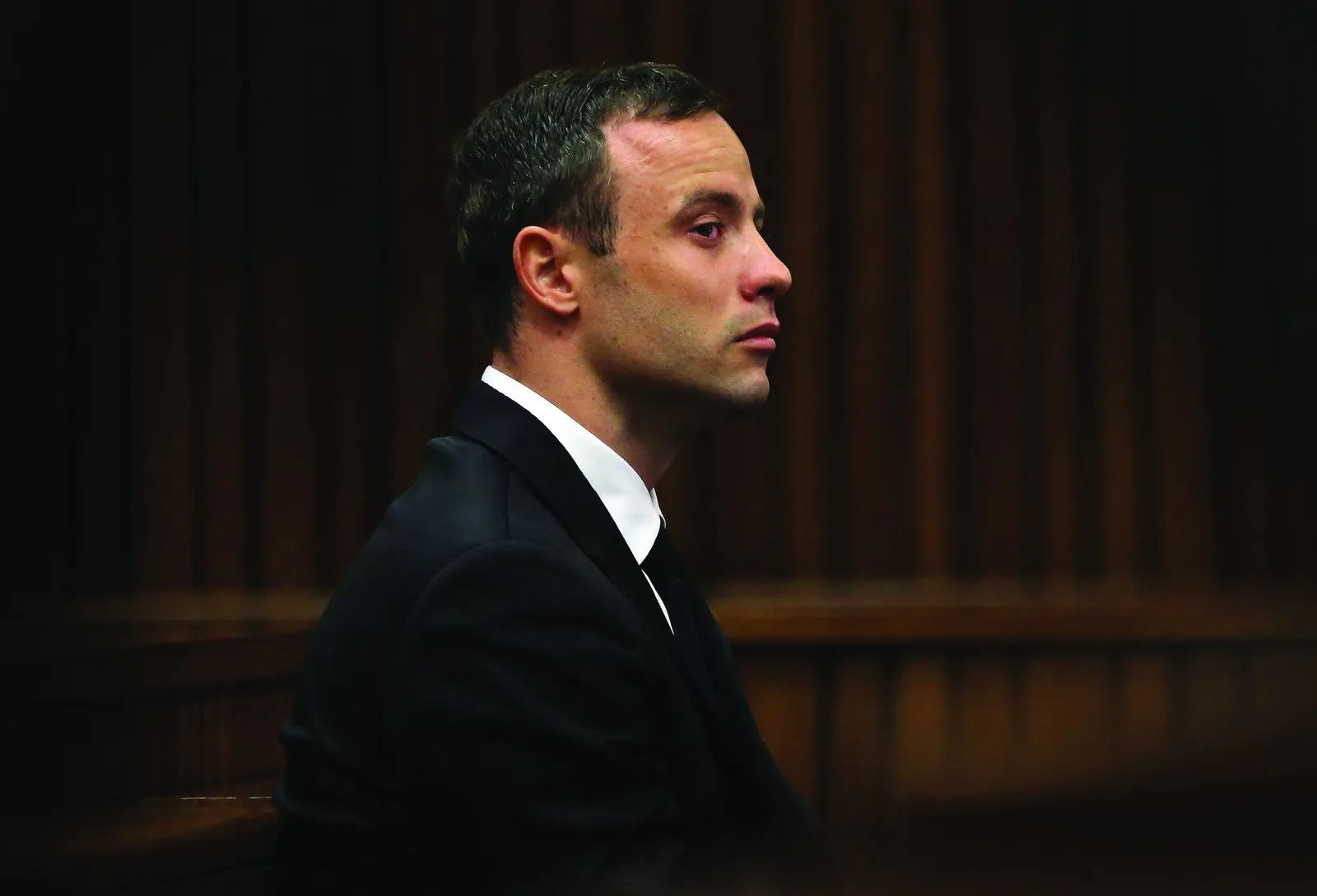
We’re all rubberneckers by nature. It’s why most post-accident queues aren’t caused by blocked roads, but by people slowing down to catch a glimpse of the wreckage. It’s why Mail Online – the world’s most-read online news source – often sees currency in using the most graphic imagery to illustrate horror stories. Why grizzly segments of the Oscar Pistorius trial were repackaged into bitesize Archers -like segments [Fig.2]. Why it’s seemingly OK to post beheading videos on social media, but topless images are still a no-no on Facebook. And it’s also why the likes of The Pain Olympics and World Star Hip Hop (with millions of daily hits) serve to satisfy the online community’s insatiable appetite for videos of men having their faces and testicles pulverised.
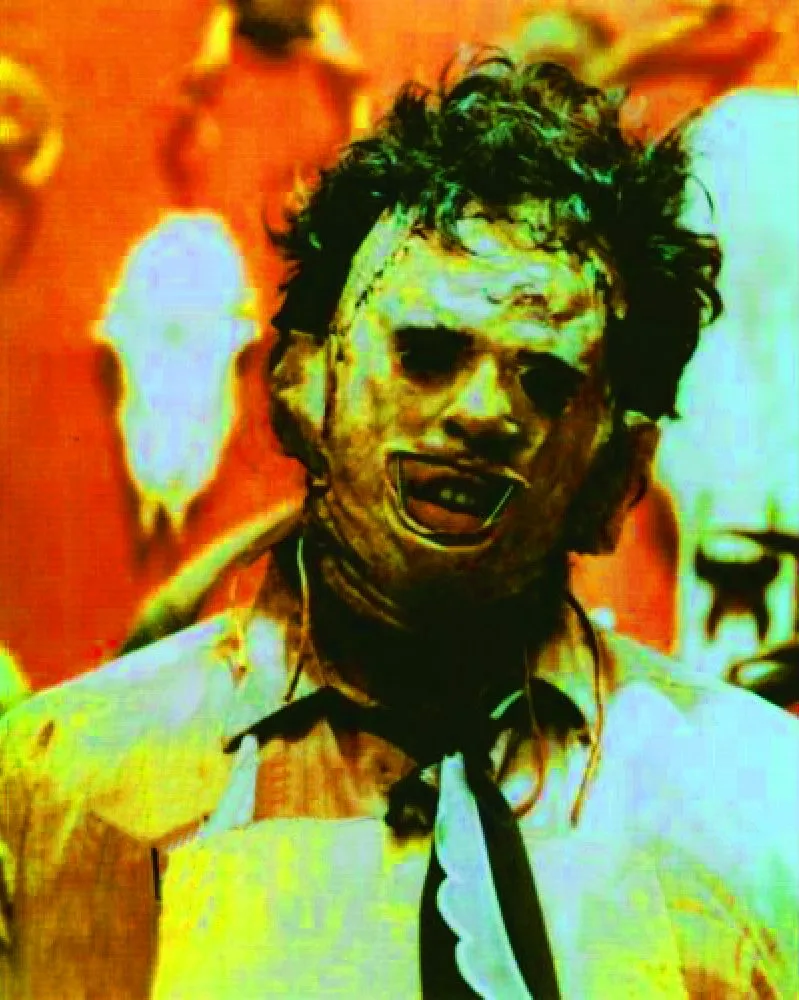
The truth is, we humans possess a morbid fascination with the macabre and we always have done. It’s just so much easier to share in 2015. Serial is no different from the forensic examination of Baltimore’s ’80s murder pandemic in David Simon’s 646-page masterpiece Homicide . Like in Serial , the suspects, victims, witnesses and officials named in Homicide are all real people, and at times their testimonies and personalities are poured over, picked apart and challenged. Both David Simon and Sarah Koeing serve to bring the grim, extraordinary and often misrepresented realities of murder into our very ordinary lives. The reporting is always responsible and respectful of those who decline to be involved. In that vein, it’s no different to, say, a Radio 4 programme on The Yorkshire Ripper or a YouTube documentary on Mexican murder squads. The difference is in how the messenger has changed. Whereas 20 years ago a news reporter might hold back on reporting the graphic details of a terrorist atrocity, we now have instant access through Twitter, to IS videos of beheadings. Likewise, where real-life horror was repackaged for entertainment purposes, it was restricted to grubby magazines and illegal snuff films that would have caused national outrage had their been a whiff of mainstream about them [Fig.3]. Yet this is all stuff that you can gleefully ask Siri to find pronto for you in 2015 (although we wouldn’t recommend doing that in Costa Coffee while researching an article for FHM ). As a result, we’re all a bit more desensitised to the horrors of the world. The murky waters of the internet are making it ever-more enticing for very normal people to immerse themselves in very unfamiliar, often unpleasant territory, and it’s even impacting on our very own judicial process. In 2012, a juror in a trial at Luton Crown Court was jailed for six months after undertaking a spot of online sleuthing into the grizzly details of her case as a result of being dissatisfied with the direction the prosecution was taking. The popularity of podcasts such as Serial will undoubtedly have an effect on criminal justice, just in the way that shows such as CSI have had an unprecedented influence (the so-called ‘CSI effect’) on the expectations of jury members. A ‘Reddit court’ also sprang up in the wake of the 2013 Boston bombings, in which evidence was gathered and exchanged, and a shortlist of ‘suspects’ where publicly identified by the online community [Fig. 4]. All were totally innocent, it transpired. The law may be an ass, but the internet is potentially a total wanker.
I have a startling confession to make about Serial : I think much of it is pretty boring. Forensic. Probing. At times irrelevant. But such is the nature of a criminal investigation, as Sarah Koenig frequently points out. It’s not weird to be interested in a story that potentially unearths a miscarriage of justice, nor is it a crime to occasionally cave into human nature and get over-excited about the results of an autopsy, or whatever. And, who knows, had the Whitechapel of 1888 been as full of tech-savvy sleuths as it is today, they might even have foiled Saucy Jack…
From the March 2015 issue of FHM India.
Spotted a mistake, or your photo used without permission? Report a correction









 in your inbox