
Ultimate Solution Of World Hunger: Edible Bugs
By 2020 your mom may ask, “Beta, aaj dinner mein kya banau? Macchar ya cheenti?” Be prepared: all you need to know about edible caterpillars, grasshoppers, wasps, crickets, dung beetles and ants.



By 2020, your mom will ask you, “Beta, aaj dinner mein kya banau? Macchar ya cheenti?” Be prepared bros because that’s what the world is heading to – eating bugs. FHM readies you with all that you need to know about these edible bugs.
1 Caterpillars
In an FAO study published a decade back, 85% of participants from Central African Republic, 70% from Congo and 91% from Botswana admitted to having consumed caterpillars.

Caterpillars are so high in proteins that they are considered instrumental in providing food security in Central African countries. They have more fat proportion and energy levels than even beef and fish. The insects are rich in potassium, calcium, magnesium, zinc, phosphorus and iron, and studies indicate that if you eat 100 grams of caterpillars every day, your daily need of minerals and vitamins will be well taken care of. Every year, France and Belgium import 500 and 300 kilos respectively of the dried caterpillar species from the Democratic Republic of Congo.

Nutritional value (per 100 gms): Protein 53 gms; calories 430 kilocalories.
2 Grasshoppers
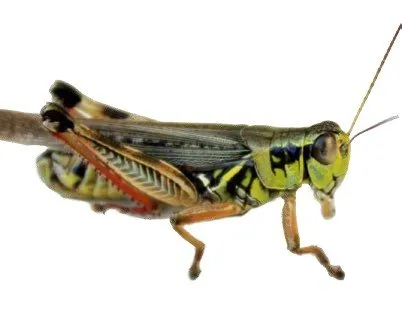
Infamous for destroying crops, grasshoppers are considered a delicacy in a lot of countries. They are an excellent source of minerals, fatty acids and protein, and are consumed in dried, smoked or fried form. However, these insects must be cooked properly because they carry a lot of parasites like tapeworm, which can only be killed after properly cooking them. They are known to be low on fat, and people who have eaten them say that grasshoppers, also known as locusts, taste similar to shrimp, crab and lobster. Small grasshoppers offer 20 percent protein and just six percent fat compared to lean ground beef’s 24 percent protein and 18 percent fat. Even John The Baptist ate locusts with honey.
Nutritional value: 370 calories per 100 gms; high in protein. Eaten in: African, Middle Eastern and Asian countries.
How grasshoppers are eaten:
- Southern Mexico: Chapulines – a grasshopper variety that’s high in protein, minerals and vitamins – are consumed here. Residents trap these insects during the evening using lamps or other forms of light and nets, and then dip them in water for a day. Then they are either eaten raw, boiled or sundried. Some people also flavour them with lime, spices, garlic and onions or make a soup out of them.
- China: In Beijing’s popular Donghuamen Night Market, grasshoppers are served on skewers.
- Middle East: Grasshoppers are boiled in hot water, sundried and then eaten as snacks.
- Australia: Australians who have been ravaged by locusts numerous times have been encouraged to eat the bug that destroys their farms. Two government workers have even published a book of 20 locust recipes called Cooking with Sky Prawns.
3 Wasps
There are almost 10,000 varieties of wasp in the world. Wasps are eaten in both adult and larval stages. Boiled, sautéed, roasted and fried, they taste somewhat buttery and earthy. Emperor Hirohito of Japan favoured boiled wasps with rice.
Nutritional value: Vitamin B2, linolenic acid, lauric acid, carbs. Eaten in: Japan.
4 Crickets
Just like sautéed caterpillars, stir-fried crickets are extremely popular in Taiwan. Scientists have been reiterating the need to include crickets in our daily diet for a long time because of their nutritional content. In Cambodia and southern parts of Vietnam, cricket is well known as a delicacy. It is prepared by deep-frying the soaked and cleaned insect in oil.
Nutritional value: 28 grams of protein per 100 grams; high in iron, zinc and calcium; 121 calories per 100 gms. Eaten in: Mexico, Cambodia, Taiwan and Southern Vietnam.
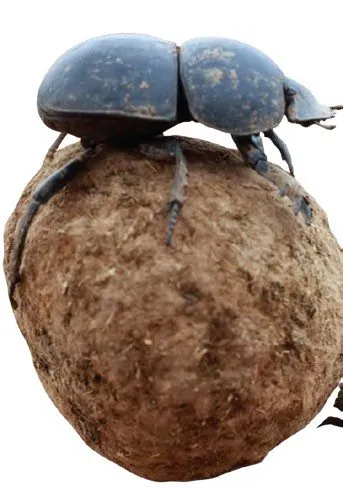
5 Dung beetles
People in rural areas of Laos and Thailand are known to stock piles of dung so that they can get hold of these smelly, but tasty insects and make their most popular snack.

How to eat a dung beetle: Clean them with water. Soak overnight in water. Trim their wings and legs. Toss the rest with a little oil and herbs of your choice till they turn crispy.
6 Ants
Some rare and seasonal ant varieties are sold for as much as ₹1000 per kilo. Though ants and their larvae are consumed all over the world, in India, Burma and Thailand, a paste of the green weaver ant is consumed in abundance. In a Thai dish called Yam Khai Mot Daeng, ant larvae and eggs are the main ingredients. Because ants are low on fat, they are considered a good option for people who are particular about their waist size. Large-bottomed ants are toasted alive and eaten in some parts of Mexico.
Nutritional value: High in protein, zero fat, 2 calories per ant. Eaten in: India, Burma, Thailand, Mexico and Colombia.
Reasons to eat bugs
- High on nutrition: Most of the edible insects are nutritious.
- Plenty to eat: Insects are available in abundance and eating them won’t disturb the environment’s sustainability.
- Affordable farming: Bug farming doesn’t need a lot of water, nor do bugs cost a bomb to transport. Bug farming is way cheaper than cattle farming because to produce a kilo of beef, you will have to feed the animal 10 kilos of food, but with the same investment you can produce 40 kilos of crickets.
How to spot an edible insect: Avoid red, orange and yellow coloured insects, and eat the black, green or brown ones. Stay away from brightly coloured bugs. Avoid bugs that have a strong odour.
Entomophagy: The act of eating insects. Though the term was coined for any living form that consumes insects, it primarily refers to humans.
The numbers game
- 1,400 species of insects are fit to be consumed by humans.
- $1 million was recently invested by the Dutch government to study insect farming and prepare legislation about it.
- 1,700 species of bugs are eaten in 113 countries.
- 2008 is the year when the Food and Agriculture Organisation held a conference to discuss how eating insects can help in sustainable development.
- £2.65m has been invested by the European Union to study the nutritional value of insects.
- 2020 is the year when insects will be available in the retail markets.
- 15,000 household farmers already raise locusts in Thailand, according to The Guardian.
- 4,000 kilos of edible insects are available for every human on this planet.
From the May 2013 issue of FHM India.
Spotted a mistake, or your photo used without permission? Report a correction













 in your inbox