
What's Your Score? Decoding Your CIBIL Score



In the last couple of years, CIBIL score has become a living room discussion, even beyond that. An urban legend of sorts. We unshroud the mystery for you.
In last few years, many stories have been doing rounds, almost making CIBIL score the last and final word in getting loans for consumer durables and credit cards. There is one story in partucular. Two people — a wealthy businessman and a salaried person with meager means — waited to be a called by a bank manager. Both wanted to draw loans from the bank. Much to the surprise and chagrin of the businessman with stacks of money, the salaried person was called first and his loan was approved in no time. The magic was of CIBIL score. Before we discuss its intrigue factor, let’s first understand what’s a CIBIL score.

What’s a CIBIL score?
In simple words, CIBIL score is a three digit number ranging from 300 to 900 generated by Credit Information Bureau (India) Ltd to reflect the credit worthiness of an individual. CIBIL is the oldest Credit Information Company that provides credit related services to its members nationwide. The members of CIBIL includes several leading public and private sector banks, financial institutions, housing finance and NBFCs. This score is based on the information of an individual gathered from its members.
The score is calculated using a complex statistical mode that identifies and analyses multiple variables of the records/reports on loans and credit cards taken by an individual in past from banks and other financial institutions. The mode of calculation used by CIBIL to calculate score is its proprietary business secret and hence not available to general public.
CIBIL works on a reciprocity principle, i.e CIBIL members can access the record of CIBIL only if the members (Banks and other Financial Institutions) provide CIBIL with record of their borrowers. In this manner, all loans and credit card information of an individual gets reported to CIBIL by his existing lenders and these form the basis of their report used by CIBIL to calculate the score.
Improve your CIBIL score
CIBIL score is influenced by multiple factors such as the repayment history of loans and credit cards, number of outstanding loans and credit cards, card utilisation ratio.
Contrary to the popular belief, CIBIL score can be improved.
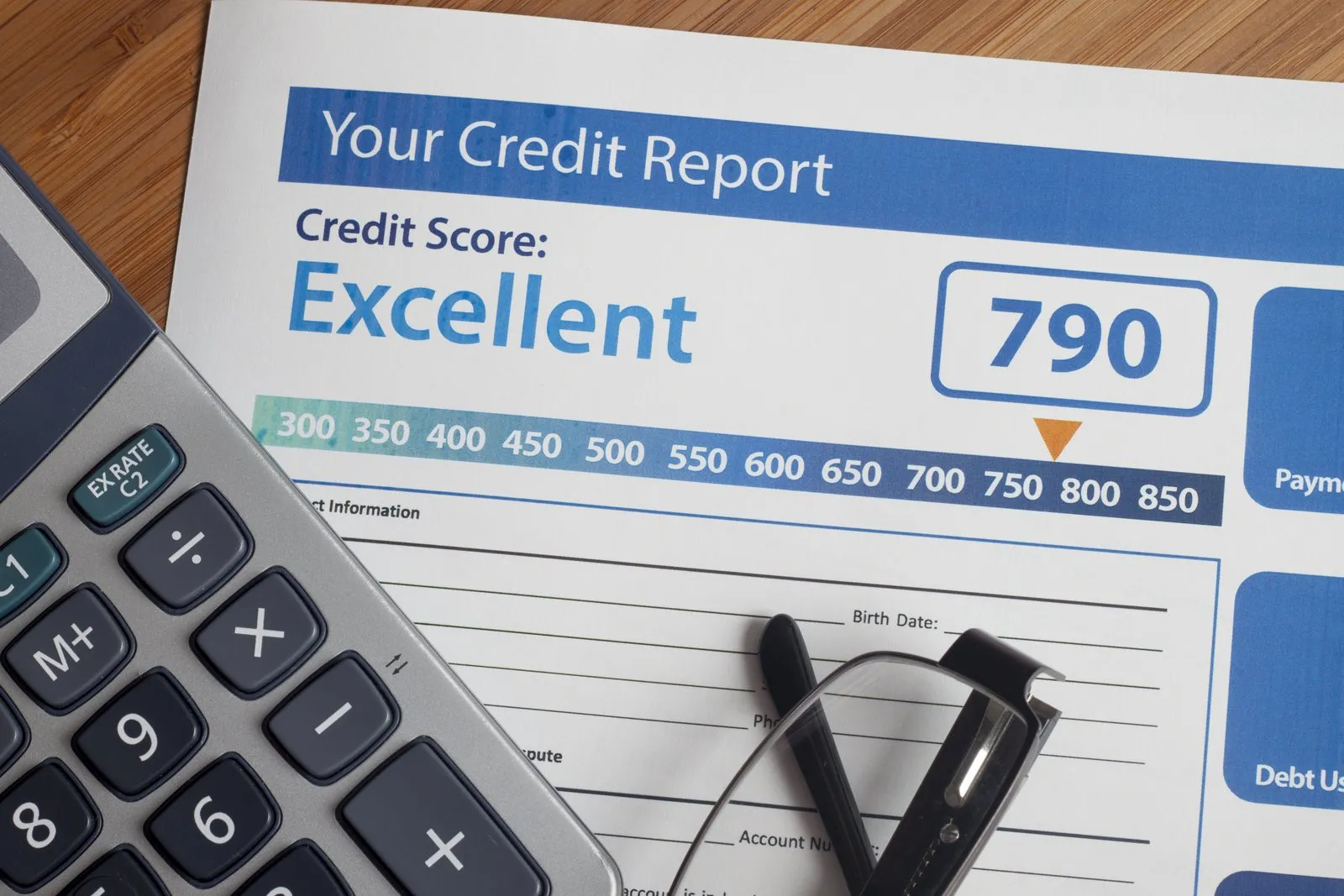
A change in any of the factors influencing score brings change in CIBIL score. The little noticed factors such as late payment and maxing out credit cards as well as noticeable factors such as new loans also change score.
Hence, timely payment of loan EMI and credit card bills, restricting application for multiple loans and credit card simultaneously, keeping credit card utilisation ratio on the lower side (say 30-40 per cent mark) across all credit cards and lowering down unsecured loans and credit cards may improve the CIBIL score. Most of these factors are the result of lifestyle inflation that can be controlled through careful financial planning.
Why maintain a good score?
CIBIL score is one of the tools that help lenders including banks and NBFCs to determine the credit worthiness of an individual, thereby judging the categories of borrowers whether they are low risk borrowers, who have little chance of default or high risk borrowers with high risk of default. Depending upon this analysis, the loan approval, interest rate, loan quantum, credit limit of new credit card and other similar variables are determined by the lenders. Good CIBIL score has a positive impact on all these variables. The score nearer to 900 mark is considered favourable, positively affecting the decision of lenders. Generally score of 750+ is considered as favourable.
Loan or no loan?
CIBIL score does not determine the kind of loan one can avail. It depends on the purpose for which financial assistance is needed. Lenders do use CIBIL score in their credit decisions on all types of credit facilities whether it is consumer or commercial. CIBIL basically constitutes of two segments: Consumer Bureau and Commercial Bureau.
Consumer bureau maintains records of individuals collected from financial institutions whereas commercial bureau maintains credit information of non- individuals such as proprietorship and partnership firms or companies.

For lending decisions, lenders use CIBIL score of individuals for individual loaning whereas for firms they use CIBIL score of firms/companies as well as the individual score of proprietor, partners, directors.
So, whatever be your CIBIL score, you can definitely improve it and get a loan.
About the writer
Keshari Kishore Singh, an independent auditing and micro-financing consultant, is a seasoned banker with an experience of over three decades of working with Allahabad Bank.
Busting myths about CIBIL score
There are so many myths doing rounds. Sample these.
Checking CIBIL score will have negative impact on it.
It is not so in all cases. In case of soft enquiry where an individual check his score to ascertain his own present financial status without applying for credit facility, it will have no impact on score. However, when CIBIL score is checked after applying loan proposals to a number of banks (hard enquiry) then it certainly give a negative impact on CIBIL score branding the person concerned as credit hungry and needs credit desperately.
CIBIL is the only such bureau.
It is not so. There are others too such as Equifax, Experian and CRIF High mark. CIBIL is the oldest bureau having unique system, but others are also operating in the market with RBI approval and have their own metrology.
No credit means good CIBIL score
It is not true. A fresher proponent has no previous track record to satisfy the lender about their credibility.
It is impossible to improve the score.
It is not so. CIBIL score may be improved with good planning and financial discipline. Adhere to loan repayment schedule and if delayed, repayment should be resumed to improve the score.
Spotted a mistake, or your photo used without permission? Report a correction













 in your inbox