
Fast and Sustainable?
How can a brand be everything a fast fashion clothing brand seems to be and still promote sustainability. Read on to unravel all about Uniqlo, the Japanese clothing brand.


Uniqlo’s stint in apparel world is more than a decade old and for some reason, its approach still seems far contemporary than most brands of the new age. At this point, the brand has over 2000 stores around the world with four of them in India. When a brand grows with this trajectory there can only be one reason behind it-- either they are doing something right or something very wrong. Let’s unfold.
Third largest Fast Fashion brand
In 2020, Uniqlo’s approximate worth is about 12.88 billion and it holds the place of third-largest fast-fashion apparel brand in the world. It is bigger than the GAP and almost as big as the brands ZARA and H&M. Uniqlo even after being the competitors of fast fashion clothing brands has always denied being a fast-fashion brand. They even had an explanation for the name of its parent company, Fast Retailing Co. Ltd. Figuring out if a brand is fast-fashion or not is easier than the big brands make it seem like. If a brand sells “ affordable” clothes and outsources manufacturing to countries like China, Bangladesh, Indonesia where they get cheap labour-- it is a fast-fashion clothing brand. It is no secret that Uniqlo gets its clothes manufactured in these countries. Reportedly, the labour workers in Uniqlo factories struggle with wage issues and working hours.

However, the Japanese brand has made its effort in minimising the damage. Uniqlo started selling ‘LifeWear’, clothing that can be worn life long. They also collaborated with Wang Chen Tsa-Hsia’s Shiatzy Chen for a new line of capsule clothing in 2010. It is impressive when big brands take up an initiative to make clothes that will not have to be replaced from stores every six months. As a matter of fact, Uniqlo CEO, Tadashi Yanai, has also claimed several times that they use sustainable fabric. The trouble is, such claims have little proof to them. Does Uniqlo plan to meet the goals of the Paris Agreement? Making strong policies is a good start but still just a start and nothing without implementation.

Ready-to-wear for all
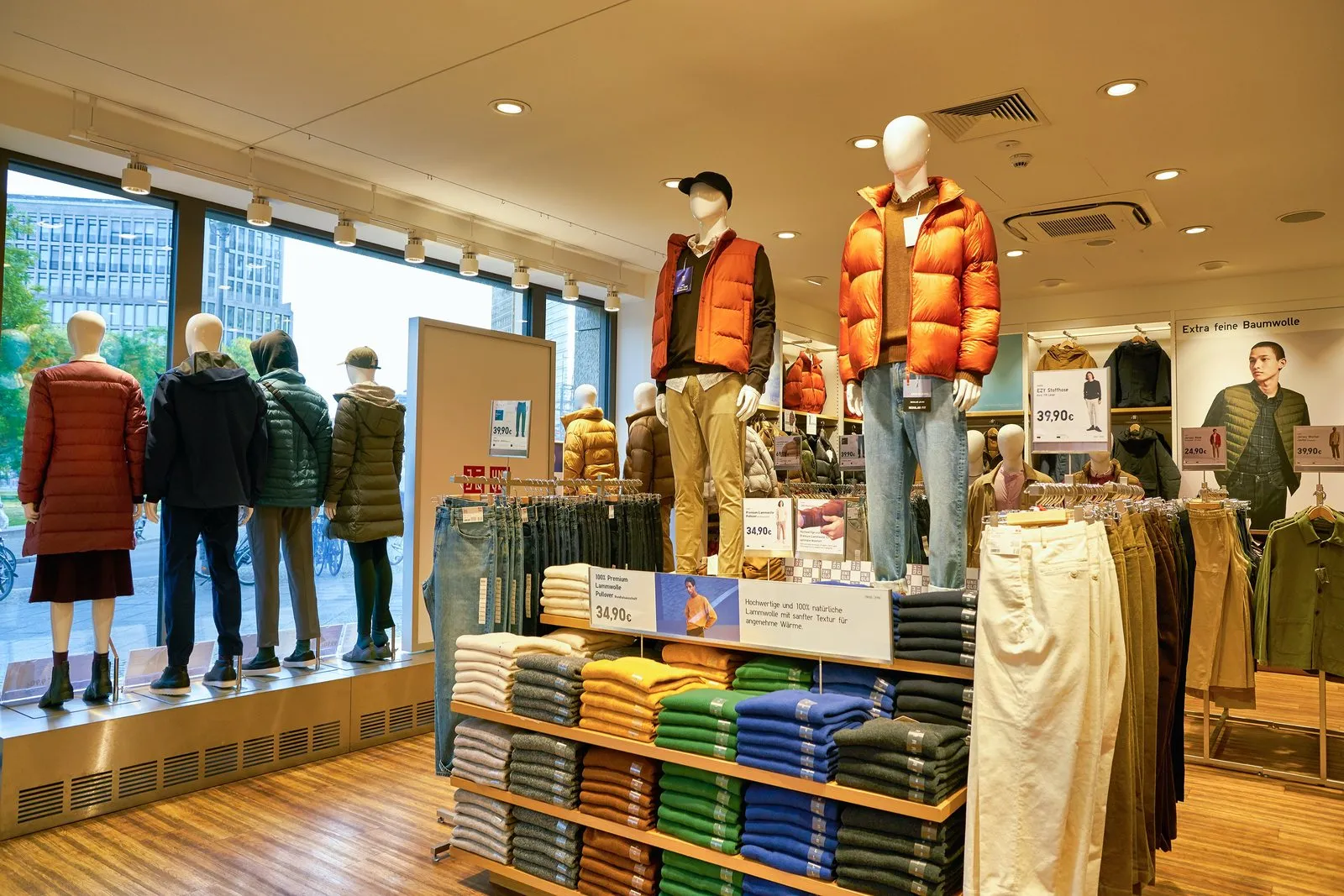
The Japanese brand is really aware of what people want. Technically, everything for every day. By looking at Uniqlo’s men’s clothing collection, one can find every streetwear essential from bottom wear to outerwear and loungewear. Like H&M and ZARA, Uniqlo also tries to offer individuality camouflaged in beige tones of regular. Credit where credit’s due, Uniqlo doesn’t chase trends. Maybe that’s a good step and a precedent for so many brands to follow.
From the October 2020 issue of FHM India.
Spotted a mistake, or your photo used without permission? Report a correction


 in your inbox